Category: News

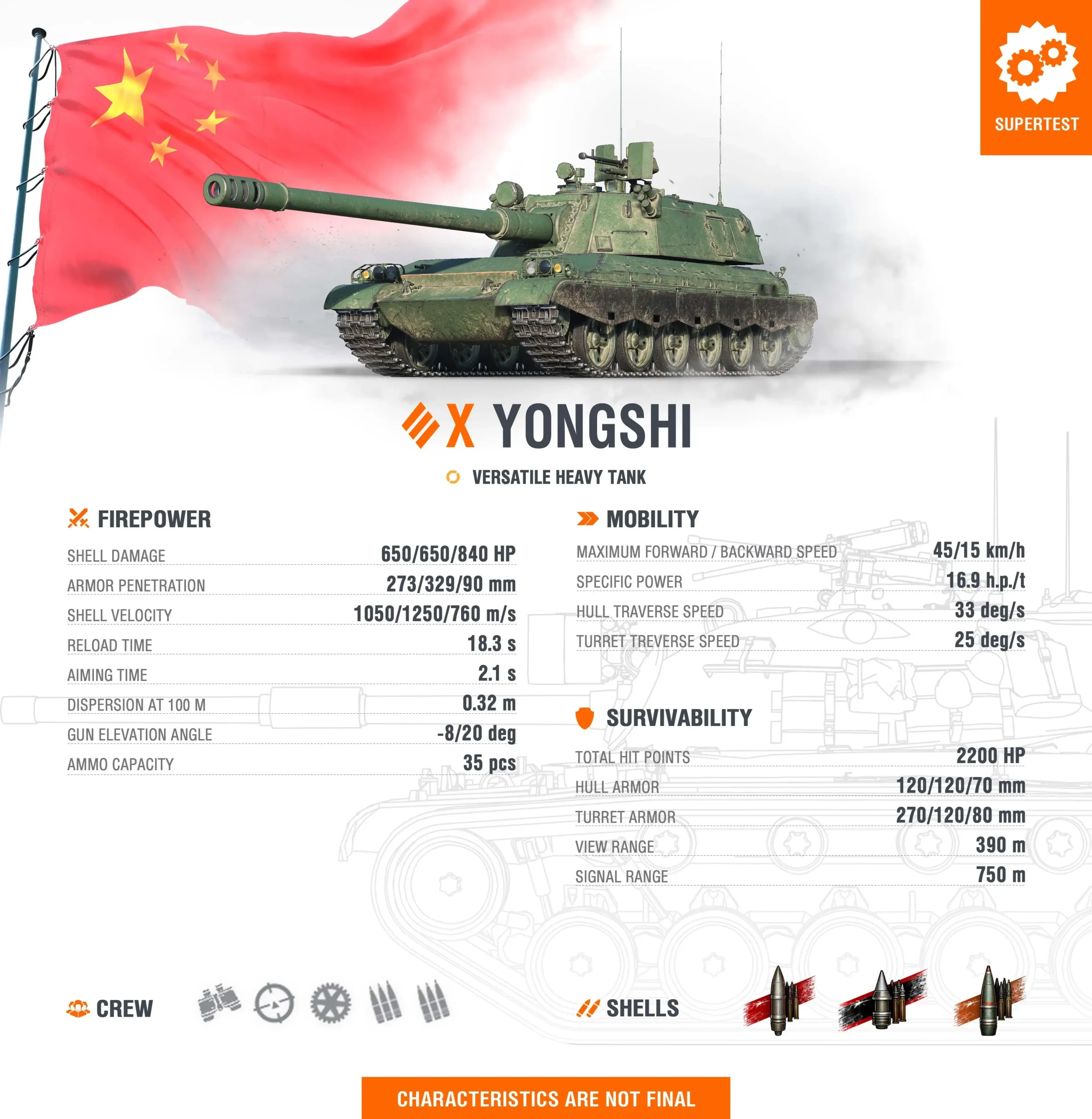
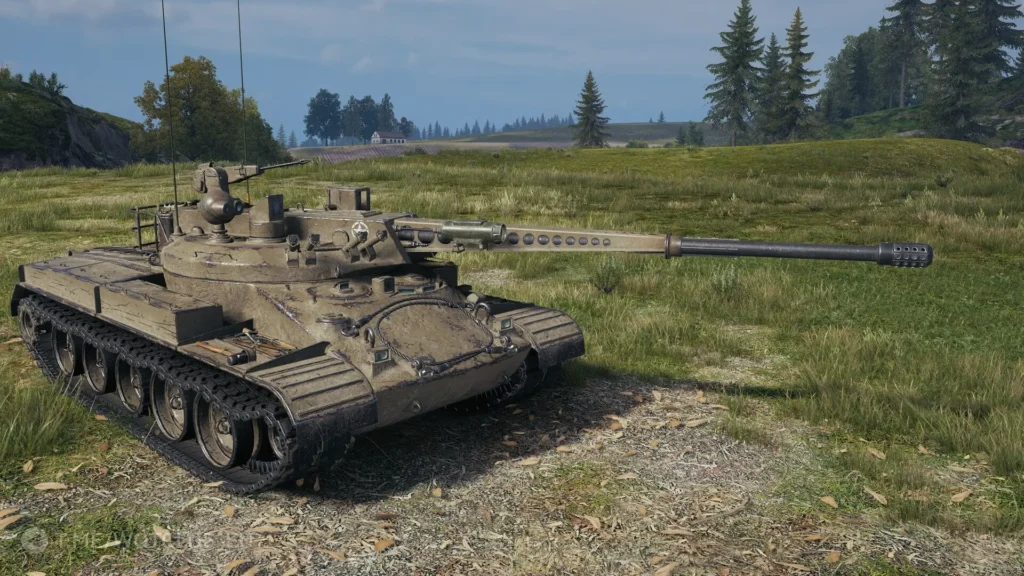
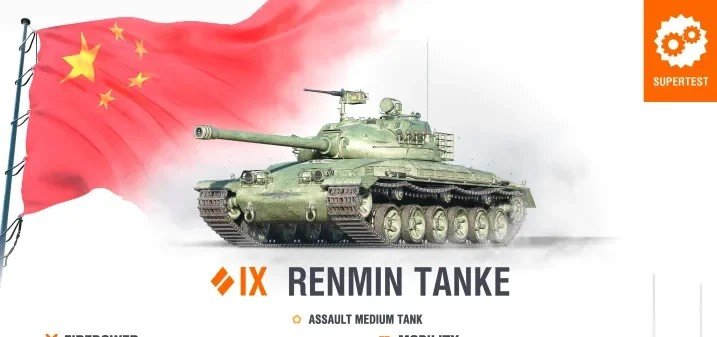
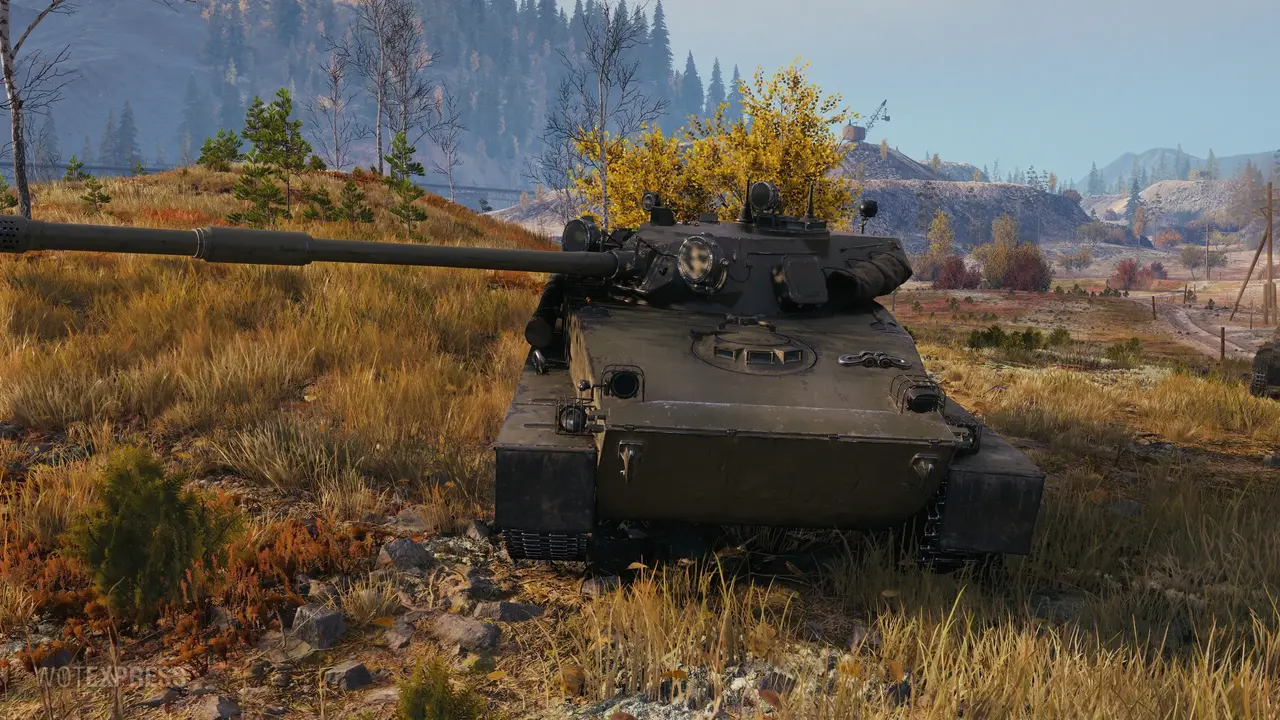
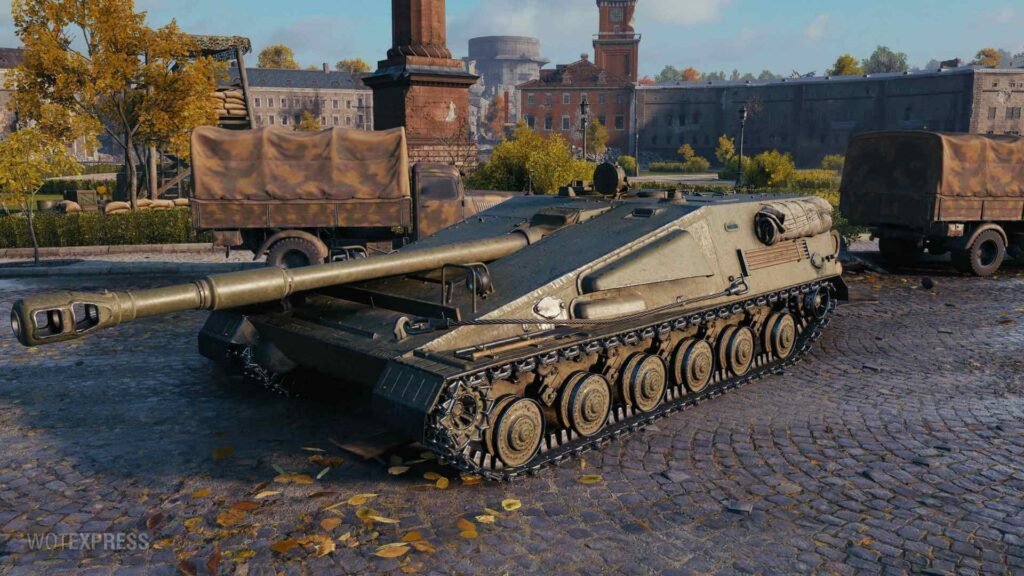
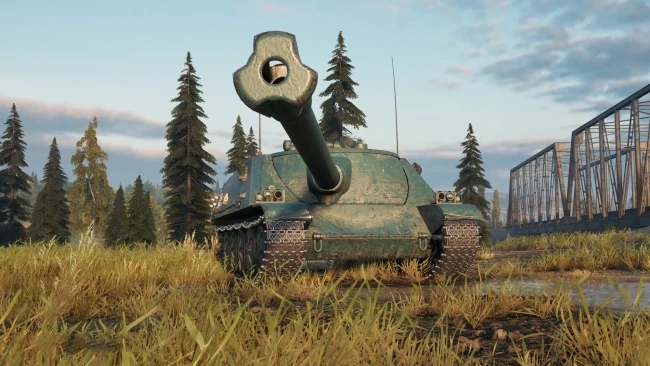
  • Buryan Tank Preview – World of Tanks Supertest

    Buryan Tank Preview – World of Tanks Supertest

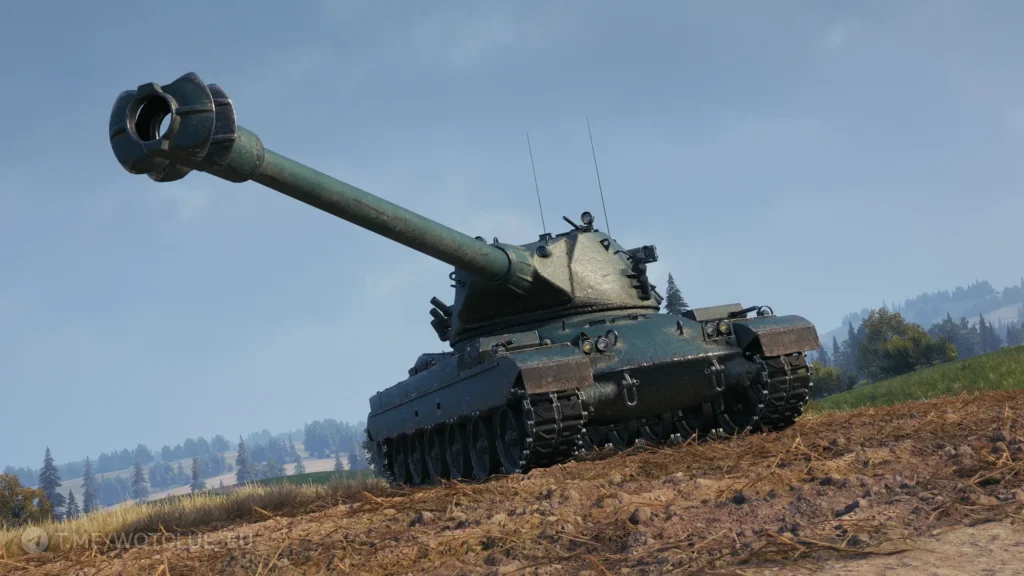
    The World of Tanks Supertest has welcomed an impressive addition to the French heavy tank lineup: the Terrifiant, a Tier IX premium heavy tank that continues the design philosophy of France’s “alternative” heavy branch.

    buryan statistics

    A Rare Firepower Combination

    The Buryan’s defining characteristic is its exceptional firepower package that combines two attributes rarely seen together in Soviet heavy tanks at Tier IX:

    Impressive Alpha Damage: The Buryan wields a gun capable of delivering 490 HP of damage per shot. This alpha damage is notably higher than most Tier IX heavy tanks, placing it in an elite category of vehicles that can trade shots with devastating efficiency.

    High Damage Per Minute: What makes the Buryan truly special isn’t just the impressive single-shot damage—it’s the combination of that alpha with high DPM. Most tanks that hit for 490 HP sacrifice rate of fire, but the Buryan maintains strong sustained damage output alongside its powerful punch.

    Exceptional in Duels: This rare combination of high alpha and high DPM makes the Buryan exceptionally strong in one-on-one confrontations. In a duel scenario, the tank can deliver crushing blows while maintaining pressure through consistent damage output, forcing opponents into losing trades regardless of their approach.

    The firepower package creates a fascinating dynamic: commanders get the satisfaction of massive single-shot damage while maintaining the ability to continuously pressure opponents without long reload times diminishing their battlefield presence.

    Gun Handling Characteristics

    The Buryan’s impressive firepower comes with notable trade-offs in gun handling:

    Mediocre Gun Handling: The gun handling characteristics are described as mediocre, suggesting less-than-stellar accuracy, longer aim times, or increased dispersion values compared to more refined weapons systems. This is the price for the devastating firepower.

    Limited Gun Depression: With only -6 degrees of gun depression, the Buryan falls short of the comfortable -7 to -8 degrees that enable effective hull-down gameplay. This limitation significantly restricts positioning options and makes the tank unsuitable for ridge-fighting tactics.

    Close-Range Focus: These gun handling limitations naturally push the Buryan toward close-range engagements where the poor gun depression matters less and where mediocre accuracy becomes less punishing. This design philosophy reinforces the tank’s role as a brawler rather than a support heavy.

    The gun handling trade-offs are deliberate design choices that focus the Buryan’s effectiveness into specific tactical situations rather than trying to create a jack-of-all-trades vehicle.

    Armor Profile and Survivability

    The Buryan brings solid defensive capabilities focused around its turret:

    Sturdy Turret: The turret features 250mm of frontal armor, providing robust protection that can reliably block shots from same-tier opponents when properly positioned. This solid turret armor is crucial for the Buryan’s close-range brawling role.

    Face-Hugging Capability: The combination of strong turret armor and limited gun depression actually works together in close-range situations. When fighting at point-blank range, the poor gun depression becomes less relevant while the sturdy turret becomes increasingly difficult for opponents to penetrate.

    HP Trading Advantage: The armor profile supports the Buryan’s role as an HP trading specialist. You can afford to take return fire because your turret can bounce shots, and when penetrations do occur, you’re dealing 490 HP while potentially receiving less.

    The armor focuses defensive strength where it matters most for the Buryan’s intended playstyle—enabling aggressive close-range positioning where the turret becomes the primary defense.

    Mobility Characteristics

    The Buryan’s mobility profile matches its close-range brawling role:

    Limited Top Speed: With a maximum speed of 36 km/h, the Buryan is not winning any races. This relatively modest top speed for a Tier IX heavy tank limits its strategic mobility and map presence.

    Adequate for Repositioning: While not fast, the mobility is described as adequate for short repositioning. The Buryan can move between nearby positions and adjust to local tactical situations without feeling completely immobile.

    No Flanking Potential: The 36 km/h top speed definitively limits flanking potential. This isn’t a tank for racing around the map seeking opportunities—it’s a vehicle for holding key positions and dominating local engagements.
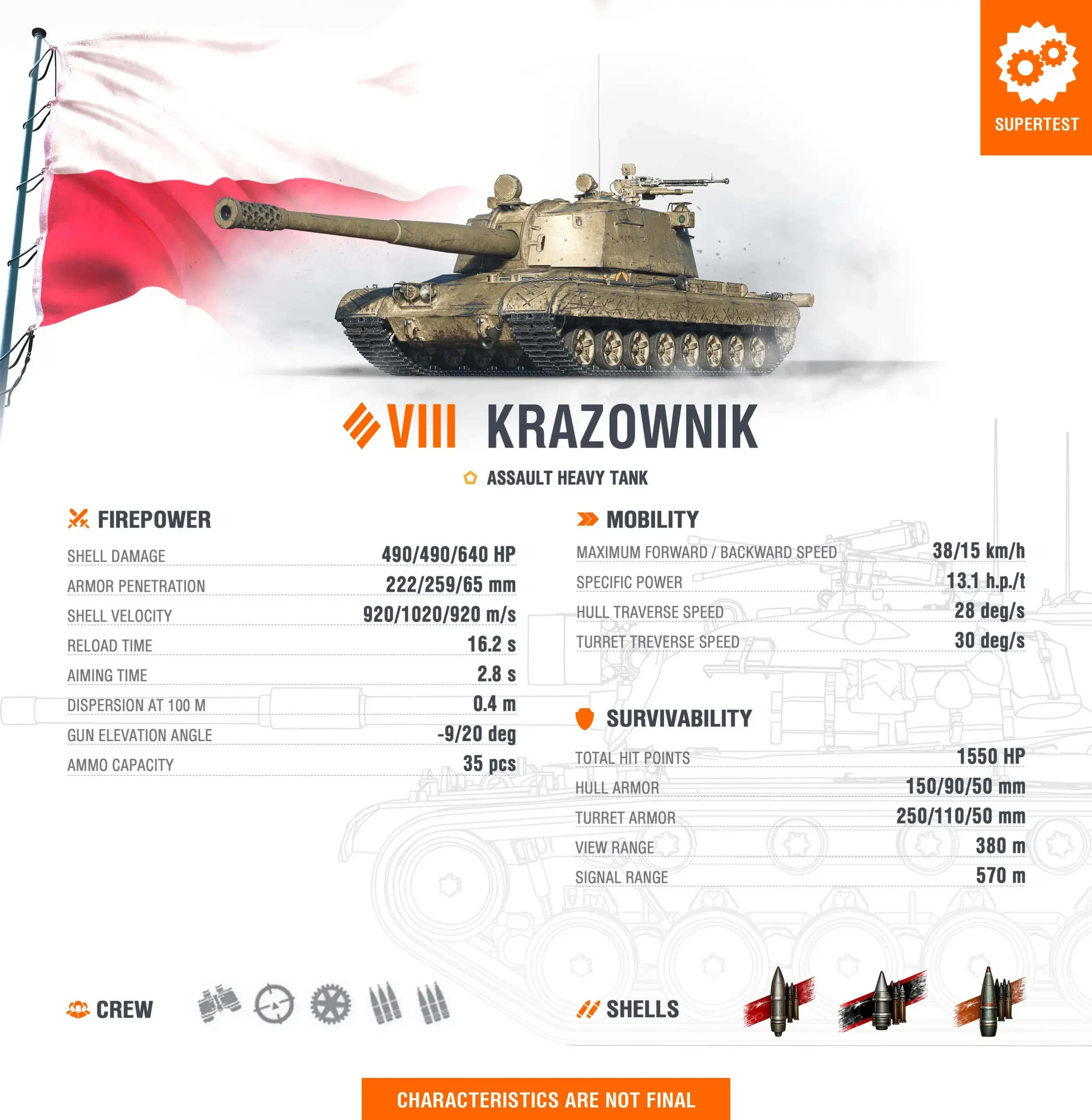
    Frontline Fighter: The mobility package reinforces the Buryan’s identity as a frontline fighter that advances with the team, holds captured territory, and dominates close-range confrontations rather than seeking elaborate maneuvers.

    This mobility profile is honest about what the Buryan is and isn’t. You won’t be executing dynamic flanking maneuvers, but you will have sufficient mobility to stay relevant in evolving battle situations.

    Tactical Considerations

    The Buryan’s characteristics create clear tactical guidelines for effective play:

    Close-Range Dominance: The combination of high alpha, high DPM, and sturdy turret armor makes the Buryan exceptional in close-quarters combat. Getting within brawling range transforms the tank’s weaknesses into strengths.

    HP Trading Specialist: Few tanks can match the Buryan in sustained HP trading situations. The 490 alpha damage combined with good DPM and reliable turret armor creates consistently favorable trade ratios.

    Avoid Hilly Terrain: The -6 degrees of gun depression makes hilly positions a significant disadvantage. Commanders must consciously avoid terrain that would expose the tank’s inability to depress the gun adequately.

    Urban Warfare Excellence: City maps and urban environments play to the Buryan’s strengths perfectly. Close corners, limited sightlines, and flat terrain eliminate the tank’s weaknesses while maximizing its brawling advantages.

    Positioning Patience: The limited mobility means poor positioning decisions have lasting consequences. Commanders must think carefully about where to commit the Buryan since relocating takes time.

    Playstyle Implications

    The Buryan rewards commanders who embrace its role as a close-range brawling specialist:

    Aggressive Positioning: The tank excels when commanders push into close-range positions where the high alpha and good DPM can be fully leveraged. Passive play wastes the Buryan’s strengths.

    Map Awareness: Understanding which areas of each map feature flat terrain versus hilly sections becomes crucial. Route your advances through favorable terrain and avoid ridgelines.

    Calculated Trading: With 490 alpha damage, every shot matters significantly. The high DPM means you can afford to trade more frequently than typical high-alpha tanks, but shot placement still requires attention.

    Team Support: The limited mobility and poor gun depression mean the Buryan benefits greatly from teammate support. Fight alongside other heavies rather than trying to carry flanks independently.

    Commanders looking to master the Buryan should consider:

    • Prioritizing flat urban areas and close-range fighting positions
    • Aggressively pushing into brawling distance where firepower advantages dominate
    • Using the sturdy turret to absorb damage while dealing devastating return fire
    • Avoiding hilly maps or hill-dependent positions entirely
    • Maximizing the high DPM through sustained engagement rather than hit-and-run tactics
    • Planning advances carefully since limited mobility makes repositioning costly
    • Supporting teammates in taking and holding key positions rather than attempting solo plays

    Community Reception

    Initial community reactions to the Buryan have been generally positive, with players appreciating the focused design:

    Clear Identity: Players appreciate that the Buryan has a clear, focused identity as a close-range brawler. The strengths and weaknesses align logically with this role rather than trying to do everything moderately well.

    Comparison to Obj 590: Some community members have compared the Buryan to a “fattened up Object 590,” suggesting similarities in playstyle but with more bulk and possibly more armor.

    High-Alpha Appeal: The 490 alpha damage at Tier IX generates excitement among players who enjoy the psychological impact and trading advantages of high per-shot damage.

    Concerns About Meta: Some players worry about adding another high-alpha vehicle to the game, particularly one with good DPM alongside that alpha damage. Questions remain about whether the gun handling limitations adequately balance the firepower.

    What Sets the Buryan Apart

    The Buryan occupies a unique niche in the Tier IX heavy tank landscape:

    Rare Stat Combination: The pairing of 490 alpha damage with high DPM is genuinely uncommon at Tier IX. Most tanks sacrifice one for the other, making the Buryan’s combination special.

    Honest Design: The tank doesn’t try to hide its weaknesses or pretend to be versatile. It’s a close-range brawler through and through, with every characteristic supporting or necessitating that playstyle.

    Soviet Brawler Philosophy: The Buryan exemplifies classic Soviet heavy tank design—massive firepower and solid armor focused on direct confrontation, with mobility and gun handling as secondary concerns.

    Duel Specialist: In one-on-one situations on flat terrain, few Tier IX heavies can match the Buryan’s combination of alpha damage, DPM, and turret armor. It’s built specifically to win individual confrontations.

    What’s Next?

    As a Supertest vehicle, the Buryan’s final statistics and characteristics remain subject to change. Wargaming will need to carefully evaluate whether the combination of 490 alpha and high DPM is properly balanced by the gun handling and depression limitations.

    Key questions for the testing phase include:

    • Is the high alpha + high DPM combination too strong for close-range situations?
    • Do the gun handling limitations adequately balance the firepower advantages?
    • Can the -6 degrees of gun depression be worked around effectively on most maps?
    • Does the 36 km/h speed limit strategic impact sufficiently?
    • Will the turret armor prove reliable enough to enable the aggressive playstyle?
    • How does the tank perform in various matchmaking scenarios?

    The Supertest phase will reveal whether the Buryan’s focused design creates interesting tactical gameplay or results in a vehicle that’s either too dominant in its niche or too limited in application.

    Final Thoughts

    The Buryan represents focused tank design at its finest. Rather than trying to be adequate in all situations, it excels dramatically in close-range brawling while accepting significant limitations elsewhere. This design philosophy creates a vehicle with clear strengths and weaknesses that require intelligent positioning and tactical awareness to maximize.

    For commanders who enjoy aggressive heavy tank gameplay, direct confrontations, and the satisfaction of devastating alpha damage combined with sustained DPM, the Buryan offers an compelling package. The requirement to avoid hilly positions and the limited mobility create meaningful constraints that prevent the tank from being overpowering while ensuring that skilled positioning decisions are rewarded.

    The combination of 490 alpha damage, high DPM, and sturdy turret armor creates a dueling specialist that dominates close-range HP trading. If you embrace the limitations and position yourself in favorable terrain, the Buryan becomes an absolute monster in its preferred engagement range. The key is understanding that this isn’t a tank for every situation—it’s a specialized tool for close-range confrontations where its rare firepower combination can shine.

    Whether you’re excited about the high-alpha brawling potential or concerned about the poor gun depression and limited mobility, the Buryan offers a distinctive take on Soviet heavy tank design that prioritizes overwhelming firepower in close quarters above all else.

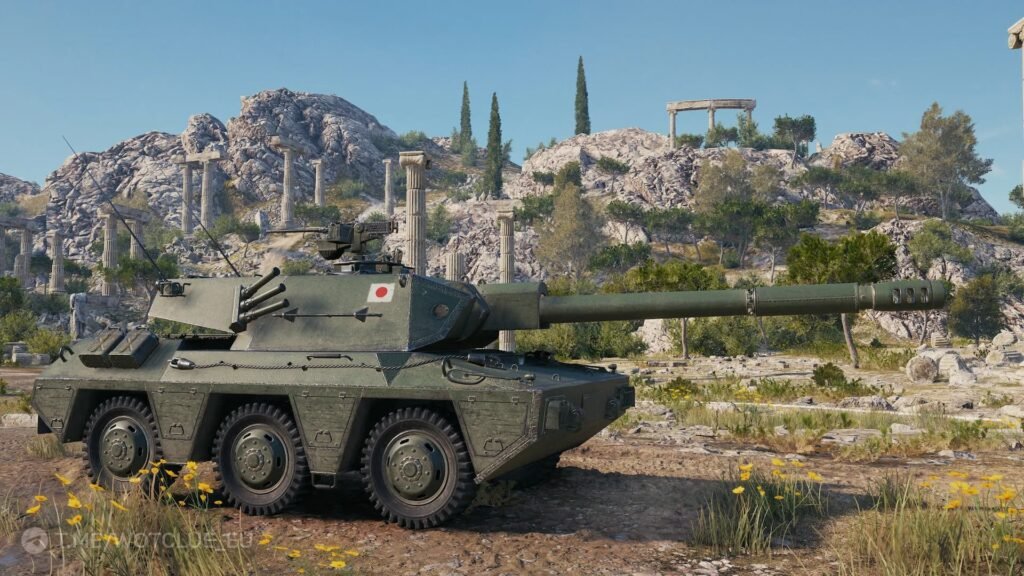
  • Terrifiant Tank Preview – World of Tanks Supertest

    Terrifiant Tank Preview – World of Tanks Supertest

    The World of Tanks Supertest has welcomed an impressive addition to the French heavy tank lineup: the Terrifiant, a Tier IX premium heavy tank that continues the design philosophy of France’s “alternative” heavy branch.

    terrifiant statistics

    Firepower: Punchy and Precise

    The Terrifiant brings a potent firepower package that balances alpha damage with accuracy:

    High Alpha Damage: The gun delivers 490 HP of damage per shot, placing the Terrifiant among the harder-hitting Tier IX heavy tanks. This alpha damage creates meaningful trades and allows the tank to punish exposed opponents decisively.

    Decent Accuracy: With 0.36 dispersion, the Terrifiant offers respectable accuracy for a heavy tank. This isn’t sniper-level precision, but it’s sufficient for reliable shot placement at medium ranges and enables more confidence in longer-distance engagements than many heavies can manage.

    Balanced Reload: With a 13.33-second reload time and a rate of fire of 4.5 rounds per minute, the Terrifiant maintains steady pressure on opponents while delivering significant per-shot impact. The balance between alpha damage and reload creates a comfortable rhythm for sustained engagements.
    Penetration Values: The gun features 246mm standard penetration and 276mm with premium ammunition, providing adequate penetration for most same-tier confrontations, though heavily armored targets may require premium rounds or careful aim at weak points.

    The firepower package creates a versatile weapon system capable of adapting to various engagement scenarios rather than being specialized for a single role.

    Armor Profile: Alternative Heavy Branch DNA

    The Terrifiant carries forward the armor characteristics that define the alternative French heavy line:

    Strong Frontal Hull Armor: With a nominal value of 150mm on the hull front, the Terrifiant features respectable frontal protection. While not impenetrable, the armor provides meaningful protection when properly angled and positioned, especially against lower-tier opponents.
    Robust Turret Armor: The turret boasts 250mm of frontal armor, creating a strong defensive position for hull-down gameplay. This substantial turret protection allows the Terrifiant to trade shots confidently when only the turret is exposed.

    Alternative Branch Philosophy: Like the AMX M4 54 and other vehicles from this line, the Terrifiant emphasizes frontal armor protection over mobility, creating a more traditional heavy tank experience than the autoloading oscillating-turret branch.

    Visual Connection: Community members have noted that the Terrifiant has visuals reminiscent of a Tier XI progression after the AMX M4 54, though the statistics remain firmly at the Tier IX level. This design continuity reinforces its position within the alternative heavy line.

    The armor profile supports aggressive positioning while maintaining the flexibility to adapt to defensive situations when necessary.

    Gun Depression: The French Advantage

    One of the Terrifiant’s most significant advantages is its exceptional gun depression:

    Outstanding -10° Depression: The maximum gun depression of -10 degrees is exceptional for any heavy tank, let alone a vehicle with this much armor. This depression capability opens up numerous positioning options that most heavy tanks simply cannot access.

    Terrain Mastery: The combination of -10 degrees depression, strong turret armor, and decent accuracy creates a vehicle that excels at ridge-fighting and utilizing terrain features. Hills and undulating terrain become significant tactical advantages rather than obstacles.

    Flexibility in Positioning: The exceptional gun depression means commanders can take aggressive positions on hills and ridges that would be impossible for tanks with standard -5 to -7 degrees of depression, expanding the Terrifiant’s tactical toolbox considerably.

    This gun depression is a defining characteristic that separates the Terrifiant from most heavy tanks and enables a more dynamic, terrain-focused playstyle.

    Mobility Characteristics

    The Terrifiant offers respectable mobility for a heavily armored Tier IX heavy tank:

    Top Speed: With a maximum forward speed of 33 km/h, the Terrifiant won’t be racing around the battlefield, but maintains adequate pace for a heavy tank. This speed allows for tactical repositioning without feeling completely immobile.

    Specific Power: The 17.5 hp/t power-to-weight ratio provides decent acceleration and ability to maintain speed over varied terrain. While not exceptional, this specific power ensures the Terrifiant remains relevant as battle lines shift.

    Balanced Mobility Package: The mobility characteristics suggest a tank designed for measured advances and tactical repositioning rather than aggressive flanking maneuvers. You can relocate when needed, but you won’t be executing rapid flanking movements.

    The mobility profile complements the Terrifiant’s role as a versatile heavy tank that can adapt to battlefield developments without being locked into static positions.

    Tactical Considerations

    The Terrifiant’s characteristics create clear tactical opportunities:

    Ridge-Fighting Excellence: The combination of -10 degrees gun depression, 250mm turret armor, and decent accuracy makes the Terrifiant exceptional at ridge-fighting. Seek out hills and terrain variation where this advantage can dominate.

    Versatile Positioning: Unlike specialized tanks limited to specific positions, the Terrifiant can function in hull-down positions, sidescraping situations, or frontal confrontations. This versatility allows adaptation to evolving battle situations.

    Measured Aggression: The strong frontal armor and punchy gun enable aggressive plays when opportunities present themselves, while the excellent gun depression provides escape routes and defensive options when pushes stall.

    Support or Lead: The Terrifiant can function as either a frontline leader using its armor to push positions, or as a second-line support tank leveraging its gun depression and accuracy to provide covering fire.

    Playstyle Implications

    The Terrifiant rewards commanders who can read terrain and leverage positioning advantages:

    Terrain-Focused Gameplay: Understanding map topography becomes crucial. Seek positions where the -10 degrees depression creates unfair advantages over opponents with limited gun depression.

    Hull-Down Priority: While the frontal armor is respectable, the turret armor is stronger. Prioritize hull-down positions where only the turret is exposed, maximizing survivability while maintaining offensive capability.

    Adaptable Approach: Don’t lock yourself into a single playstyle. The Terrifiant’s versatility means you should adapt to what each situation demands rather than forcing a predetermined approach.

    Shot Patience: The decent accuracy and meaningful alpha damage reward patient, aimed shots rather than snap-shooting. Take the extra second to ensure hits, especially at longer ranges.

    Commanders looking to master the Terrifiant should consider:

    • Prioritizing positions with terrain variation where gun depression advantages matter
    • Using the strong turret armor aggressively in hull-down situations
    • Leveraging the -10 degrees depression to engage from unexpected angles
    • Balancing aggressive pushes with the tactical retreats the gun depression enables
    • Taking advantage of the decent accuracy for longer-range engagements when needed
    • Supporting teammates by holding key terrain features that control map flow

    Community Reception

    Initial community reactions to the Terrifiant have been generally positive:

    Design Continuity: Players appreciate that the Terrifiant clearly belongs to the alternative French heavy branch, with design elements and capabilities that echo the line’s established identity.

    Visual Appeal: Community members have praised the visual design, with some noting it looks like it could be a Tier XI vehicle in terms of aesthetics, though the statistics remain appropriately balanced for Tier IX.

    Gun Depression Enthusiasm: The -10 degrees of gun depression generates particular excitement among players who understand how powerful this capability can be in skilled hands.

    Versatility Appreciation: The Terrifiant’s ability to function in multiple roles appeals to players who prefer flexible vehicles over one-trick specialists.

    What Sets the Terrifiant Apart

    The Terrifiant occupies a compelling niche in the Tier IX heavy tank landscape:

    Alternative Branch Identity: Clear lineage to the alternative French heavy line creates instant understanding of the tank’s philosophy and playstyle for experienced players.

    Gun Depression Elite: The -10 degrees of gun depression places the Terrifiant among the absolute elite for heavy tanks in this regard, creating tactical possibilities most heavies can’t access.

    Historical Significance: As a Franco-American hybrid design, the Terrifiant represents an interesting “what if” moment in tank development history, bringing a canceled project to virtual life.

    Versatile Heavy: Unlike specialized tanks that excel narrowly, the Terrifiant offers genuine versatility—functioning effectively in hull-down, frontal engagement, and support roles depending on situation demands.

    What’s Next?

    As a Supertest vehicle, the Terrifiant’s final statistics and characteristics remain subject to change. Wargaming will evaluate whether the combination of gun depression, armor, and firepower creates balanced gameplay or requires adjustment.

    Key questions for the testing phase include:

    • Is the -10 degrees gun depression too powerful when combined with the armor profile?
    • Does the 490 alpha damage with decent accuracy create too favorable trading scenarios?
    • Is the mobility sufficient to allow repositioning without making the tank too flexible?
    • How does the tank perform across various map types and terrain profiles?
    • Will the frontal armor prove adequate in the current high-penetration meta?
    • Does the reload time properly balance the alpha damage and gun handling?

    The Supertest phase will reveal whether the Terrifiant becomes a beloved addition to the alternative French heavy line or requires tuning to find its proper balance.

    Final Thoughts

    The Terrifiant represents the alternative French heavy philosophy executed at Tier IX with thoughtful design choices that create tactical depth. The exceptional -10 degrees of gun depression combined with strong turret armor and punchy firepower creates a vehicle that rewards terrain awareness and positioning intelligence.

    For commanders who appreciate versatile heavy tanks that can adapt to circumstances rather than being locked into rigid playstyles, the Terrifiant offers a compelling package. The requirement to understand terrain and leverage gun depression advantages creates a skill ceiling that rewards mastery while remaining accessible to competent players.

    The combination of French and American design elements creates something greater than the sum of its parts—a heavy tank that can fight from ridges, brawl in cities, or provide supporting fire depending on what each battle demands. If you embrace the terrain-focused gameplay that the exceptional gun depression enables, the Terrifiant becomes a powerful tool for controlling key positions and dictating engagement terms.

    Whether you’re excited about continuing the alternative French heavy line or intrigued by the historical Franco-American collaboration, the Terrifiant offers a distinctive take on Tier IX heavy tank design that prioritizes tactical flexibility and positioning advantages over specialized dominance in narrow circumstances.r in close quarters above all else.

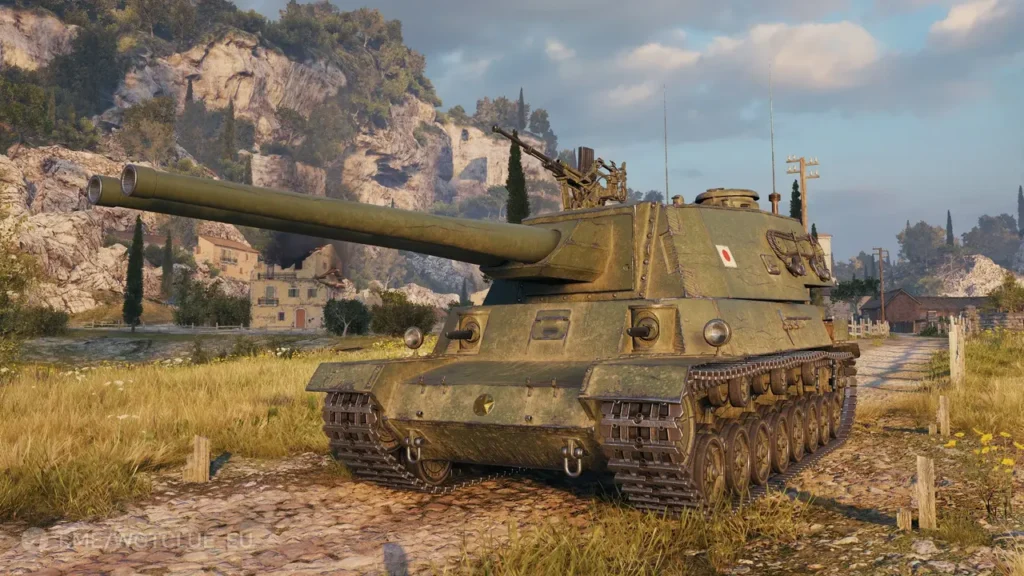
  • Saryuda Tank Preview – World of Tanks Supertest

    Saryuda Tank Preview – World of Tanks Supertest

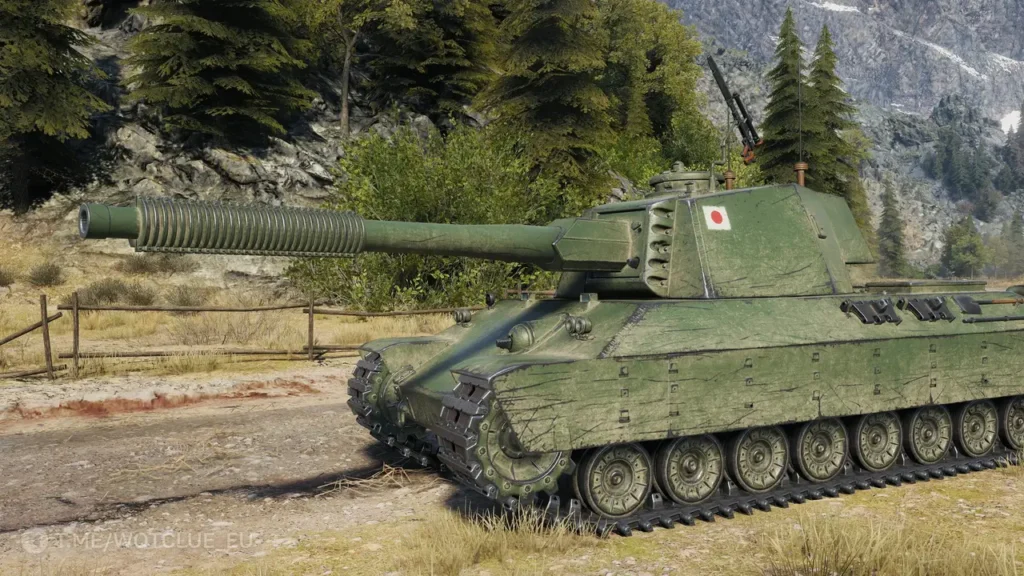
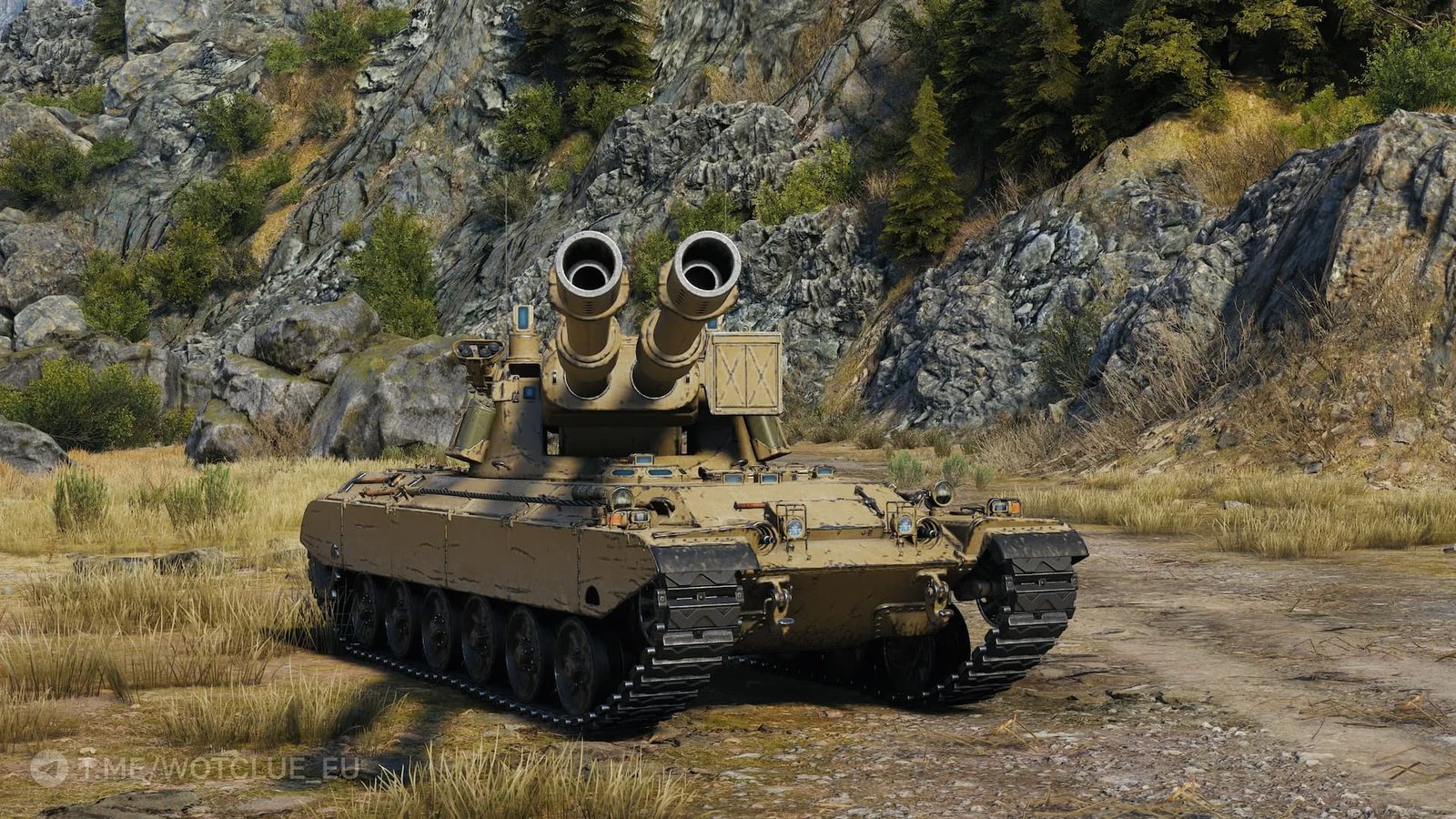
    This turreted tank destroyer combines twin 12.7cm naval guns with decent armor and mobility, creating a unique platform that brings the popular double-barreled mechanic to a nation that has never experienced it before. With its distinctive limited-traverse turret and coastal defense heritage, the Saryuda represents an intriguing fusion of Japanese engineering and the dual-gun system perfected on vehicles like the Object 703 Version II.

    saryuda tank statistics

    Historical Background: Coastal Defense Doctrine

    The Saryuda has a fascinating historical context rooted in Japan’s desperate defensive preparations during World War II:

    Coastal Defense Mission: Expecting Allied forces to eventually invade the Japanese Home Islands, military planners began preparing comprehensive coastal defense strategies for Honshu and the other islands of the archipelago. This defensive doctrine required specialized vehicles capable of both anti-landing operations and engagement with Allied armored vehicles.

    Naval Gun Repurposing: Various naval gun options were considered for the main armament—specifically guns that had already been built but were no longer needed by the Imperial Navy. This practical approach to resource allocation was typical of Japan’s late-war industrial strategy, where existing military hardware was repurposed for new roles.

    Twin-Gun Innovation: To increase the rate of fire and maximize firepower, designers planned to mount a double-barreled gun system on a spacious welded turret. This twin-mount configuration would allow the vehicle to deliver devastating salvos against landing craft or armored targets.

    Secondary Armament: The design included comprehensive secondary weaponry: three machine guns (two forward-facing and one rear-mounted) plus a 20mm rapid-fire cannon on the turret. This extensive secondary armament reflected the coastal defense role, where protection against infantry and light vehicles was crucial.

    The project never progressed beyond design stages, as Japan’s surrender ended development before any prototype could be constructed. However, the Saryuda represents an interesting “what if” scenario—what would Japanese engineers have created if given the time and resources to pursue twin-gun tank destroyer technology?

    Dual-Gun Mechanics: Double the Trouble

    The Saryuda introduces the dual-gun mechanic to Japanese vehicles, functioning similarly to the Object 703 Version II and TS-54:

    Twin 12.7cm Guns: Each gun delivers 500 HP of damage per shot, creating a combined salvo potential of 1,000 HP. This devastating burst damage capability makes the Saryuda a serious threat in any engagement.

    Salvo Preparation: The guns require 3 seconds of preparation time before firing the salvo. This pre-fire delay adds tactical complexity—you must commit to the shot and wait for the salvo to be ready.

    Reload Lock: After firing the salvo, the guns are locked down for 4 seconds before you can begin individual gun reloads or prepare another salvo. This post-salvo vulnerability period is a critical weakness that opponents can exploit.

    Individual Gun Reload: Each gun has a 12.46-second reload time, meaning full dual-gun readiness takes 24.93 seconds from empty. This lengthy reload creates extended periods of vulnerability between full salvos.

    Gun Switching: You can switch between individual guns with a 5-second switching time, allowing for sustained fire at the cost of never having both guns ready simultaneously unless you wait for the full reload cycle.

    The mechanic creates fascinating tactical decisions around when to use the devastating 1,000 HP salvo versus maintaining sustained fire with individual guns.

    Firepower Characteristics

    Beyond the dual-gun mechanic, the Saryuda offers solid firepower fundamentals:

    Penetration Values: Standard AP rounds feature 265mm of penetration, while special APCR rounds offer 305mm. These values are competitive for Tier IX, handling most same-tier opponents effectively while requiring premium rounds for heavily armored targets.

    Accuracy: With 0.35 dispersion at 100m, the Saryuda offers decent accuracy for a tank destroyer. While not surgical precision, this accuracy is sufficient for reliable shot placement at medium to long ranges.

    Aim Time: The 2.21-second aim time is quite good for a vehicle with this much alpha damage potential. Combined with the decent accuracy, the Saryuda can deliver aimed shots relatively quickly.

    Gun Depression/Elevation: The Saryuda features -7 degrees of gun depression and +15 degrees of elevation. While -7 degrees is acceptable, it’s not exceptional—limiting hull-down effectiveness compared to vehicles with superior depression.

    The firepower package balances the devastating salvo potential with handling characteristics that prevent the tank from being overpowering at range.

    Limited Turret Traverse: Tactical Considerations

    One of the Saryuda’s most defining characteristics is its limited turret rotation:

    90-Degree Traverse Arc: The turret can rotate 90 degrees to each side, creating a 180-degree arc of fire. This is significantly more flexible than fixed-gun tank destroyers but far more restrictive than full-rotation turrets.

    Turret Traverse Speed: At 18.77 degrees per second, the turret traverse is respectable within its limited arc. You can track targets adequately when they’re within your firing arc.

    Positioning Importance: The limited traverse makes hull positioning absolutely critical. You must constantly consider your hull angle to ensure targets fall within your firing arc, adding a layer of tactical complexity absent from full-turret TDs.

    Vulnerability to Flanking: The 90-degree limitation to each side creates significant blind spots behind you. Aggressive light tanks and fast mediums can exploit this weakness, forcing you to rotate your hull—a time-consuming process that leaves you vulnerable.

    This limitation fundamentally changes how the Saryuda must be played compared to traditional turreted tank destroyers.

    Armor Profile and Survivability

    The Saryuda brings respectable armor values for a turreted tank destroyer:

    Turret Armor: The turret features 250mm of nominal frontal armor, providing solid protection against most same-tier opponents. This robust turret can bounce shots when properly angled, enabling more aggressive positioning.

    Hull Armor: With 230mm of nominal frontal armor, the hull offers decent protection that can work against lower-penetration guns. While not impenetrable, this armor allows the Saryuda to absorb some damage rather than requiring complete concealment.

    Hit Points: The Saryuda has 1,800 HP, a respectable pool for a Tier IX tank destroyer that enables it to survive a few mistakes or absorb return fire during trades.

    Armor Effectiveness: The combination of turret and hull armor means the Saryuda can engage in direct confrontations more confidently than lightly armored TDs, though it shouldn’t be mistaken for a heavy tank.

    The armor profile supports a more aggressive playstyle than typical paper-armored tank destroyers while maintaining the glass-cannon nature of the class.

    Mobility Characteristics

    The Saryuda offers decent mobility for a heavily armed tank destroyer:

    Top Speed: With a maximum forward speed of 38 km/h, the Saryuda maintains reasonable pace for repositioning and reaching key positions. This isn’t light tank speed, but it’s adequate for a TD with this much firepower.

    Specific Power: The 16.1 hp/t power-to-weight ratio provides decent acceleration and ability to maintain speed over varied terrain. You won’t struggle to reach positions, though you won’t beat faster vehicles to key spots.

    Tactical Positioning: The mobility allows the Saryuda to take key positions in time and relocate between firing positions as battle lines shift. This flexibility prevents the tank from being locked into static gameplay.

    The mobility package ensures the Saryuda remains relevant throughout battles rather than being stuck in its initial deployment position.

    Tactical Considerations

    The Saryuda’s unique characteristics create specific tactical considerations:

    Salvo Timing: The 1,000 HP salvo potential is devastating, but the 3-second preparation time and 4-second reload lock create vulnerability windows. You must carefully time salvos to maximize damage while minimizing exposure to return fire.

    Arc Management: Constantly managing your firing arc becomes essential. Position your hull to maximize coverage of likely enemy approaches while minimizing the need for time-consuming hull rotation.

    Sustained vs Burst: Choosing between individual gun fire for sustained DPM and waiting for both guns to deliver a salvo creates interesting tactical decisions. Sometimes the 1,000 HP burst is worth the wait; other times, continuous fire is more valuable.

    Armor Utilization: The decent armor allows for more aggressive positioning than paper TDs, but you shouldn’t face-tank enemies. Use the armor to buy time for reloads or create favorable trades, not as primary defense.

    Flanking Vulnerability: The limited turret traverse creates significant vulnerability to flanking attacks. Always position with awareness of potential flanking routes and maintain escape paths.

    Playstyle Implications

    The Saryuda rewards commanders who can manage its unique blend of strengths and limitations:

    Position with Purpose: Every position must consider firing arc coverage. Place your hull to cover likely engagement angles while maintaining escape routes for when you need to relocate.

    Patience with Salvos: The 3-second salvo preparation means you can’t panic-fire. Commit to targets deliberately, ensure they’ll remain exposed during preparation, and maximize the value of each 1,000 HP salvo.

    Aggression Management: The decent armor and HP pool allow for calculated aggression, but the limited turret traverse punishes overextension. Push when supported, retreat before you’re surrounded.

    Armor Angling: Unlike fixed-gun TDs that present their strongest armor directly forward, the Saryuda’s limited turret traverse adds complexity to armor angling. Finding the sweet spot between optimal armor angle and firing arc coverage requires practice.

    Commanders looking to master the Saryuda should consider:

    • Pre-positioning your hull angle to cover anticipated enemy movements
    • Using the 1,000 HP salvo to punish isolated targets or finish wounded enemies
    • Leveraging the decent armor to trade more aggressively than paper TDs
    • Maintaining awareness of your limited rear arc and flanking vulnerabilities
    • Switching to individual gun fire when sustained pressure is more valuable than burst damage
    • Using the decent mobility to reposition between firing positions as battle lines shift
    • Supporting teammates who can protect your flanks from fast, aggressive enemies

    Community Reception

    Initial community reactions to the Saryuda have been mixed:

    Japanese Dual-Gun Excitement: Players appreciate seeing the dual-gun mechanic finally come to Japan, adding variety to the nation’s gameplay options.

    “1,000 Damage Double Shot”: The community immediately focused on the devastating salvo potential, with concern that getting hit by this double-tap will ruin anyone’s day, similar to FV215b (183) encounters.

    Historical Skepticism: Some players questioned the historical authenticity, noting that the design appears to be a recent creation rather than a genuine wartime project.

    Limited Traverse Concerns: The 90-degree limitation to each side has generated discussion about whether this restriction adequately balances the salvo potential or simply creates frustration.

    Accuracy and DPM Discussion: Some players note that the accuracy isn’t amazing and the DPM is limited, but acknowledge that people will still hate receiving the 1,000 HP double-tap.

    What Sets the Saryuda Apart

    The Saryuda occupies a unique niche in the World of Tanks ecosystem:

    First Japanese Dual-Gun: This marks Japan’s entry into the dual-gun club, expanding the nation’s tactical options and playstyle variety.

    Turreted TD with Limited Arc: The combination of turret flexibility and 90-degree limitation creates a middle ground between fixed-gun and full-turret tank destroyers.

    Naval Gun Heritage: The repurposed naval gun concept adds interesting historical flavor and explains the twin-mount configuration.

    1,000 HP Salvo Potential: Few Tier IX tank destroyers can deliver this much damage in a single burst, making the Saryuda a serious threat in any engagement.

    What’s Next?

    As a vehicle currently in developer testing following Supertest, the Saryuda’s characteristics may still be subject to refinement. The transition from Supertest to Common Test and eventual release will reveal any final balance adjustments.

    Key questions for the remaining testing phases include:

    • Is the 1,000 HP salvo properly balanced by the preparation time and reload lock?
    • Does the limited 90-degree traverse to each side adequately restrict the turret’s flexibility?
    • Are the armor values appropriate for a tank destroyer with this much burst damage?
    • Will the vehicle’s classification as “Promotional” affect its availability and acquisition method?
    • How will the Saryuda perform in various map types and tactical situations?

    Final Thoughts

    The Saryuda represents an exciting addition to the Japanese tech tree, bringing the popular dual-gun mechanic to a nation that has never experienced it. The combination of devastating 1,000 HP salvos, limited-traverse turret, decent armor, and respectable mobility creates a tank destroyer that rewards intelligent positioning and careful salvo timing.

    For commanders who appreciate the dual-gun playstyle but want to experience it in a tank destroyer format, the Saryuda offers a unique package. The requirement to manage firing arcs while timing devastating salvos creates engaging gameplay that rewards tactical thinking and situational awareness.

    The Saryuda won’t be the tank for everyone—the limited turret traverse and lengthy reload cycles create genuine vulnerabilities that skilled opponents will exploit. However, for players who can master the firing arc management and salvo timing, this coastal defense monster offers the satisfaction of delivering crushing 1,000 HP blows that can swing battles.

    Whether you’re excited about Japan’s first dual-gun vehicle or intrigued by the naval gun heritage and limited-traverse turret mechanics, the Saryuda promises to be a distinctive addition to the game—one that brings new tactical considerations to the tank destroyer class.

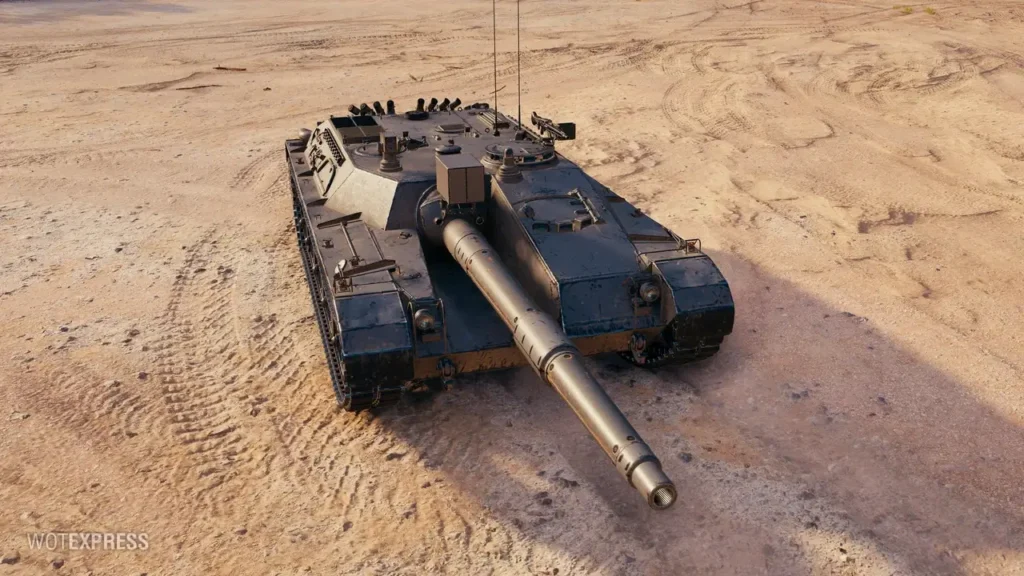
  • M-VII-Y Tank Preview – World of Tanks Supertest

    M-VII-Y Tank Preview – World of Tanks Supertest

    This brand-new vehicle promises to bring versatile gameplay and unique survivability features to high-tier battles, building upon the foundation established by its predecessors in the Yoh line.

    M-VII-Y tank statistics

    The Yoh Legacy: Reserve Track Mechanic

    The M-VII-Y’s most distinctive feature is its reserve track system, a mechanic that has defined the Yoh family since Tier VII. The concept is elegantly simple yet tactically significant: an additional track is attached to the main tracks, allowing the tank to continue moving even when both main tracks are destroyed.

    What makes the M-VII-Y particularly special is its shortened hull design. This optimized configuration allows the reserve tracks to work very effectively, with speed losses being far less noticeable when the main tracks are destroyed. This improvement over earlier Yoh vehicles means commanders can maintain battlefield mobility even after taking track damage that would completely immobilize conventional heavy tanks.

    Firepower That Balances Alpha and Reliability

    The M-VII-Y is equipped with a capable gun system delivering 400 HP of damage per shot. While this may not match the devastating alpha of super-heavy tanks or premium heavies, it strikes an excellent balance between punch and practical application. The gun offers sufficient damage to make each shot count while maintaining the consistency needed for sustained engagements.

    The firepower package delivers several advantages:

    • Respectable alpha damage: 400 HP per shot provides meaningful impact in trades
    • Comfortable gun handling: The weapon system is designed for reliable shot placement
    • Versatile ammunition selection: Options for different tactical situations and armor profiles

    This damage output positions the M-VII-Y as a tank that rewards good positioning and target selection rather than relying solely on overwhelming single-shot damage.

    Defensive Capabilities and Armor Profile

    The M-VII-Y brings solid defensive characteristics that complement its role as a frontline heavy tank:

    Strong Turret Armor: The vehicle features robust turret protection, allowing it to leverage hull-down positions effectively and trade shots with confidence when properly positioned.

    Hull-Down Potential: With an impressive 10 degrees of gun depression, the M-VII-Y excels at utilizing terrain features and ridgelines. This exceptional gun depression is among the best available to heavy tanks and opens up numerous tactical positioning options that other nations’ heavies can only dream of.

    Survivability Through Mobility: Beyond traditional armor, the reserve track mechanic adds a unique layer of survivability. The ability to remain mobile after track damage allows for tactical retreats, repositioning under fire, and maintaining presence in crucial moments when other heavies would be sitting ducks.

    Tactical Considerations

    The M-VII-Y appears designed as a versatile heavy tank that can adapt to multiple battlefield roles:

    Hull-Down Specialist: The combination of strong turret armor and excellent gun depression makes the M-VII-Y particularly effective on maps with terrain variation. Ridge fighting, hill control, and defensive positions become natural strengths.

    Reliable Support Vehicle: With solid firepower and good survivability, the M-VII-Y can serve as a dependable second-line tank, supporting aggressive pushes or providing covering fire for teammates.

    Mobility-Focused Heavy: The tank features solid specific power, meaning it can relocate between positions more readily than sluggish super-heavies. Combined with the reserve track mechanic, this creates a heavy tank that’s surprisingly difficult to pin down.

    Playstyle Implications

    The M-VII-Y rewards commanders who think tactically about positioning and understand how to maximize their advantages. This isn’t a tank for mindless brawling or static gameplay—it excels when played with intelligence and map awareness.

    Commanders looking to master the M-VII-Y should consider:

    • Seeking out hull-down positions to maximize the 10-degree gun depression
    • Using the strong turret armor to trade effectively while minimizing hull exposure
    • Leveraging the reserve tracks for aggressive repositioning without fear of being tracked
    • Supporting team advances with consistent firepower rather than relying on single massive strikes
    • Taking advantage of the good specific power to respond to battlefield developments

    Versatility as a Core Strength

    The vehicle is fairly versatile in all other aspects with solid specific power, strong turret armor, and comfortable gun handling. This versatility is perhaps the M-VII-Y’s greatest asset. Unlike highly specialized tanks that excel in narrow circumstances, the M-VII-Y can adapt to various situations and contribute meaningfully across different map types and battle scenarios.

    The tank doesn’t have crippling weaknesses that force overly cautious play, nor does it possess overwhelming strengths that encourage reckless aggression. Instead, it offers a balanced package that rewards skilled play and tactical thinking.

    Community Reception

    Initial community reactions to the M-VII-Y have been mixed, with some players expressing skepticism about adding another Yoh family member. Critics point to the existing Yoh tanks’ relatively modest popularity compared to other tech tree lines. However, enthusiasts appreciate the unique reserve track mechanic and the versatility that the line offers.

    Some players have suggested the M-VII-Y might have worked better as a Tier XI vehicle, continuing the Yoh line upward rather than filling in the Tier IX slot. Others see it as a potential premium vehicle candidate given the existing Yoh line structure.

    What’s Next?

    As a Supertest vehicle, the M-VII-Y’s final statistics and characteristics remain subject to change. Wargaming will gather data from Supertesters to ensure the vehicle fits properly into the Tier IX heavy tank ecosystem without overshadowing existing options or proving underwhelming.

    Key questions for the testing phase include:

    • Does the reserve track mechanic provide sufficient tactical advantage?
    • Is the gun handling and alpha damage combination competitive at Tier IX?
    • How does the turret armor hold up against current high-penetration meta?
    • Can the vehicle find its niche alongside established favorites?

  • AHT-7 Tank Preview – World of Tanks Supertest

    AHT-7 Tank Preview – World of Tanks Supertest

    Whether you’re excited or concerned about the AHT-7, one thing is certain: this tank destroyer will demand respect from both those who play it and those who face it on the battlefield.

    AHT-7 tank destroyer

    Firepower That Commands Respect

    The AHT-7’s defining feature is its colossal 165.1 mm gun, placing it among the most destructive weapons in its class. This monster cannon offers two devastating ammunition options:

    • Standard HEAT rounds: 1,000 HP damage per shot with 320 mm penetration
    • Special HESH shells: 1,200 HP damage per shot with 265 mm penetration

    These damage numbers are extraordinary, capable of crippling or outright destroying enemy vehicles in just a few well-placed shots. The ability to inflict 1,200 HP of damage with a single HESH shell gives the AHT-7 incredible late-game potential, where every shot can be game-changing.

    The Trade-Off: Gun Handling Challenges

    Of course, such devastating power comes with significant drawbacks. The AHT-7 features some challenging gun handling characteristics:

    • Aiming time: 3.3 seconds
    • Accuracy: 0.44 dispersion

    These statistics place the AHT-7 firmly in the category of tanks that require patience and careful positioning. This isn’t a vehicle for snap shots or reactive gameplay. Instead, commanders will need to pre-aim, choose their moments carefully, and make every shot count.

    Survivability and Positioning

    The AHT-7 isn’t just about raw firepower. It brings several defensive capabilities that complement its role:

    Turret Armor: The full-rotation turret features up to 241 mm of nominal armor at the front, providing solid protection when properly angled and positioned.

    Gun Depression: With 8 degrees of gun depression, the AHT-7 can effectively utilize hull-down positions and terrain features, a crucial advantage given its lengthy aim time.

    Camouflage Values: The vehicle boasts excellent camouflage ratings, allowing it to leverage its devastating firepower from concealed positions and strike from unexpected angles.

    Tactical Considerations

    The AHT-7 appears designed for a specific tactical niche:

    Ambush Predator: With its exceptional camouflage and one-shot potential, the AHT-7 excels at setting up ambushes and catching enemies off-guard. The combination of stealth and firepower means skilled players can dictate engagements on their terms.

    Terrain-Based Warfare: The solid turret armor and respectable gun depression enable hull-down play, compensating somewhat for the challenging gun handling. Finding good positions with solid cover will be essential.

    Late-Game Specialist: As battles thin out and opponents become more cautious, the AHT-7’s ability to delete nearly any target in 1-2 shots becomes increasingly valuable. Patient players who survive to the endgame could find this tank particularly rewarding.

    Playstyle Implications

    Early community feedback suggests the AHT-7 will reward careful, methodical gameplay. The poor accuracy and lengthy aim time mean aggressive pushes are risky, but the combination of high alpha damage, good camouflage, and a rotating turret provides versatility that fixed-gun tank destroyers lack.

    Commanders looking to master the AHT-7 should consider:

    • Maximizing camouflage with crew skills, equipment, and positioning
    • Pre-aiming common routes and chokepoints
    • Using the full-rotation turret to cover multiple angles without repositioning
    • Taking advantage of the gun depression to minimize exposure
    • Saving premium HESH shells for crucial moments or soft-skinned targets

    Community Reception

    Initial reactions from the World of Tanks community have been mixed, with some players expressing concerns about another high-alpha vehicle entering the game, while others are excited about the tactical possibilities. Comparisons to vehicles like the FV215b (183) and Object 268 Version 4 are inevitable, though the AHT-7’s combination of turret, camouflage, and specific gun characteristics gives it a distinct identity.

    What’s Next?

    As a Supertest vehicle, the AHT-7’s statistics and characteristics are subject to change before any potential release. Wargaming will be gathering data and feedback from Supertesters to refine the vehicle’s balance and ensure it fits properly into the game’s ecosystem.

    Its combination of devastating alpha damage, solid defensive capabilities, and stealth potential creates a unique package that could become either a beloved favorite or a frustrating opponent, depending on which side of its gun you find yourself.

  • World of tanks Black Market 2026 – Tank predictions

    World of tanks Black Market 2026 – Tank predictions

    Last year, the Black Market was quite underwhelming for the majority of the playerbase. It was dominated by the gold offer,s and there was only 1 credits offer for a trash tank K-91-2.

    Pretty much, there wasn’t any new content that was offered to the players apart from that K-91-2. Last offer featured just a mystery box with premium tanks with fancy 3D styles that many players already had. Let’s try to guess which tanks could be featured in this event. We guessed 2 tanks for the Christmas lootboxes, let’s see if we can do it better this time.

    Heavy Tanks

    Yong bing tank

    Yong Bing

    Yong Bing is a tier 9 Chinese heavy tank with rocket boosters and a double-barreled gun capable of devastating double shots. I was already very surprised this tank wasn’t in 2026 lootboxes, but it is a perfect candidate for the black market since a lot of people are ready to bid big in order to get their hands on this beast. Based on the statistics alone, this seems like the best tier 9 premium at the moment.
    Probably the most fun unreleased tier 9 premium heavy would give up to 25 million credits for it.

    SPHT tank

    SPHT

    SPHT is an American premium tier 9 heavy tank. It has very weak frontal armor with around 200 mm of effective armor thickness. Apart from the armor, it actually seems like a decent support heavy, with great gun and decent enough mobility to relocate on the battlefield if necessary. It seems on point with other tier 9 premiums in terms of power and balance.
    This tank is pretty decent, would give up to 18 million credits for it.

    schwertwal tank

    Schwertwal

    This is a pretty interesting German heavy at tier 10. Main characteristics of this vehicle are a high alpha damage gun at 700 damage per shot and a low top speed at only 30 km/h. In terms of armor, it’s nothing special; it has 2 big weakspots on the upper front plate, the upper deck can be overmatched by 121 mm guns and higher, while the lower plate is very big and tragically weak at only 200 mm of effective armor. The turret is tho very solid, around 400 mm on the front without any weak spots. While the gun is hard-hitting, it has horrible dispersion values.
    I wouldn’t give more than 10 million credits; it doesn’t bring anything new to the game, and it doesn’t have a characteristic that would make it great at one thing.

    Medium tanks

    Leox world of tanks

    Leox 

    A very recent addition to the Supertest is a tier 9 premium French medium tank, the Leox. Playstyle-wise, it reminds me a lot of the AMX 30 and 30B. It features great penetration, decent alpha damage, good gun handling, bad hull armor, and a somewhat reliable turret. But the main interesting feature is the top speed of 70 km/h, which is really fast for a medium without any special modes. It could be a pretty fun tank, would give up to 20 million for it.

    serpente tank

    Serpente

    A lot of people expected it in 2026 lootboxes, but it hasn’t appeared. There is a lot of hype surrounding it, so if it will be for bids, you can expect bids to be really high, around 30-40 million. The reason for the hype is the fact that this is the First Italian tank with a double-barreled gun. SFAC-105, which was in the last year, Black Market was also the first French TD with double barrels, so it does make sense if they put Serpente into the bids. Mechanics-wise, you also have insane dispersion values whenever you are charging the double shot, which proved very effective on the SFAC-105.

    Light tanks

    LTS-85 tank

    LTS-85

    This is a tier 8 premium soviet light tank. It has been in a supertest phase for a couple of years now, while the chances are low for it appearing, this might be a stinker that WG can sell to you for credits or free XP. Stats-wise, it looks like a pretty bad tank, horrible dpm, bad penetration, bad camo rating, and no armor. The only decent things about this tank are the mobility and good alpha damage at 300.

    Since I’m not such a fan of lights in the current meta, I wouldn’t give more than 5 million for it.

    Tank Destroyers

    Kanonenjagdpanzer 2 tank

    Kanonenjagdpanzer 2

    This is a Tier 8 premium German tank destroyer. A successor to the Kanonenjagdpanzer is equipped with a siege mechanic, which makes it one of the best snipers at tier 8 with only 0.29 dispersion in siege mode. DPM is solid at 2,7k and mobility is great. The ugly thing about the tank is the fact that it has absolutely no armor to the point where almost any HE rounds can penetrate it. Probably worth around 12 million.

    SU-122V tank

    SU-122V

    SU-122V is a tier 9 premium Russian tank destroyer with hydropneumatic suspension. It has been on the supertest since February of 2024, but the tank hasn’t been featured in any event yet. The first Russian tank with such suspension, it also has a really good upper hull, where the majority is an autorichochet very similar to the Swedish tier 10 STRV103B. Did I forget to add that it also has a great gun with over 3k DPM? Tank might also receive some additional changes to the usual procedure, which is for WG. Probably worth around 20 million.

    alby

    Lorraine 120 Alby

    This is a French tier 8 premium TD. It seems like the standard stuff from the French TD, an autoloader, in this case with 4 shells in the clip, 2.5 s intraclip reload, and 40 seconds for the full clip reload. Frontal armor is really decent, actually, with not weakspots at the top of the vehicle, as is usually the case with Foch TDs. But this tank is a lot more flexible than the Foch tanks due to the fact that it has an extra 20 degrees of horizontal gun traverse, which makes playing the tank a lot more comfortable. It seems like a pretty good tank overall, could be a good credit maker.
    I would bid up to 15 million for it.

    Conclusion

    If there are again going to be 5 tanks in the lootboxes, this would be my prediction:

    • Serpente – Tier 9 Italian Medium
    • Leox – Tier 9 French Medium
    • Schwertwal – Tier 10 German Heavy
    • SPHT – Tier 9 American Heavy
    • Yong Bing – Tier 9 Chinese Heavy
    • LTS-85 – Tier 8 Soviet light tank
    • Kanonenjagdpanzer 2 – Tier 8 German TD
    • SU-122V – Tier 9 Soviet TD
    • Lorraine 120 Alby – Tier 9 French TD

    Check out also these similar posts:
    Best premium tanks in 2025 – Easy credit makers
    Best premium tanks for bonds in 2025
    Best tier 11 tanks in 2025

    Good luck on the battlefield.

  • Lootboxes 2026 – World of Tanks – Are they worth buying?

    Lootboxes 2026 – World of Tanks – Are they worth buying?

    We will break down each segment of the lootboxes’ rewards, so the high-tier vehicles, lower-tier vehicles, 3D styles, and attachments.

    High Tier Premium Tanks

    lootbox tanks 2026

    Last year it featured:

    • 2 Tier 9 Premiums
    • 3 Tier 8 Premiums

    This year we have:

    • 2 Tier 10 Reward Vehicles
    • 3 Tier 9 Premiums
    • 1 Tier 8 Premium

    This is a significant difference compared to the last year, and in my opinion, a downgrade when it comes to the value. Let me explain.

    In the current state, the tier 8 premiums are more powerful than the tech tree counterparts; the tier 9s, on the other hand, are quite a bit weaker than the tech tree tanks. Also, this is true for these tanks included in this year’s lootboxes. In my opinion, it’s a lot harder to have great games in weak premiums even when they earn more credits than the tier below, so until the tier 9s are at least on par with the tech tree tanks, for me, tier 8s are still a more effective way to be profitable.

    Project Louis might be a fun tank to play, but it won’t make as much credits as a tier 8 heavy. TBT and Jgdpz E90 are underwhelming on paper. Stridsyxa, despite general opinion, I think it might be a very good tank; it has a better gun, almost the same mobility, and a lot better armor than a very solid Lansen C.

    Apart from the lack of tier 8 premiums, we also have 2 tier 10 reward tanks. The majority of the players are not interested in reward vehicles, no matter how unique they might be, and they don’t offfer any impact to the economy of the players account, but they are technically as expensive as premium tanks, additional credit earning capabilites. So this guarantee of a vehicle after 50 boxes has been nerfed from a guaranteed premium vehicle to just a guaranteed vehicle.

    Conclusion: If you’re mainly buying lootboxes for the good credit makers, this might be a good year to skip.

    3D Styles

    While this is a subjective thing, I think the 3D styles are also nowhere near the level of quality of previous years, looking at the level of detail and creativity of the styles. If you don’t believe me, just take a look at the BZ-75 “Coastguard” style.

    bz75 coastguard style

    I’m having a really hard time actually spotting which parts are 3D, it looks more like a BZ-75 with a fancy camo….

    3d styles 2026

    The rest of the styles are alright, but compared to something like the “Amphibious” M53/55 or the “The Rod” Grill 15 from last year, they don’t come even close.

    The rod grille style

    Either the developer lost the inspiration, or they didn’t want to put in the effort to make something as cool as before.

    The only good thing is that you can get last year’s styles from this year’s lootboxes, which were epic, it all depends on your luck tho.

    Conclusion: Most of the tanks that received the 3D styles already have 1 or 2 styles; it seems like a waste. The quality of them seems to have taken a hit.

    3D Attachments

    This is a segment that I think has retained the quality and value, while you cannot use the attachments on all tanks, they are really awesome in my opinion.

    3d attachments 2026 1
    3d styles set 2
    3d styles 2026 set 3

    Especially the biker set, you could make some great creations with these attachments. Quality of life WG has made is the fact that you won’t get duplicate attachments until you collect them all. I do think the drop chance might still be a bit too low with only 6%.

    Conclusion: if you are into 3D attachments, this year’s boxes offer great sets, and you won’t receive duplicates until you get them all.

    Lower tier tanks

    Very happy to see none of the lower tier tanks from the lootboxes seem to be broken. We really don’t need more LEFEs and other cancer tanks killing the quality of the lower-tier games, so props to the WG for keeping it normal.

    lower tier tanks 2026 lootboxes

    Gold and Premium Time

    This is an interesting topic now, since the compensation rates are a lot higher for the whole high-tier lineup of tanks.

    Compensation lootboxes 2026

    Players buying around 20 boxes are probably going to get disappointed with the value they get, or lack of it. There is almost no chance of getting duplicate high-tier vehicles, so the gold gains are going to be worse than if you were to straight-up buy gold.

    lootbox bundles 2026

    For players buying up to 100 boxes, I would say the situation with received gold and premium time stays the same as in earlier years. Around 26k gold and 40 days of premium for 75 boxes on average.

    Whales that buy over 200 boxes might receive more gold at the end. The reason is the tier 10 tanks and the more valuable tier 9 tanks, which, when received as duplicates, will be compensated at the greater gold rate than was the case last year. But at the end of the day, it all depends on how lucky you are and how fast you are going to collect all the vehicles in order to get duplicates.

    For reference, I think I’ve never gotten a high-tier premium in the past 5 years, but last year I got a DZT-159 and Contradicious from just 5 boxes, so luck plays a huge role.

    A lot of people say the lootboxes are gambling, and I would agree to a point. That point is around 200 boxes, where there is almost a guarantee you will receive more gold and premium time compared to just straight-up buying it. If you are willing to spend this much money on World of Tanks throughout the year to get gold and premium time, lootboxes are undoubtedly the most effective way, and you also might get some nice rewards along the way.

    Conclusion: gold value, I think, has been unchanged for the lower amount of boxes, while the value increased for the higher amount of boxes due to the insane gold compensations of the tier 10s, which is great news.

    Overall conclusion

    While the lootbox tanks are not as exciting or overpowered as those that could be found in earlier years, the value you are getting has increased in case you are willing to throw a large amount of money at the game. The fact that the premiums are more or less balanced helps to make the game a little bit healthier and enjoyable to play.

    So, are they worth buying? Only if you are going to buy a high amount of them, let’s say around 75 or more, less than that, you are risking not getting your money’s worth.

    Personally, I will buy some, probably just around 14. I could use some gold, premium time, and if I get some legendary attachments or high-tier premiums, I’ll be even happier. Since I was very lucky last year, I won’t be mad if I don’t get anything great this year. While the game has its problems, it’s been a part of my life for over 13 years, and why not support the WG at least a little bit for keeping this game alive for this long?

    Thanks for checking out the post, and good luck with your openings 🙂

  • Well-Deserved Reward 2025 – What to get for tokens – World of Tanks

    Well-Deserved Reward 2025 – What to get for tokens – World of Tanks

    Wargaming has been incredibly generous this year with the 2.0 rewards and now the well-deserved ones. If 1 free tier 10 tank wasn’t enough for you, well, you can get another one with the well-deserved rewards in 2025.

    Token Rewards

    well deserved reward token

    Since different playerbase values different things in different ways, let’s take a look what would be the best thing to grab for tokens for free to play players and those that already have a lot of money invested into the game.

    Free to play

    Premium time and credit boosters would be very useful to the free-to-play players. I would max out the credit boosters, with the leftover tokens, I would grab the universal manuals, and then if you have time to play much the day when you redeem the rewards, the premium account is not a bad idea.

    Priorities:

    1. Credit boosters
    2. Universal manual
    3. Premium account time
    4. Bonds
    5. Crew members
    6. Components
    7. Credits
    8. Styles


    Example with 15 available tokens

    free to play token redemption path

    Paying players

    I would imagine that the paying players have a couple of premium tanks, including the premium account, maybe even the WoT+, so such players should focus on other economy aspects, such as bonds.
    Priorities:

    • Improved Equipment
    • Bonds
    • Components
    • Universal manual
    • Credit boosters
    • Crew member
    • Credits
    • Styles
    • Premium account

    Example with 15 available tokens

    free to play token redemption path


    Free tier 10 tech tree branch

    Recommendations for new players

    Type 5

    type 5 heavy

    A very easy line to play, you have a ton of armor, a hard-hitting gun, and you can brutalize your opponents, especially after the buffs the tier 10 has received in the 2.0 patch

    60TP

    60tp

    Not as much armor as the Type 5, but 60TP offers a lot more flexibility with better turret armor, more mobility, and gun depression.


    STR103B

    strv103b

    One of the best snipers in the game, and armor that works well on long-range engagements.

    M48 Patton

    m48 patton

    All around great tank, maybe a little bit slower for a medium tank, but it features great turret armor and troll hull, which can pull off miracle bounces. The biggest strength of the tanks is the godlike gun handling.

    IS-7

    is-7

    The OG tank in this game, with incredible turret armor and a very strong frontal hull paired with good mobility, can really make its impact on the battlefield.


    Recommendations for the veteran players

    STB-1

    stb-1

    My favorite tank in the game due to the really good gun handling and amazing gun depression. Also, let’s not forget a deadly DPM.

    TVP T 50/51

    tvp t 50/51

    A very fun autoloader with short intraclip reloads and good mobility to take key positions at the start of the battle. Lack of armor does make it a bit harder to play.


    K-91

    k-91 tank

    A very underrated tank at tier 10 due to the fact that it has a rear-mounted turret. What you get in return is a godlike accuracy, gun handling, and DPM.

    CS-63

    cs-63

    One of the fastest mediums in the game, it takes some good decision-making to make the most use out of your 2 modes the tank can be in.

  • World of Tanks Christmas Twitch Drops – Worth watching?

    World of Tanks Christmas Twitch Drops – Worth watching?

    Went through the WoT page explaining the system for the month of December for the twitch drops, and here is my breakdown if it’s worth the hassle in order to get a tier 8 premium tank with spending no cash.

    Festive tokens

    Here is the overview of the rewards for December:

    world of tanks twitch drops

    The main rewards are the 2 tier 8 premium medium tanks, the Strv 81 and Object 274a. In my opinion, the 274a is a better tank, but none of them are OP by any means. They would be alright credit makers, both of the tanks have relatively high shell costs, which doesn’t make them very profitable in the long run.

    If you skip a week of watching the streams, you can still get a tier 8 since the max amount of tokens is 120, and you get 20 for a full week of watching.

    The rest of the rewards are kinda meh if you are not really into the 3D styles for the Maus and Vz 55. Premium account redemption is limited to only 1, which does suck for free-to-play players.

    What to buy

    If you collect 100 tokes or more, I would get a premium tier 8, since in the long run, you will get the most use out of it. If you value the accuracy and gun depression, grab the Strv 81; otherwise, the Object might be a better choice.

    If you collect fewer than 100 tokens, the priorities for the rewards would go like this for me:

    1. Booster
    2. Premium Account
    3. 2D Styles
    4. Consumables
    5. 3D Styles

    12 Days of Tankmas

    12 days of tanksmas

    In my experience, the chances of rare loot dropping are extremely low, so I would not bother watching streams on all 12 days, but only these:

    Day 3 – December 5th
    Progetto 46 – One of the best tier 8 mediums

    progetto 46

    Day 6 – December 8th
    LT-432 – Light with armor, DPM and camo

    lt-432

    Day 8 – December 10th
    IS-3A – Reverse autoreloader, very broken mechanic

    is-3a

    Day 10 – December 12th
    Contradicious after only 90 minutes of watching and 1 Large box after 150 minutes

    FV266 Contradictious tank

    Day 11 – December 13th
    Bourrassque – heavy hitting medium with light tank camo

    bourrasque tank

    Day 12 – December 14th
    Turtle Mk.1 – TD with crazy armor and monster DPM

    turtle mk1 tank


    Keep in mind, the drop rates for premium tanks are low, but if you have time on these days, feel free to give it a go, you never know, maybe you get lucky and get a great credits maker without spending money.

  • Holiday Ops 2026 Garage – World of Tanks

    Holiday Ops 2026 Garage – World of Tanks

    There are no significant changes in how the garage for the holiday ops looks compared to the previous years, but it still looks really apealing in my opinion.

    Here are some screenshots of the garage or also known as a hangar for Holiday Ops 2026:

    In terms of extra options that were mentioned, it was reported that for the first time, players will be able to switch to the daytime inside the hangar, compared to the past, where the garage was only at night.