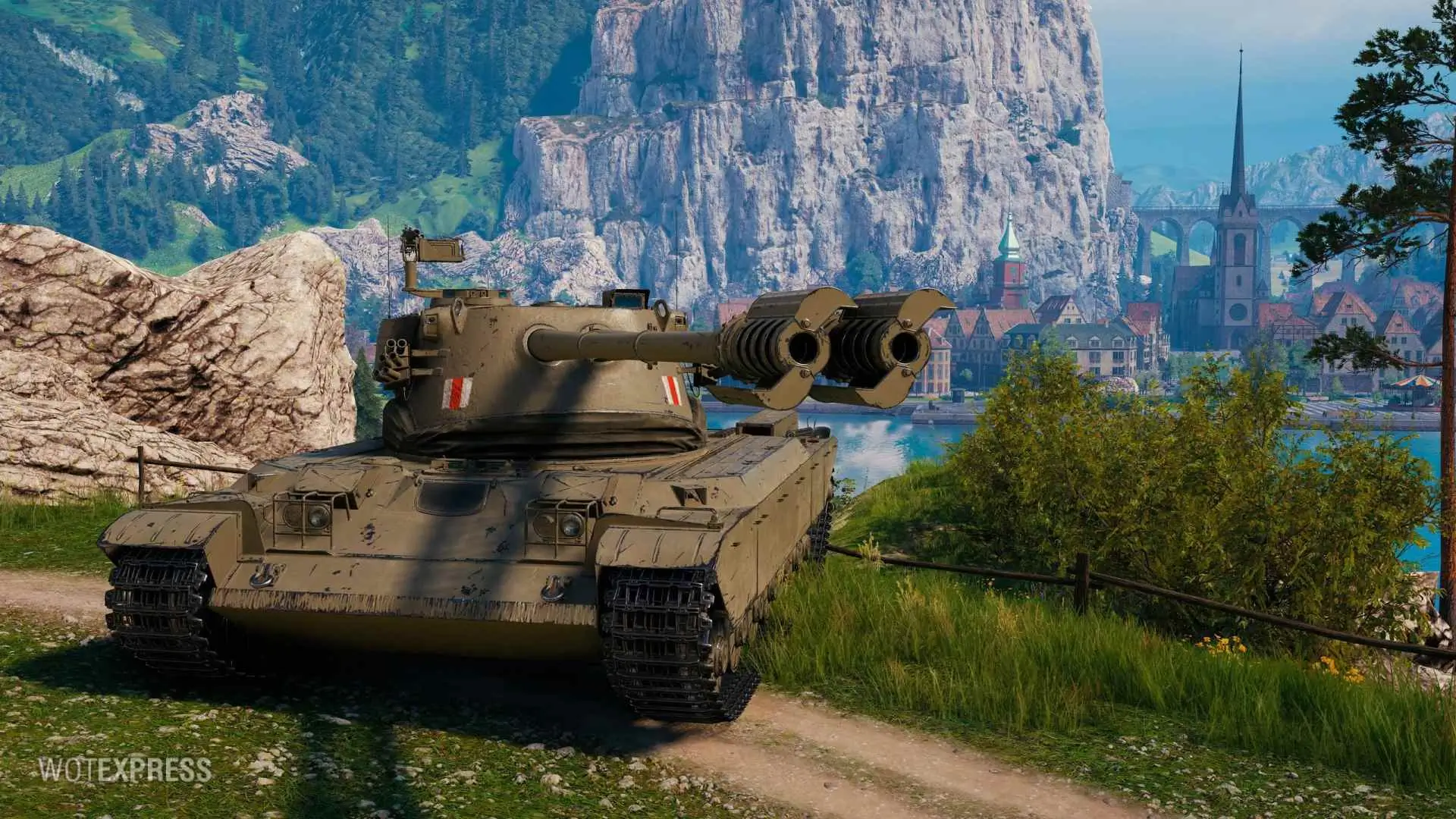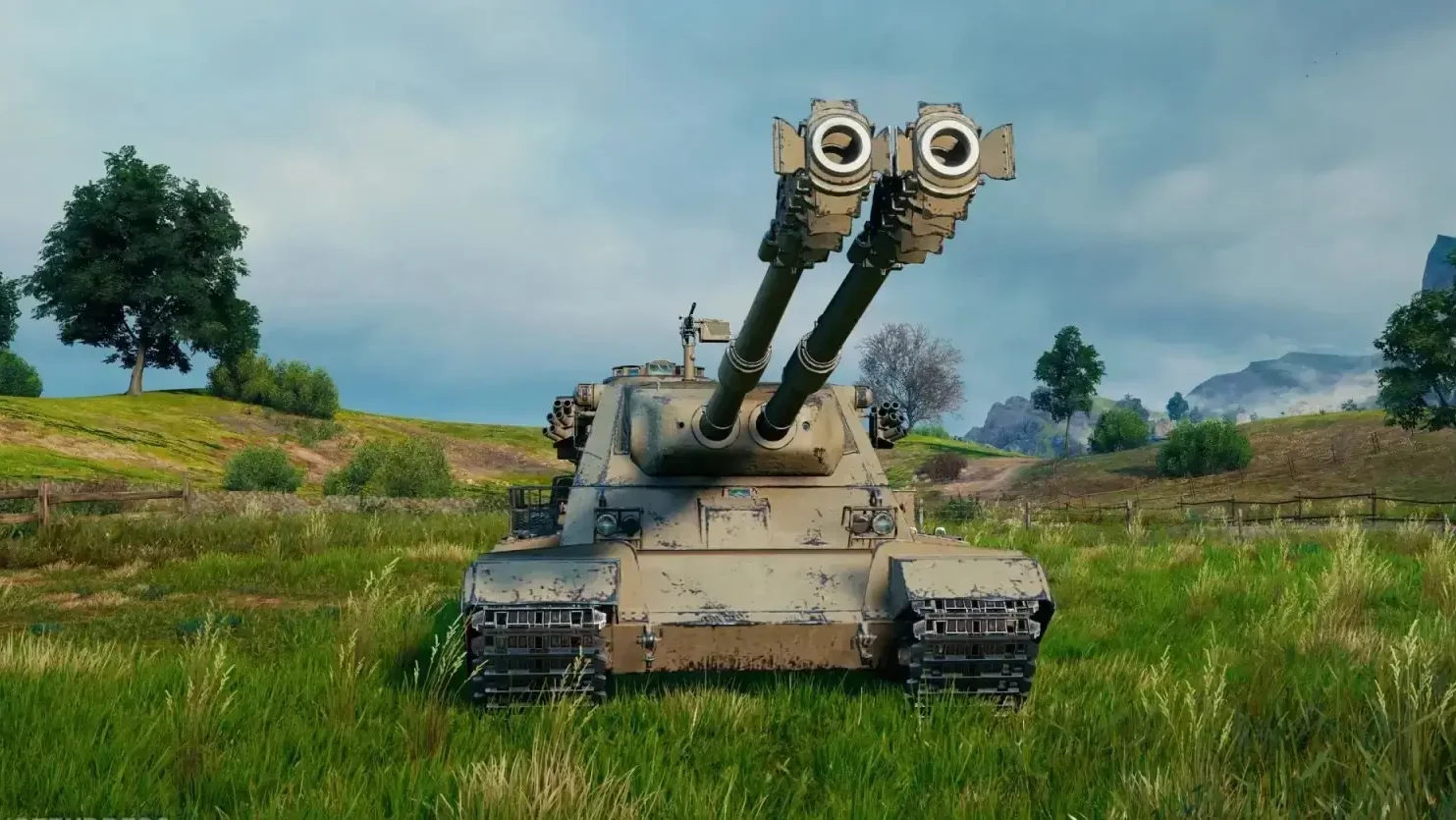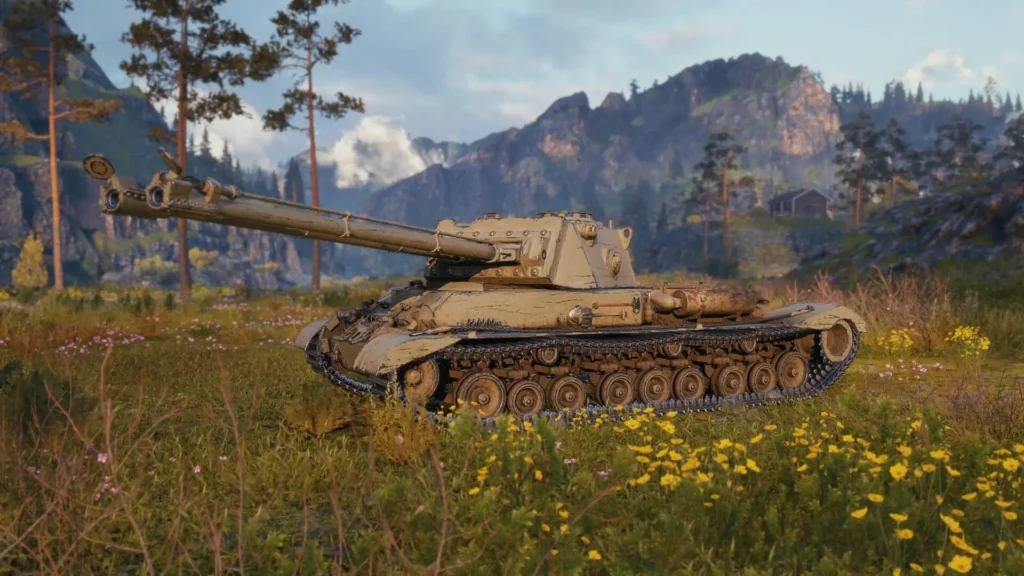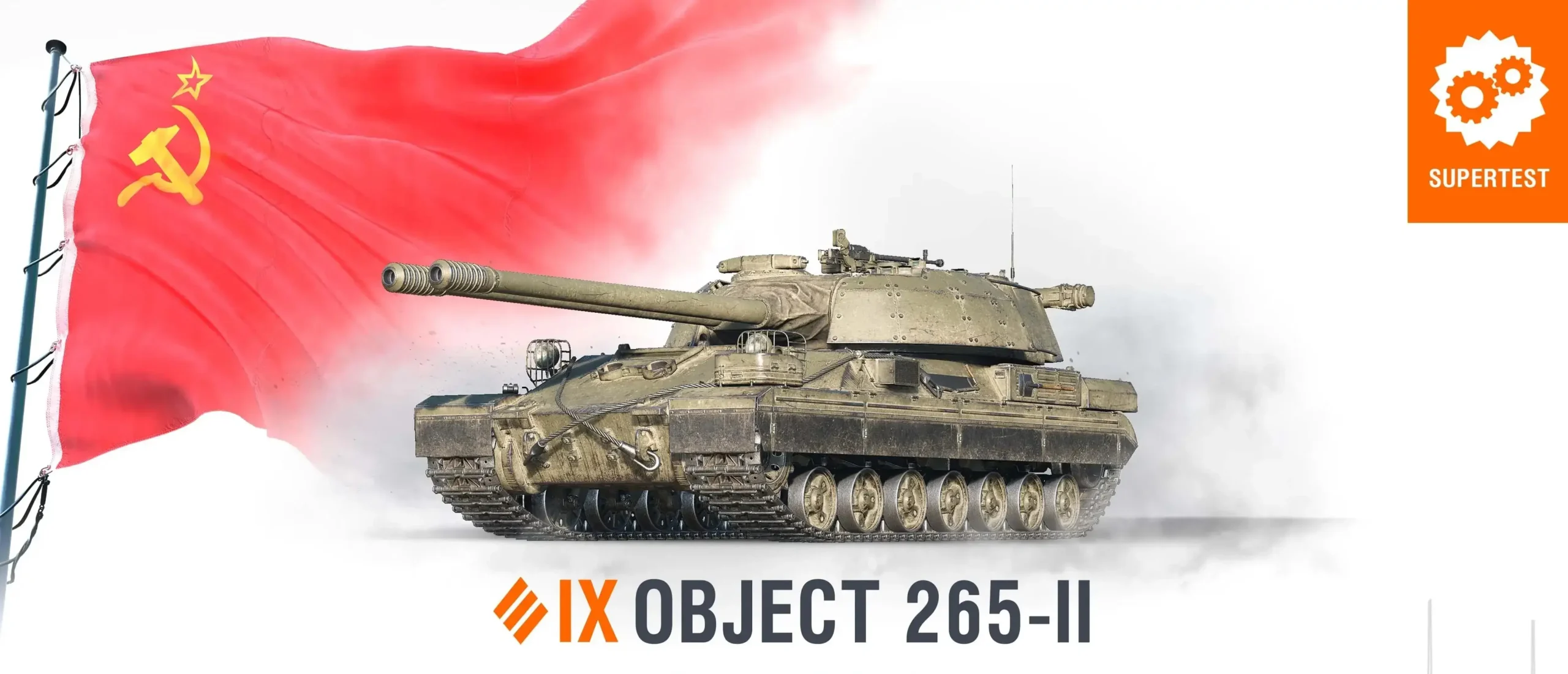
The World of Tanks Supertest has welcomed a formidable addition to the Soviet heavy tank lineup: the Object 265-II, a Tier IX assault heavy tank whose defining characteristic is its twin 122mm gun configuration. For players who appreciate Soviet armor philosophy and want something fundamentally different from the reverse autoloader Object 265T, the Object 265-II offers a compelling alternative built around devastating double-shot firepower, impenetrable frontal protection, and rear-turret side-scraping dominance.
Twin 122mm Guns: Double Devastation
The Object 265-II’s primary identity revolves around its unique dual-gun system:
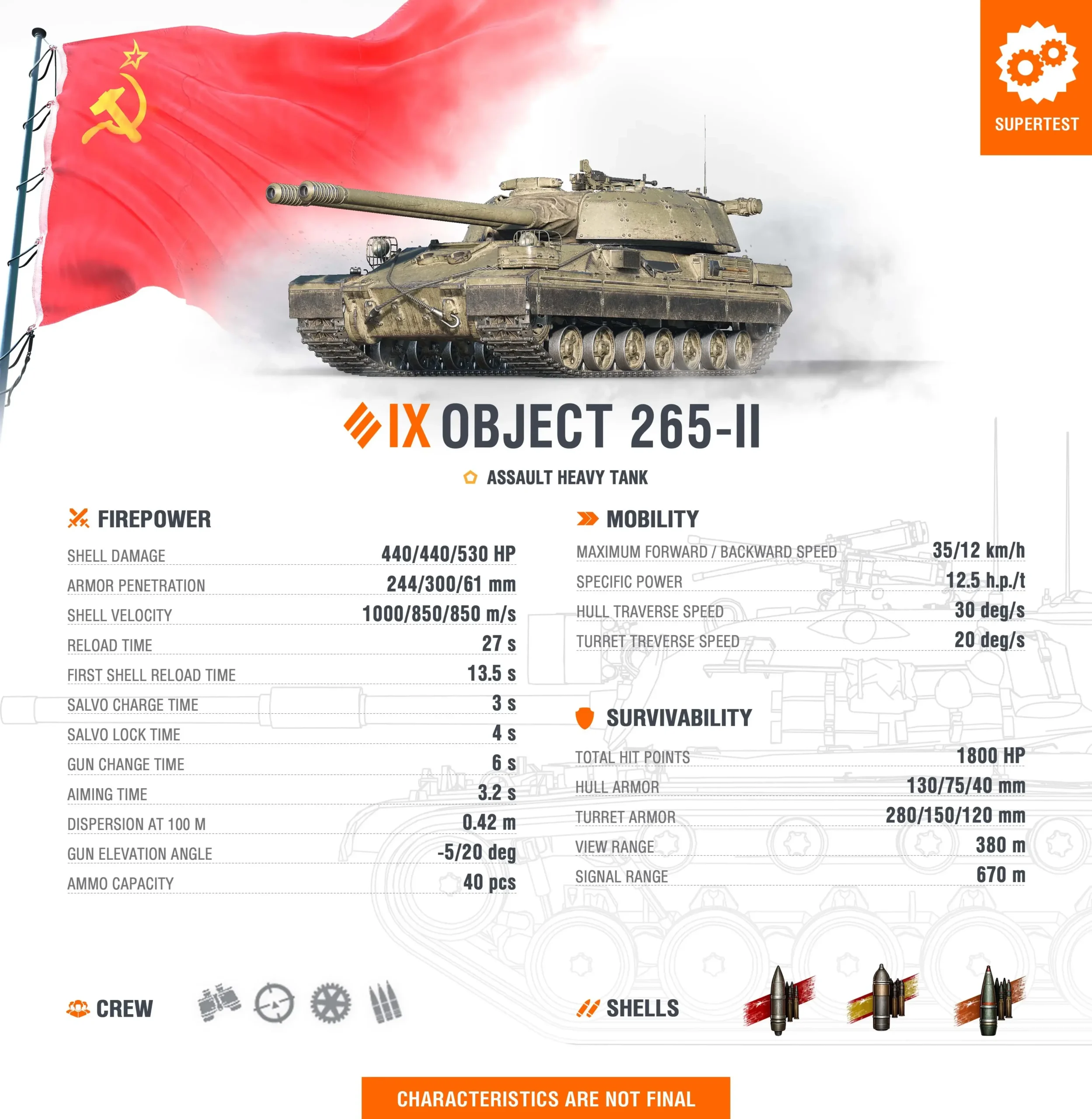
Two Formidable 122mm Guns: The Object 265-II is equipped with twin 122mm cannons mounted side-by-side, each capable of firing independently or together in devastating salvo mode. This dual-weapon system is the vehicle’s defining characteristic and creates gameplay unlike any other Soviet heavy tank.
440 HP Per Gun: Each 122mm gun delivers 440 HP of damage per shot, matching the alpha of conventional Soviet 122mm weapons. When firing guns independently, the Object 265-II functions similarly to traditional Soviet heavies but with doubled firepower potential.
880 HP Salvo Mode: When both guns fire simultaneously in salvo mode, the Object 265-II delivers a crushing 880 HP of damage in a single devastating burst. This alpha damage is exceptional for Tier IX and rivals the firepower of Tier X super-heavy tanks.
3-Second Salvo Preparation: Activating salvo mode requires a 3-second preparation time before both guns can fire together. This mechanic demands anticipation and tactical planning—commanders must predict when the massive burst damage will be needed and prepare accordingly.
Massive Damage Potential: The twin-gun system enables the Object 265-II to deliver damage in ways unavailable to conventional heavy tanks. Fire guns independently for consistent DPM, or coordinate salvos for devastating burst damage when opportunities arise.
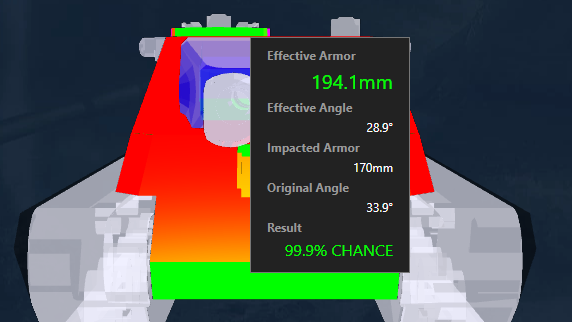
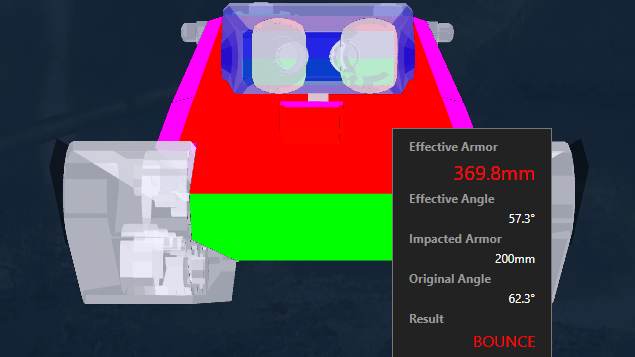
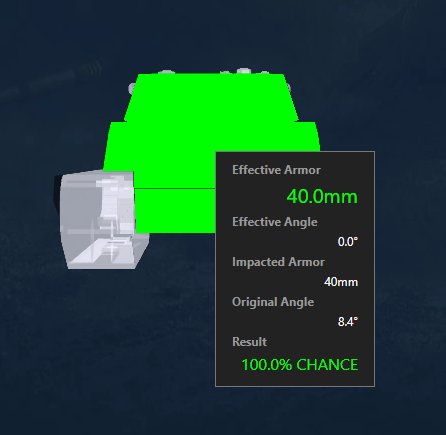
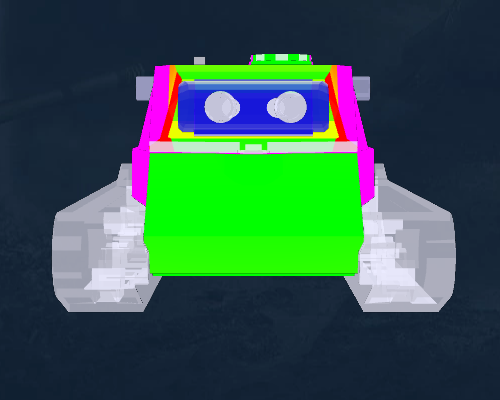
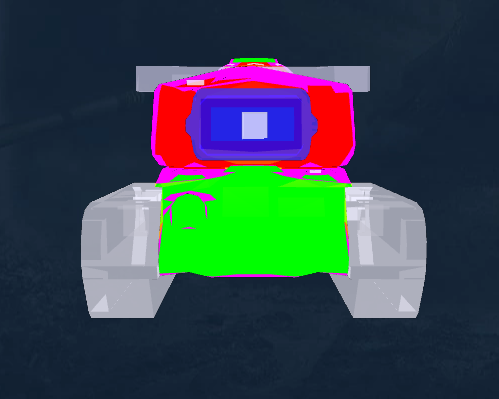
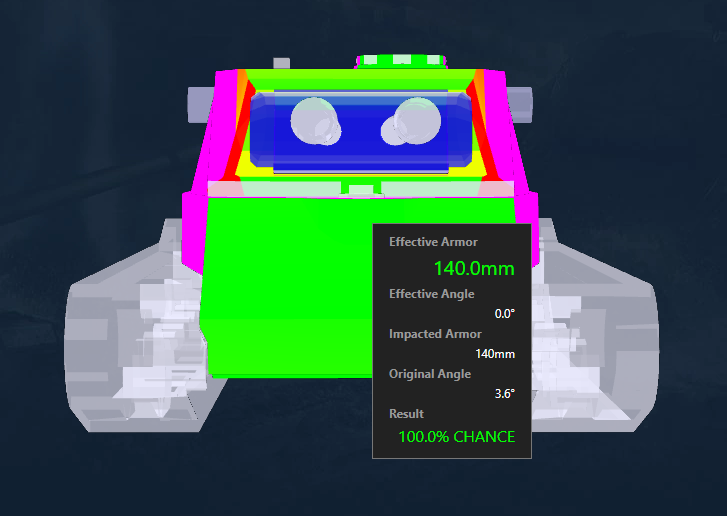
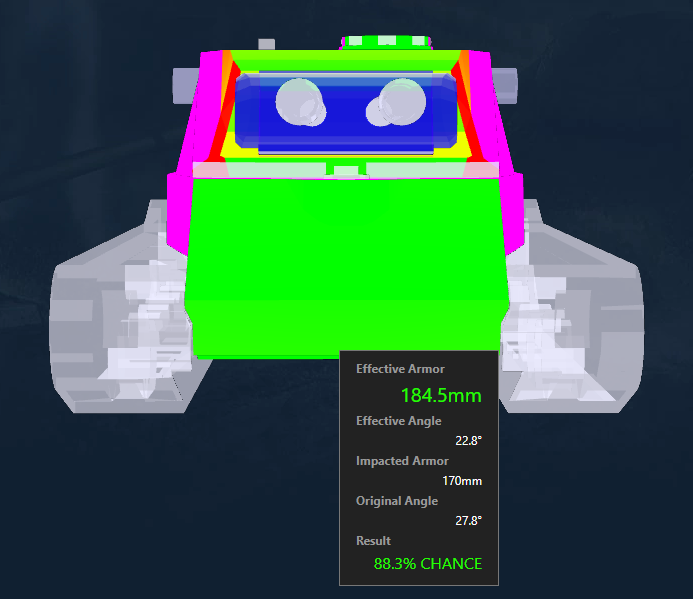
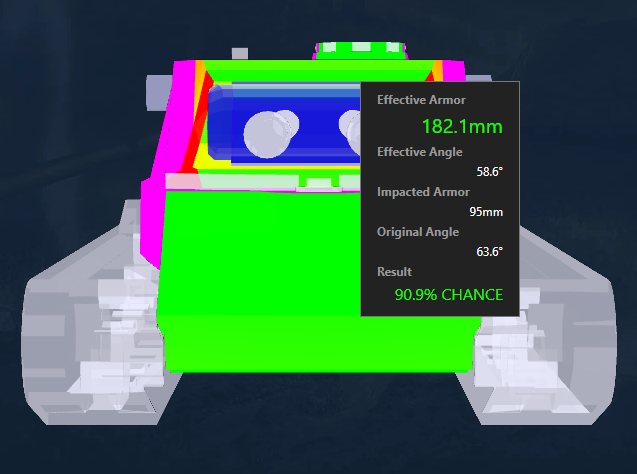
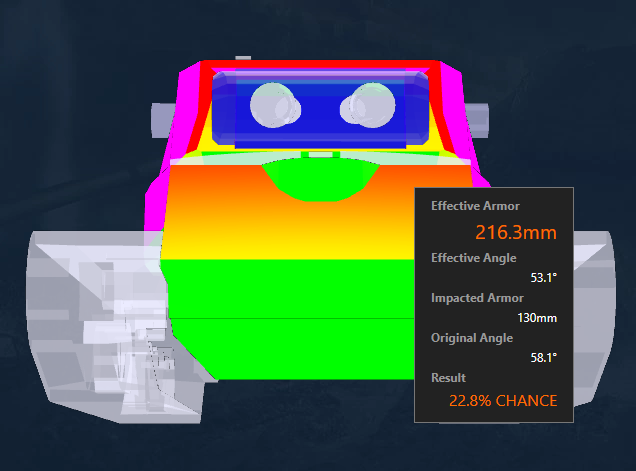
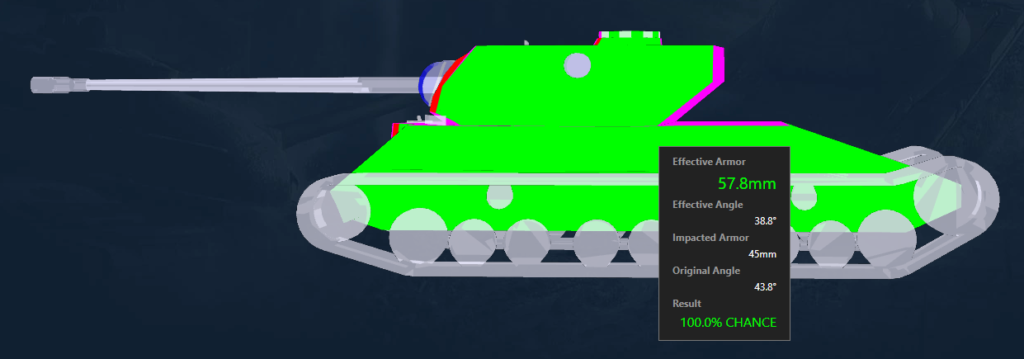
Excellent Hull and Turret Armor: Fortress-Level Protection
The Object 265-II brings exceptional armor protection:
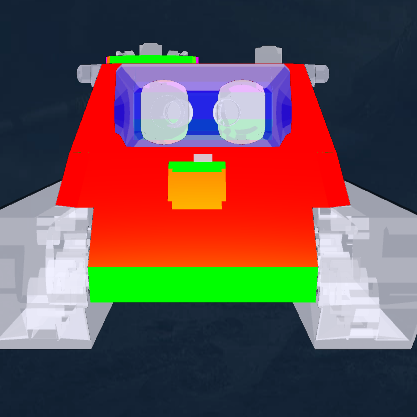
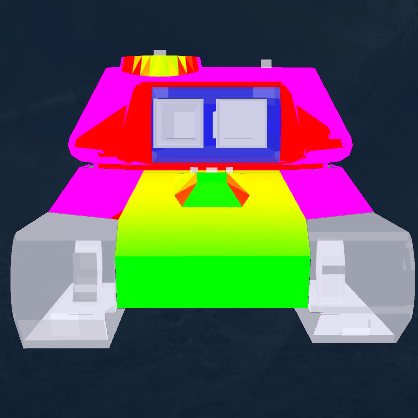
Excellent Hull Armor: The hull armor is described as “excellent,” suggesting thick, well-angled protection that can withstand standard ammunition from Tier IX opponents and potentially resist even premium rounds when properly positioned.
Excellent Turret Armor: The turret protection is equally formidable, creating a vehicle that can confidently hold positions knowing that frontal engagements will likely result in bounces rather than penetrations.
Position-Holding Capability: The combination of excellent hull and turret armor enables the Object 265-II to “confidently hold positions,” anchoring defensive lines and resisting enemy pushes through sheer durability.
Assault Heavy Classification: The “assault heavy tank” designation indicates the Object 265-II is designed to advance under fire, using its exceptional armor to absorb shots while closing to positions where its twin guns can deliver devastating damage.
Frontal Confrontation Excellence: The armor profile suggests the Object 265-II excels in direct frontal engagements where opponents must challenge its strongest protection while risking 880 HP salvo responses.
Rear-Mounted Turret: Side-Scraping Dominance
The Object 265-II’s turret placement creates specific tactical advantages:
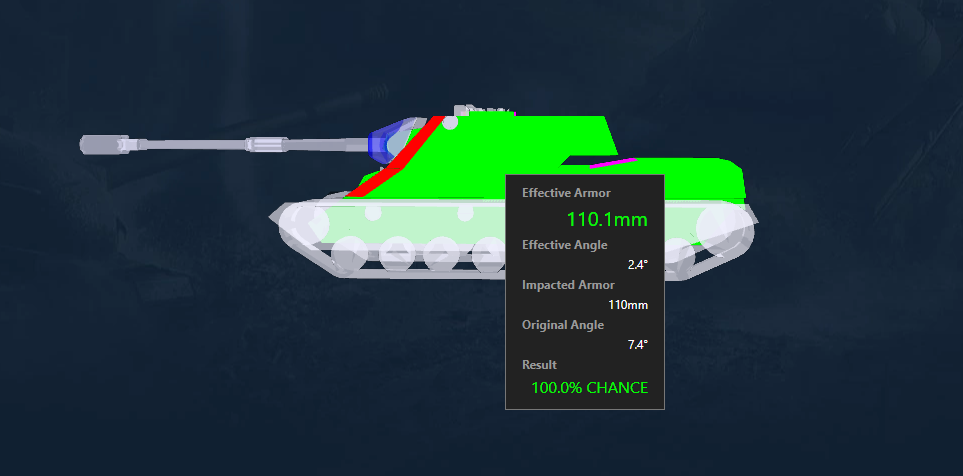
Rear-Mounted Turret Configuration: The turret is positioned toward the rear of the hull rather than centered, creating unique geometry that fundamentally changes how the vehicle uses cover and angles its armor.
Side-Scraping Convenience: The rear-mounted turret makes “side-scraping tactics more convenient” by enabling the Object 265-II to expose minimal hull surface while keeping the guns trained on enemies. This geometry creates exceptional corner-fighting capability.
Corner Control: When positioned at corners with the rear-turret geometry, the Object 265-II can fire around obstacles while exposing only the heavily-armored side and turret, protecting the hull from direct fire.
Urban Combat Excellence: On city maps and close-quarters environments where corner fighting dominates, the rear-turret configuration transforms the Object 265-II into a nearly unstoppable position-holder.
Geometric Advantage: The rear-turret placement enables firing angles and cover usage that center-turret or forward-turret vehicles cannot replicate, creating tactical options unique to this design philosophy.
Limited Mobility: Deliberate Positioning
The Object 265-II’s mobility characteristics demand careful initial positioning:
35 km/h Maximum Forward Speed: The top speed is notably limited for Tier IX, restricting the Object 265-II’s ability to rapidly relocate or respond to developing battlefield situations. This vehicle commits to positions more than most contemporaries.
12 km/h Reverse Speed: The reverse speed is poor even by Soviet heavy tank standards, making extraction from unfavorable positions extremely difficult. Once committed, the Object 265-II struggles to retreat safely.
Limited Mobility Classification: The explicitly mentioned “limited mobility” indicates this vehicle prioritizes armor and firepower over maneuverability. The Object 265-II advances deliberately rather than racing to positions.
Direction Commitment: The limited mobility means “it’s important to make the most of the direction you choose at the start of battle.” Initial positioning decisions carry enormous weight since correcting mistakes is time-consuming and dangerous.
Slow but Steady: The Object 265-II embodies the Soviet heavy tank philosophy of trading speed for protection and firepower. It arrives late to positions but holds them absolutely once established.
Poor Gun Performance: The Firepower Trade-Off
The devastating twin guns come with significant handling limitations:
Very Long Aim Time: The Object 265-II suffers from “very long” aim time, making snapshot accuracy poor and requiring extended exposure to achieve fully-aimed shots. This characteristic forces patient, deliberate gameplay.
Very Poor Dispersion: 0.42: The accuracy value of 0.42 is abysmal for Tier IX, creating significant frustration at medium-to-long ranges where shells frequently miss even when fully aimed. The Object 265-II must operate at close range to land shots reliably.
Close-Range Optimization: The combination of very long aim time and 0.42 dispersion forces the Object 265-II into close-quarters combat where the gun handling limitations are less punishing and the devastating 880 HP salvos are most reliable.
Patience Requirement: Poor gun performance demands extreme patience. Rushing shots wastes the devastating firepower potential, while waiting for full aim can expose the vehicle to unnecessary return fire.
Accuracy Frustration: The 0.42 dispersion creates frustrating moments where perfectly positioned shots miss due to bloom, particularly when engaging moving targets or firing at medium ranges.
5 Degrees Gun Depression: Terrain Limitations
The Object 265-II struggles with terrain exploitation:
Low Gun Depression: 5 Degrees: The limited -5° gun depression is poor even by Soviet standards and “makes terrain utilization difficult,” forcing the Object 265-II into flat-ground engagements where its armor can compensate.
Ridge-Line Inability: The limited depression prevents effective ridge-line fighting, denying the Object 265-II access to hull-down positions that would leverage its excellent turret armor while protecting the hull.
Flat-Ground Preference: The Object 265-II performs best on flat terrain and in urban environments where gun depression is less critical and the vehicle can leverage its exceptional armor and rear-turret side-scraping advantages.
Positioning Constraints: Hills, slopes, and uneven terrain create firing difficulties that force the Object 265-II into suboptimal positions or complete withdrawal from otherwise advantageous areas.
Soviet Heavy Tradition: The limited gun depression continues the traditional Soviet heavy tank design philosophy, prioritizing armor and firepower over terrain adaptability.
Salvo Fire Mode: Tactical Devastation
The twin-gun system’s salvo capability creates unique tactical opportunities:
3-Second Preparation Time: Activating salvo mode requires 3 seconds of preparation, during which both guns align for simultaneous fire. This preparation must occur before enemies present opportunities, requiring anticipation.
880 HP Burst Damage: The salvo delivers massive damage in a single moment—sufficient to destroy many wounded opponents outright or severely cripple full-health targets.
Psychological Impact: The threat of an 880 HP salvo creates enormous psychological pressure. Opponents facing the Object 265-II must constantly consider whether peeking will result in a devastating double-gun strike.
Mode Management: Commanders must decide when to fire guns independently for sustained DPM versus preparing salvos for maximum burst damage. This decision-making is central to effective Object 265-II gameplay.
Finishing Power: The 880 HP salvo is perfectly positioned to eliminate wounded enemies who might otherwise escape. Targets sitting at 900 HP or below can be deleted in a single coordinated strike.
Methodical Frontline Pressure
The Object 265-II’s design philosophy emphasizes deliberate, armor-supported advances:
Position-Holding Excellence: The combination of excellent armor and devastating firepower enables the Object 265-II to “confidently hold positions,” anchoring defensive lines and resisting enemy pushes.
Assault Heavy Identity: The Object 265-II is designed to advance under fire, using its exceptional protection to absorb shots while moving into positions where its twin guns create overwhelming local superiority.
Direction Commitment: Limited mobility forces careful initial planning. Choose a direction at battle start, commit to it, and dominate that area through superior armor and firepower rather than attempting flexible repositioning.
Corner Control: The rear-turret configuration excels at corner fighting and side-scraping. Position at critical corners and deny enemy access through devastating 880 HP salvos when they attempt to push.
Armor-Supported Gameplay: The excellent armor enables aggressive positioning that would be suicidal for less protected vehicles. Trust the armor, advance confidently, and punish enemies who challenge your position.
Tactical Considerations
The Object 265-II’s unique characteristics create specific tactical opportunities:
Salvo Preparation Timing: Anticipate when enemies will peek and prepare salvos before they appear. The 3-second preparation time demands prediction rather than reaction.
Corner Positioning: Leverage the rear-turret geometry by positioning at corners where side-scraping creates maximum advantage. The Object 265-II dominates corner fights.
Range Management: Accept the poor gun performance and operate at close range where accuracy matters less. The Object 265-II is a close-quarters brawler, not a sniper.
Initial Direction Selection: Choose your starting direction carefully based on map, team composition, and enemy lineup. The limited mobility makes changing your mind mid-battle nearly impossible.
Independent vs. Salvo Fire: Fire guns independently for sustained DPM against multiple targets or when salvo overkill is likely. Reserve salvos for critical moments or high-value targets.
Playstyle Implications
The Object 265-II rewards commanders who embrace patient, armor-supported brawling:
Patience Over Impulse: Poor gun handling punishes hasty shots. Wait for full aim despite the long aim time—landing devastating hits matters more than firing frequently.
Armor Trust: The excellent armor enables aggressive plays. Don’t hide—advance, absorb fire, and deliver crushing responses through the twin guns.
Terrain Acceptance: Accept the 5-degree depression limitation and avoid hills or slopes. Seek flat ground and urban areas where the Object 265-II’s strengths dominate.
Salvo Discipline: Don’t waste 880 HP salvos on low-HP targets or fully-armored opponents. Reserve massive burst damage for medium-HP enemies or critical position-breaking moments.
Commanders looking to master the Object 265-II should consider:
- Planning initial direction based on map terrain—favor flat areas and avoid hilly maps
- Practicing salvo preparation timing to have devastating firepower ready when enemies peek
- Mastering rear-turret side-scraping geometry to dominate corner fights
- Accepting poor gun handling and operating at close range where accuracy limitations matter less
- Trusting the excellent armor to advance confidently under fire
- Managing independent gun fire versus coordinated salvos based on battlefield situations
- Committing to positions knowing retreat is difficult with 12 km/h reverse speed
- Understanding that the 5-degree depression prevents effective ridge-line fighting
Community Reception
Initial community reactions to the Object 265-II reveal polarized perspectives:
“Better Than Object 265T”: Community comments immediately noted the Object 265-II “is literally just better original – obj 265T, just by having 440dmg instead of 390,” suggesting the twin-gun system with higher alpha is viewed favorably compared to the reverse autoloader variant.
Gun Handling Concerns: Vortex Gaming’s assessment that “its aim time is very long and dispersion is very poor at 0.42” combined with “its slow mobility and poor gun performance” leading to it being “challenging to play” generated discussions about whether the devastating firepower compensates for severe handling limitations.
Twin-Gun Interest: The dual 122mm configuration generated significant enthusiasm, with players viewing the twin-barrel system as creating genuinely unique gameplay compared to standard heavy tanks.
Mobility Criticism: The 35 km/h forward and 12 km/h reverse speeds drew immediate criticism, with concerns that the limited mobility combined with poor gun handling creates frustrating experiences where the vehicle struggles to reach effective positions.
“Flood of Tanks” Fatigue: Community comments noted frustration with “a flood of tanks being spammed” while core game issues remain unaddressed, viewing the Object 265-II as part of a broader pattern rather than a welcome addition.
What Sets the Object 265-II Apart
The Object 265-II occupies a unique position in the Tier IX heavy tank landscape:
Twin-Gun System: The dual 122mm configuration with independent fire and coordinated salvo modes creates gameplay fundamentally different from conventional single-gun heavy tanks.
880 HP Salvo Devastation: The ability to deliver 880 HP of damage in a single coordinated strike is nearly unmatched at Tier IX and rivals Tier X super-heavy firepower.
Rear-Turret Side-Scraping: The rear-mounted turret configuration creates side-scraping geometry unavailable to center-turret or forward-turret vehicles, enabling unique corner-fighting advantages.
Excellent All-Around Armor: The combination of excellent hull and turret armor creates a vehicle that confidently holds positions through sheer durability rather than mobility or gun depression.
Extreme Specialization: The Object 265-II represents extreme specialization—devastating in close-quarters corner fights on flat terrain, but severely handicapped on open maps or hilly terrain where its limitations dominate.
What’s Next?
As a Supertest vehicle, the Object 265-II’s characteristics remain subject to adjustment. Key questions for testing include:
- Will the 0.42 dispersion be improved to reduce frustration, or is this the intended trade-off for 880 HP salvos?
- Can the aim time be shortened to enable more responsive gameplay?
- Does the 35 km/h mobility enable the Object 265-II to reach effective positions before battles develop?
- Will the 5-degree gun depression be increased to improve terrain versatility?
- How do the reload timings work for independent fire versus salvo mode?
- Will this be a premium vehicle, reward tank, or alternative branch to the Object 265T?
- Can the Object 265-II perform adequately on open or hilly maps where its limitations are most pronounced?
Final Thoughts
The Object 265-II represents one of the most specialized vehicles to enter World of Tanks Supertest. By combining twin 122mm guns capable of devastating 880 HP salvos with excellent armor and rear-turret side-scraping geometry, Wargaming has created a vehicle that absolutely dominates in its preferred element—close-quarters urban combat on flat terrain—while struggling significantly outside these conditions.
For commanders who appreciate position-holding gameplay, enjoy devastating burst damage, and can work within severe mobility and gun handling limitations, the Object 265-II offers unique appeal. The twin-gun system creates tactical decisions unavailable to conventional heavy tanks, and the 880 HP salvo potential provides finishing power that can change battle outcomes in single moments.
However, the Object 265-II demands enormous compromises. The 0.42 dispersion is genuinely terrible and creates frustrating missed shots even at close range. The very long aim time forces extended exposure to achieve fully-aimed accuracy. The 35 km/h forward and 12 km/h reverse speeds create positioning commitment that punishes mistakes severely. The 5-degree gun depression prevents effective terrain exploitation and forces the vehicle into flat-ground engagements where its advantages matter most.
The initial direction commitment requirement—choosing where to fight at battle start and being locked into that decision—creates high-pressure strategic choices where poor reads of battlefield development lead to ineffective battles. Maps with abundant hills, long sight lines, or open terrain will likely generate frustrating experiences where the Object 265-II’s limitations overwhelm its strengths.
Whether you’re excited about twin 122mm guns delivering 880 HP salvos or skeptical about whether excellent armor compensates for terrible gun handling and limited mobility, the Object 265-II undeniably offers something extreme. If Wargaming successfully balances the gun performance, mobility, and specialization trade-offs, the Object 265-II could become a cult favorite for players who enjoy dominating specific map types and tactical situations absolutely.
For those who have wanted a Soviet heavy tank with devastating burst damage and impenetrable armor, accepting severe limitations as the price, the Object 265-II might be exactly what you’ve been waiting for.
Characteristics Are Not Final — all information sourced from World of Tanks Supertest announcements.