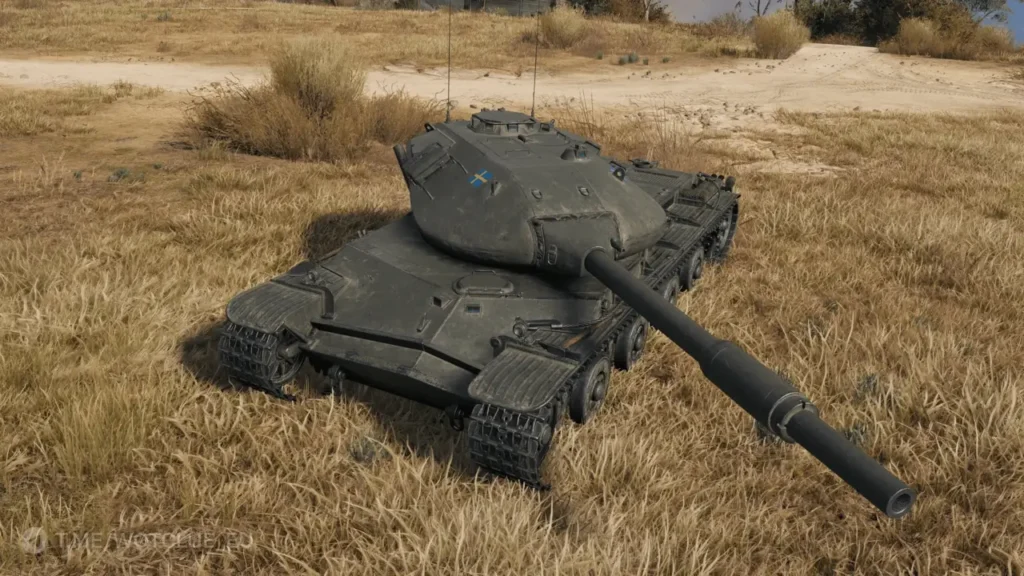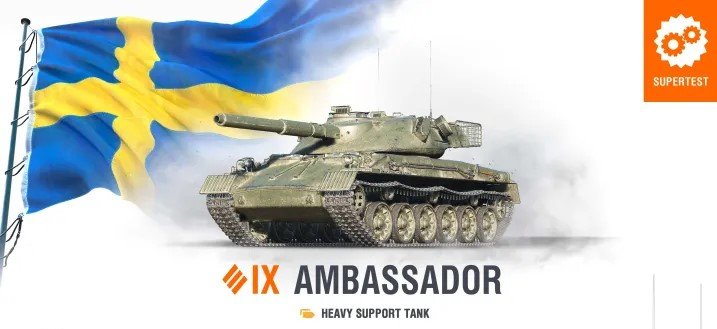
The World of Tanks Supertest has welcomed an intriguing addition to the Swedish heavy tank lineup: the Ambassador, a Tier IX support heavy tank whose defining characteristic is its balanced four-shell autoloader system paired with the legendary Swedish gun depression. For players who appreciate Swedish armor philosophy but want something fundamentally different from the siege mode mechanics of the UDES and Kranvagn lines, the Ambassador offers a compelling package built around rapid clip deployment, quick recovery, and relentless hull-down pressure.
Four-Shell Autoloader: Balanced Burst Damage
The Ambassador’s primary identity revolves around its autoloader system:
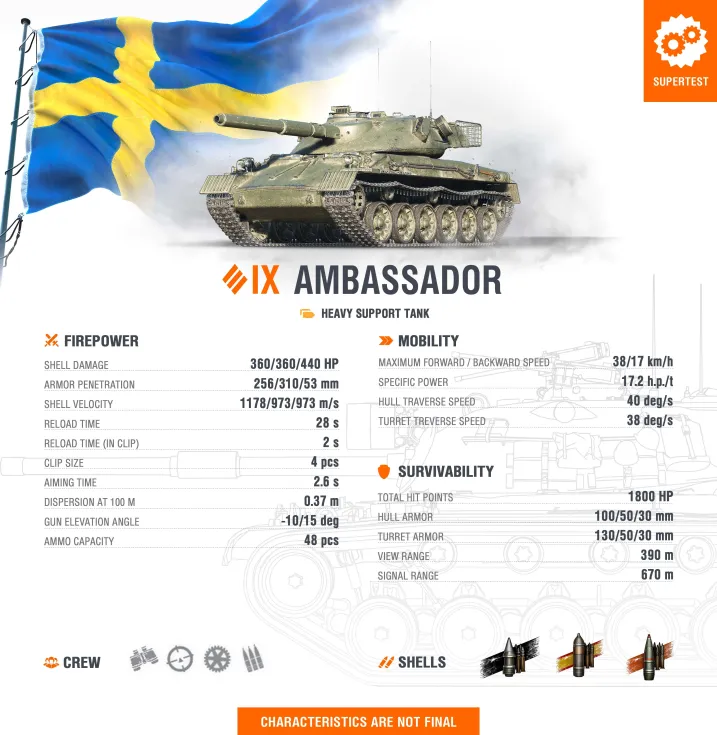
Four-Shell Clip Capacity: The 105mm gun is equipped with a four-round autoloader that enables rapid burst damage delivery. While not as devastating as larger-caliber autoloaders, the four-shell capacity provides meaningful alpha without excessive commitment.
360 HP Per Shot: Each shell delivers 360 HP of damage, creating a potential 1,440 HP burst when the full clip is deployed. This total clip damage is respectable for Tier IX and sufficient to eliminate many wounded opponents or severely punish exposed enemies.
2-Second Intra-Clip Reload: The rapid 2-second reload between shells within the clip enables fast damage delivery. The entire four-shell burst can be deployed in approximately 8 seconds, making the Ambassador deadly in short engagement windows.
28-Second Full Reload: Unlike autoloaders with punishing 40+ second reload times, the Ambassador’s 28-second full magazine reload is remarkably short. This characteristic enables the vehicle to maintain consistent pressure without extended periods of complete vulnerability.
Sustained Pressure Capability: The combination of rapid intra-clip reload and short full reload creates a heavy tank that can deliver burst damage, retreat briefly, and return to combat with a fresh clip faster than most autoloader contemporaries. This reload cycle supports the “support heavy” designation by enabling consistent contribution throughout engagements.
APCR Standard Ammunition: Premium Penetration by Default
The Ambassador brings exceptional standard shell performance:
256mm APCR Penetration: The standard ammunition is APCR with 256mm of penetration—values that would be premium rounds on many Tier IX vehicles. This penetration is sufficient to reliably engage the vast majority of targets without resorting to special ammunition.
310mm HEAT Premium Penetration: When facing heavily armored opponents or needing to penetrate specific weak spots, the 310mm HEAT premium round provides exceptional penetration capability. This value enables the Ambassador to challenge even super-heavy tanks in frontal engagements.
APCR Shell Velocity: APCR rounds travel at high velocities, reducing lead time on moving targets and making long-range engagements significantly easier. The shell velocity complements the support heavy role by enabling accurate fire at medium-to-long ranges where ridge-line positions excel.
Economic Standard Ammunition: The high penetration of the standard APCR round reduces reliance on expensive premium ammunition. Commanders can confidently use standard rounds in most situations, improving credit earnings and reducing per-battle operating costs.
Versatile Engagement Capability: The 256mm standard penetration opens viable frontline engagement options against targets that would force pure APCR-premium vehicles to load gold. The Ambassador can confidently participate in direct combat without constantly managing ammunition economics.
10-Degree Gun Depression: Ridge-Line Dominance
The Ambassador inherits Swedish heavy tank’s legendary terrain adaptation:
10-Degree Gun Depression: The exceptional -10° gun depression enables the Ambassador to leverage terrain features that are completely inaccessible to tanks with standard -5° to -6° depression. This capability is the cornerstone of the vehicle’s tactical identity.
Ridge-Line Fighting Excellence: The combination of 10° depression and a four-shell autoloader creates devastating ridge-line fighting capability. The Ambassador can crest hills, deploy its entire clip rapidly, and retreat to safety before opponents can respond effectively.
Minimal Exposure Requirement: Deep gun depression enables firing from positions where only the turret is visible, dramatically reducing the target profile and protecting the hull from return fire. This characteristic multiplies survivability in hull-down positions.
Versatile Terrain Exploitation: The Ambassador can fight effectively from slopes, hills, and uneven terrain that forces other heavy tanks into suboptimal flat-ground engagements. This versatility provides significant tactical advantages on maps with elevation changes.
Swedish Design Philosophy: The 10° gun depression continues the Swedish heavy tank tradition of compensating for armor limitations with superior positioning capabilities and terrain exploitation. The Ambassador thrives where geography creates firing opportunities.
Decent Mobility: Responsive Repositioning
The Ambassador offers solid mobility for a Tier IX heavy tank:
38 km/h Maximum Forward Speed: The top speed is competitive for a support heavy tank, enabling the Ambassador to keep pace with medium tank movements and respond to developing battlefield situations in a timely manner.
17.2 hp/t Specific Power: The power-to-weight ratio provides responsive acceleration and adequate cross-country mobility. The Ambassador won’t feel sluggish when moving between ridge-line positions or relocating to support different flanks.
Repositioning Flexibility: The decent mobility supports the support heavy role by enabling the Ambassador to respond to changing battlefield conditions. If one flank collapses or opportunities develop elsewhere, the vehicle can reposition to provide its four-shell burst damage where needed.
Tactical Mobility: While not matching the speed of mediums or light heavies, the Ambassador’s mobility is sufficient for opportunistic flanking maneuvers, reaching key ridge-line positions early in battles, and extracting from unfavorable situations when necessary.
Swedish Heavy Improvement: Compared to the siege-mode heavies like the Kranvagn that sacrifice mobility for armor transformation, the Ambassador maintains consistent mobility throughout the battle, supporting more dynamic and adaptive gameplay.
Support Heavy Tank Classification: Team-Oriented Design
The Ambassador’s design philosophy emphasizes team support over solo carrying:
Support Role Identity: The “support heavy tank” classification indicates the Ambassador is designed to complement teammates rather than anchor defensive positions alone. The four-shell autoloader excels at finishing damaged opponents and punishing enemies who expose themselves to engage teammates.
Burst Damage on Demand: The rapid clip deployment enables the Ambassador to deliver concentrated damage during brief windows when enemies are distracted or committed to engagements with teammates. This opportunistic damage contribution is the essence of support play.
Quick Reload Advantage: The 28-second full reload is short enough that the Ambassador rarely becomes a liability after expending its clip. Unlike autoloaders with 40+ second reloads that must hide for extended periods, the Ambassador can remain engaged and contribute within reasonable timeframes.
Ridge-Line Support: The exceptional gun depression enables the Ambassador to provide supporting fire from positions where traditional heavy tanks cannot operate effectively. This positional flexibility creates crossfire opportunities and denies terrain to opponents.
Sustained Contribution: The combination of short clip deployment time and relatively brief full reload creates a vehicle that maintains consistent damage output throughout battles rather than delivering one massive burst and disappearing for extended periods.
Penetration and Shell Performance
The Ambassador’s ammunition characteristics enable confident engagement:
256mm Standard APCR Performance: The standard penetration is sufficient to engage most Tier IX targets reliably and even penetrate many Tier X opponents in standard engagements. This capability reduces frustration and improves consistency.
310mm HEAT for Tough Targets: When facing super-heavy tanks or needing to penetrate specific heavily-armored positions, the 310mm HEAT premium ammunition provides reliable penetration without requiring perfect weak spot aiming.
APCR Shell Characteristics: APCR rounds maintain velocity better over distance compared to standard AP shells, improving accuracy at range and reducing the need for excessive lead on moving targets. This shell type complements the ridge-line fighting role.
Consistent Performance: The high standard penetration eliminates the frustrating experience of bouncing shots off targets that appear vulnerable, enabling commanders to focus on positioning and target selection rather than constant ammunition-type micromanagement.
Economic Efficiency: The ability to use standard ammunition against most targets improves credit earnings, making the Ambassador more sustainable for players without premium accounts or extensive credit reserves.
Methodical Frontline Pressure
The Ambassador’s design supports calculated, position-focused gameplay:
Ridge-Line Priority: Success with the Ambassador requires identifying and controlling key ridge-line positions where the 10° gun depression creates maximum advantage. These positions transform the vehicle from good to exceptional.
Clip Management Discipline: The four-shell clip requires intelligent deployment. Wasting the clip on low-value targets or firing at enemies about to take cover wastes the Ambassador’s burst potential and creates unnecessary vulnerability during reload.
Team Coordination: The support heavy classification performs best when coordinating with teammates. Communicating clip status, targeting wounded enemies teammates are engaging, and timing burst damage with team pushes maximizes impact.
Calculated Aggression: The 28-second reload is short enough to enable aggressive plays that would be suicide for traditional autoloaders. The Ambassador can commit clips more freely, knowing it will return to combat readiness relatively quickly.
Terrain-Dependent Performance: The Ambassador’s effectiveness varies dramatically based on terrain availability. On flat, open maps, the vehicle underperforms. On maps with abundant hills, ridges, and elevation changes, it becomes dominant.
Tactical Considerations
The Ambassador’s unique characteristics create specific tactical opportunities:
Early Ridge Control: Use the decent mobility to reach premium ridge-line positions early in battles. Controlling these positions before opponents arrive creates significant advantages that can last entire engagements.
Clip Timing: Deploy clips when opponents are committed to other engagements, crossing open ground, or repairing. These moments of vulnerability create opportunities for unpunished burst damage delivery.
Reload Position Safety: During the 28-second reload, retreat fully behind hard cover. Even with a relatively short reload, maintaining hull-down discipline during this window is essential to survivability.
Ammunition Selection: Use standard APCR against most targets to preserve credits and reserve HEAT for heavily armored opponents or critical situations where penetration must be guaranteed.
Position Rotation: Don’t become predictable. The decent mobility enables moving between multiple ridge-line positions, preventing enemies from pre-aiming your location or coordinating pushes against your position.
Playstyle Implications
The Ambassador rewards commanders who embrace hull-down discipline and team-oriented play:
Hull-Down Mastery: Success requires understanding hull-down positioning fundamentals. The 10° gun depression creates opportunities, but proper execution—minimal exposure, cover discipline, retreat timing—determines effectiveness.
Patience Over Impulse: The four-shell autoloader tempts impulsive clip deployment. Resist this temptation. Wait for high-value targets or moments when the full burst can be delivered safely before committing the clip.
Team Awareness: Monitor teammate positions and enemy focus constantly. The Ambassador excels when enemies are distracted—firing at teammates, crossing open ground, or committed to other engagements. Capitalize on these moments.
Terrain Reading: Develop map knowledge focused on ridge-line positions and hull-down opportunities. Understanding where the Ambassador excels versus where it struggles directly impacts battle performance.
Commanders looking to master the Ambassador should consider:
- Learning premium ridge-line positions on each map where 10° depression creates overwhelming advantages
- Timing clip deployment to coincide with enemy vulnerability windows
- Maintaining strict hull-down discipline even during extended engagements
- Using the 28-second reload window to safely retreat and assess battlefield developments
- Coordinating with teammates to create crossfire opportunities from ridge positions
- Reserving HEAT ammunition for heavily armored targets rather than using it routinely
- Rotating between multiple ridge positions to remain unpredictable
- Understanding when to conserve the clip versus when aggressive deployment is justified
Community Reception
Initial community reactions to the Ambassador reveal diverse perspectives:
“Finally, a Non-Siege Swedish Heavy”: Many players expressed enthusiasm about a Swedish heavy tank without siege mode mechanics, viewing the Ambassador as a more conventional and accessible alternative to the UDES/Kranvagn line.
“Four Shells Seems Underwhelming”: Community discussion immediately focused on whether four shells provides sufficient burst damage compared to autoloaders with larger clips. Some questioned whether 1,440 HP total damage justifies the autoloader reload mechanics.
Depression Appreciation: The 10° gun depression generated universal praise, with commanders recognizing this characteristic as potentially the Ambassador’s most valuable asset and the feature that could elevate it beyond simple “average autoloader” status.
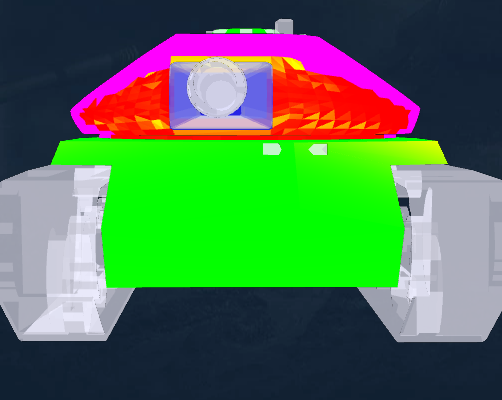
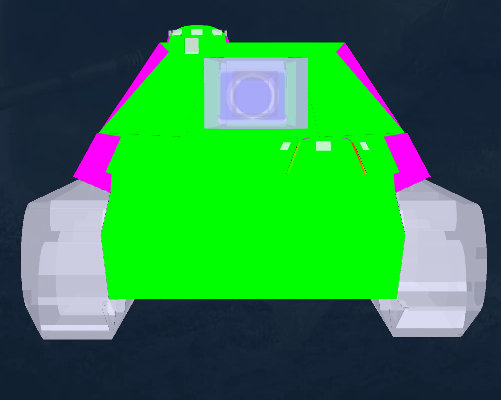
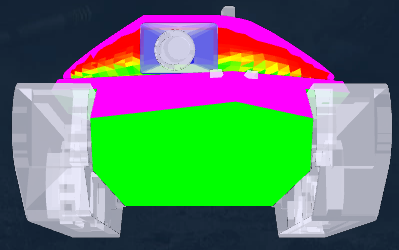
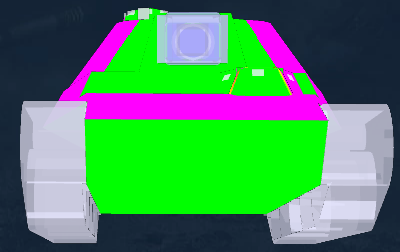
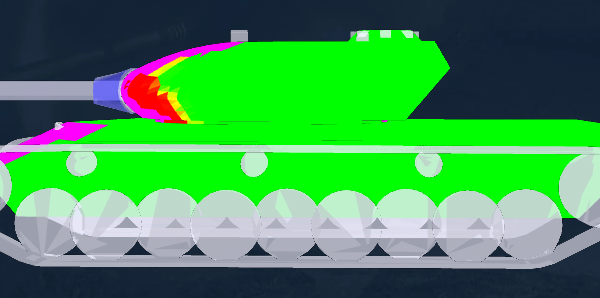
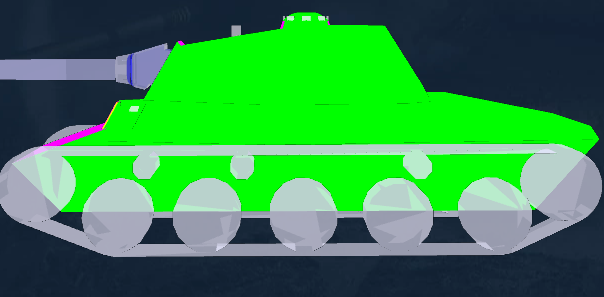
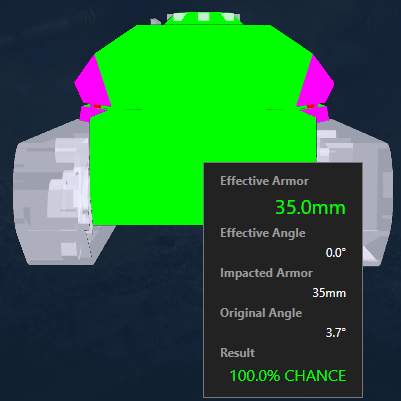
“No Armor” Concerns: Comments noted the absence of any mention of armor protection, leading to speculation that the Ambassador relies entirely on gun depression and mobility for survivability, potentially creating frustration in bottom-tier matchmaking.
Premium/Reward Speculation: With no tech tree placement mentioned, community speculation immediately turned to whether the Ambassador would be a premium vehicle, battle pass reward, or potential addition to an alternative Swedish heavy branch.
What Sets the Ambassador Apart
The Ambassador occupies a unique position in the Tier IX heavy tank landscape:
Swedish Depression Without Siege Mode: The Ambassador is the first Swedish heavy tank since Tier VII to offer exceptional gun depression without requiring siege mode activation, creating more fluid and responsive gameplay compared to the Kranvagn line.
Balanced Autoloader Philosophy: The four-shell clip with 28-second reload represents a middle ground between devastating but slow autoloaders and rapid-fire but low-alpha conventional guns, creating consistent burst damage without excessive vulnerability.
APCR Standard Ammunition: The 256mm APCR standard penetration is exceptional for Tier IX and reduces the economic pressure that plagues vehicles dependent on premium ammunition for reliable performance.
Support Heavy with Mobility: Unlike static support platforms, the Ambassador combines its support heavy classification with decent mobility, enabling responsive repositioning and adaptive gameplay rather than position commitment.
Ridge-Line Autoloader: The combination of 10° gun depression and rapid four-shell burst creates a vehicle that can exploit terrain in ways that differentiate it from both traditional autoloaders and conventional hull-down heavies.
What’s Next?
As a Supertest vehicle, the Ambassador’s characteristics remain subject to adjustment. Key questions for testing include:
- Is four shells sufficient burst damage, or should the clip be expanded to five or six shells?
- Does the 28-second reload appropriately balance the 1,440 HP clip potential?
- Will the Ambassador have meaningful armor, or does it rely entirely on gun depression for survivability?
- Is 256mm standard APCR penetration balanced at Tier IX, or does it create economic imbalance compared to AP-standard vehicles?
- Can the Ambassador perform adequately on flat maps where gun depression provides minimal advantage?
- Will this be a tech tree vehicle, premium, or reward tank?
- How will the Ambassador coexist with the Kranvagn and UDES 15/16 in the Swedish heavy lineup?
Final Thoughts
The Ambassador represents a thoughtful evolution of Swedish heavy tank design. By combining the nation’s legendary gun depression with a balanced autoloader system and exceptional standard ammunition penetration, Wargaming has created a vehicle that addresses many frustrations players experience with siege-mode mechanics while maintaining the hull-down excellence that defines Swedish armored warfare philosophy.
For commanders who appreciate ridge-line fighting, enjoy autoloader burst damage, and value consistent performance over extreme specialization, the Ambassador offers an appealing package. The 10° gun depression creates positioning opportunities unavailable to conventional heavy tanks, while the four-shell autoloader with 28-second reload enables sustained pressure without the extended vulnerability windows that plague traditional autoloaders.
However, the Ambassador will not suit every playstyle. Players who prefer heavily armored brawling, value massive single-clip alpha over consistent burst damage, or primarily play flat, open maps where gun depression provides minimal advantage will find the Ambassador’s design frustrating. The apparent lack of armor protection suggests the vehicle relies heavily on terrain exploitation and positioning discipline—traits that reward skilled play but punish mistakes severely.
The APCR standard ammunition is both a blessing and a potential controversy. The 256mm penetration enables confident engagements without constant premium ammunition expense, but may generate balance discussions about whether providing premium-level penetration as standard creates unfair advantages compared to vehicles with conventional AP standard rounds.
Whether you’re excited about a Swedish heavy tank without siege mode constraints or skeptical about whether four shells provides sufficient burst damage, the Ambassador undeniably offers something different at Tier IX. If Wargaming can successfully balance the clip size, reload time, and armor profile, the Ambassador could become a favorite for players who enjoy calculated, position-focused gameplay with responsive burst damage delivery.
For those who love Swedish gun depression but find siege mode mechanics restrictive or frustrating, the Ambassador might be exactly what you’ve been waiting for.