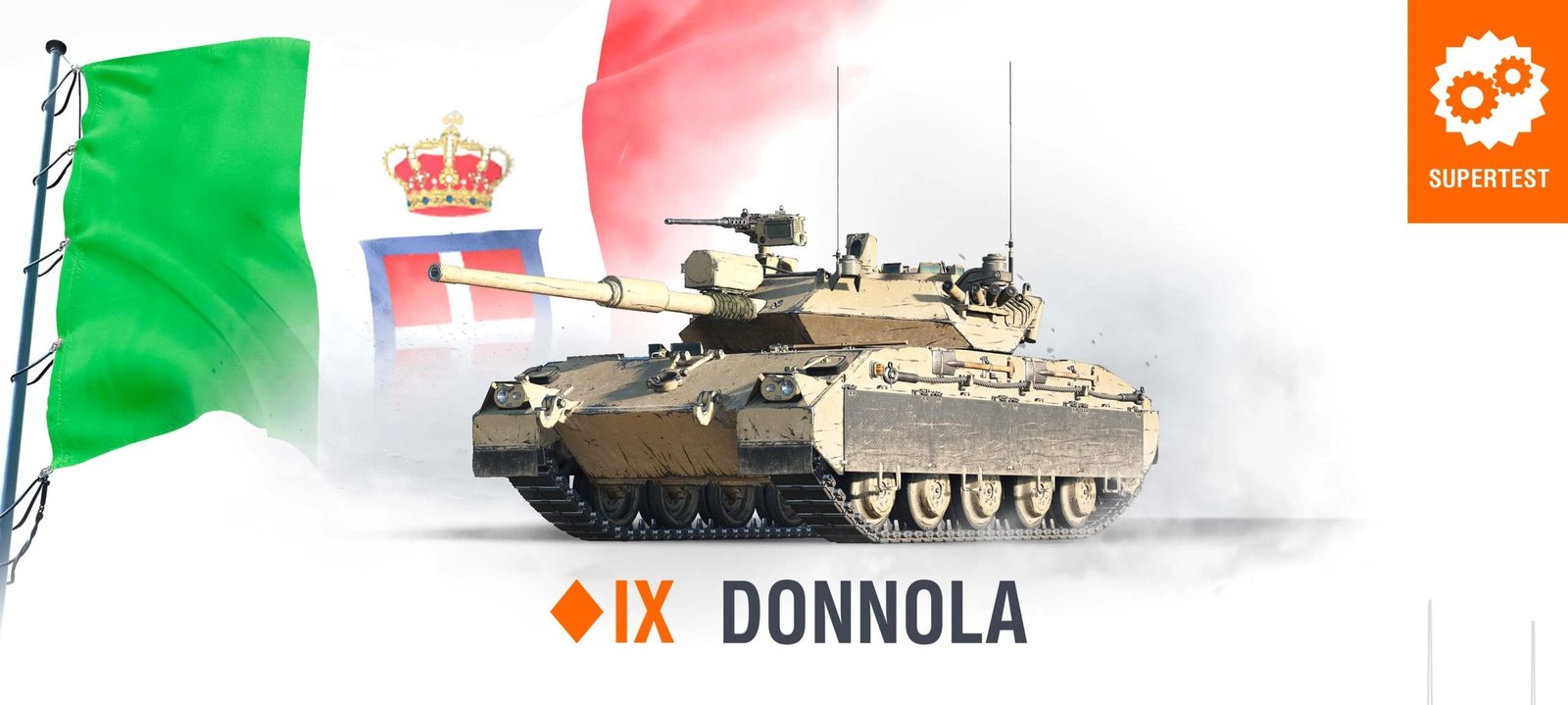
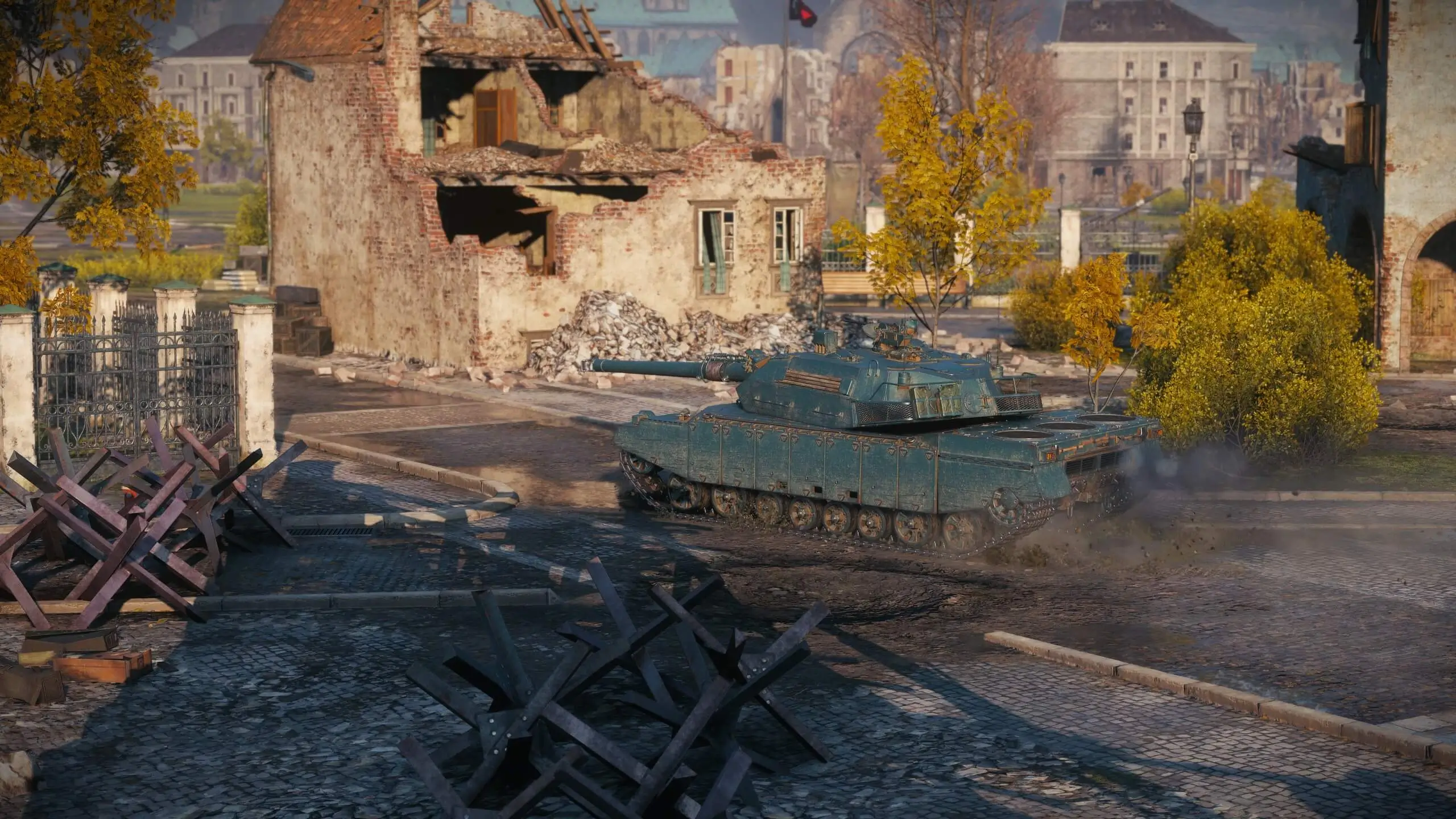
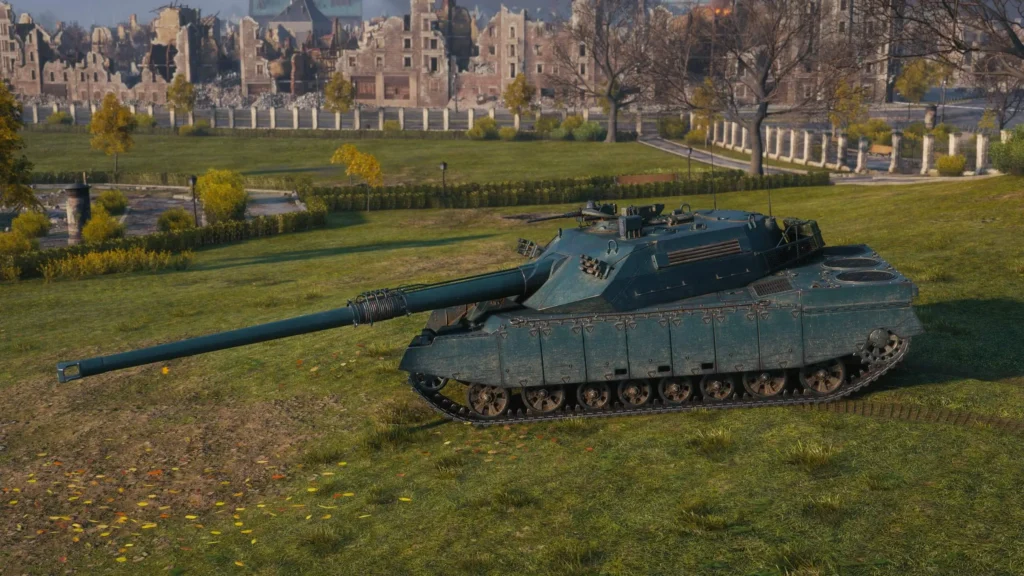
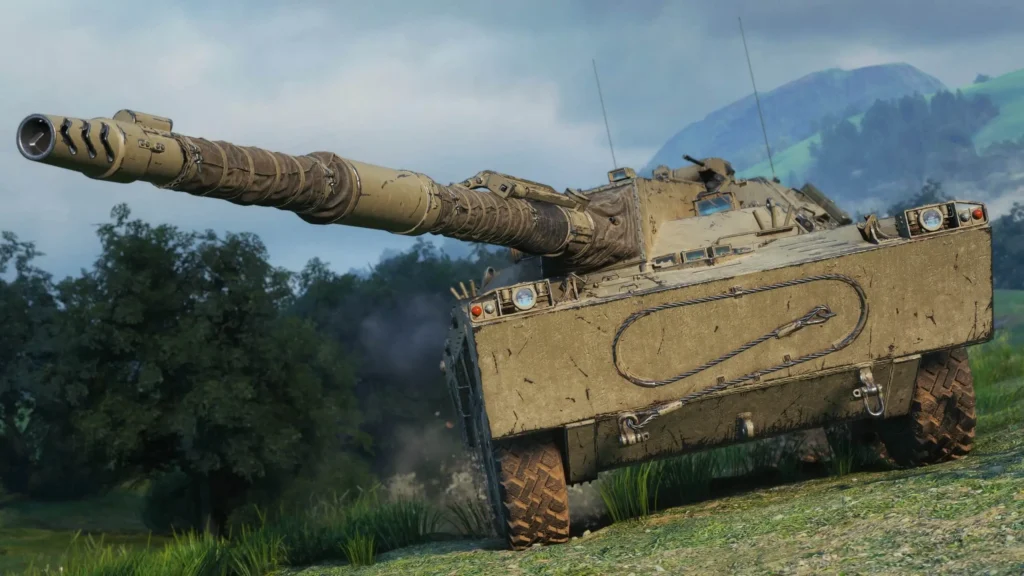
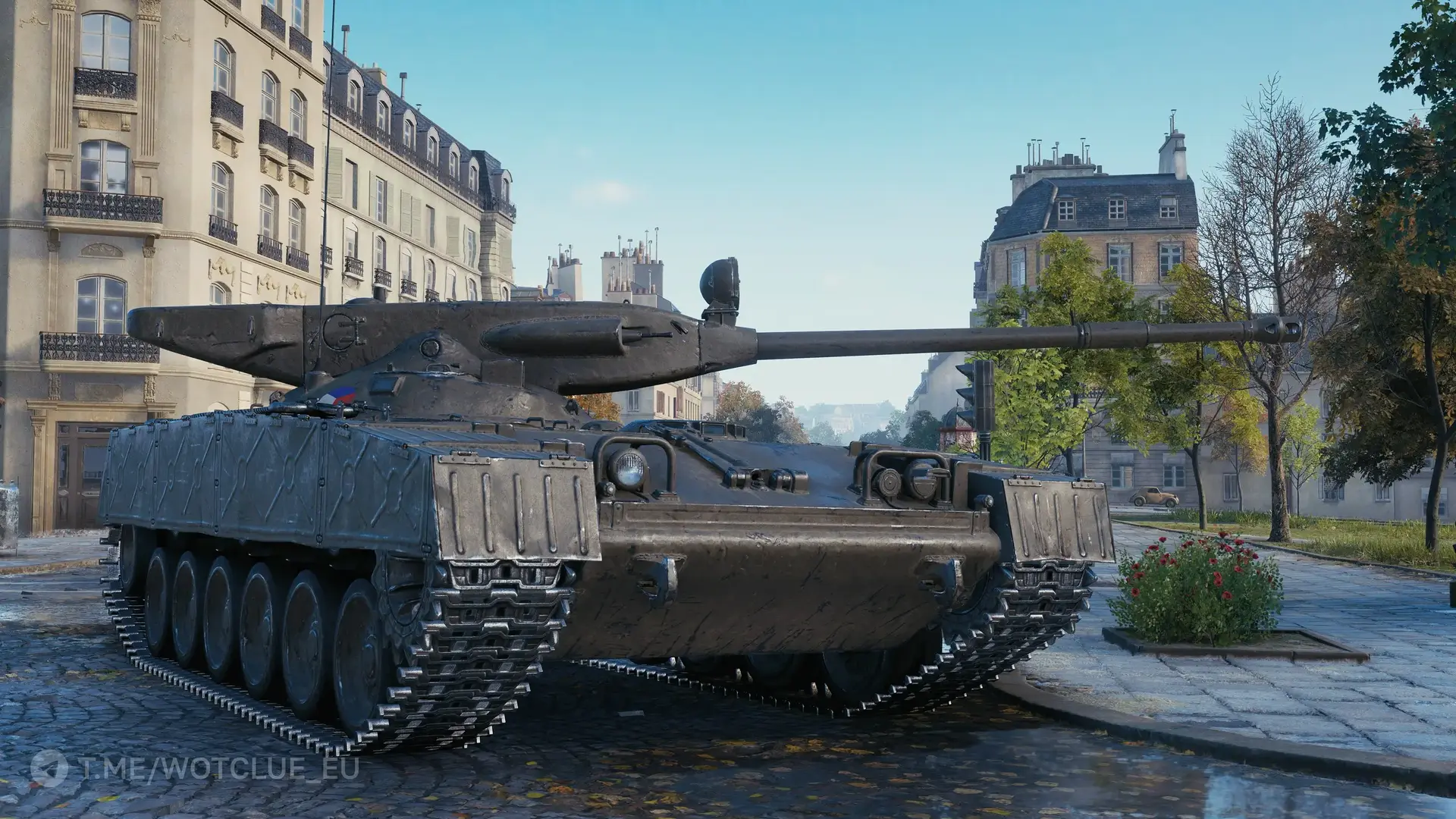
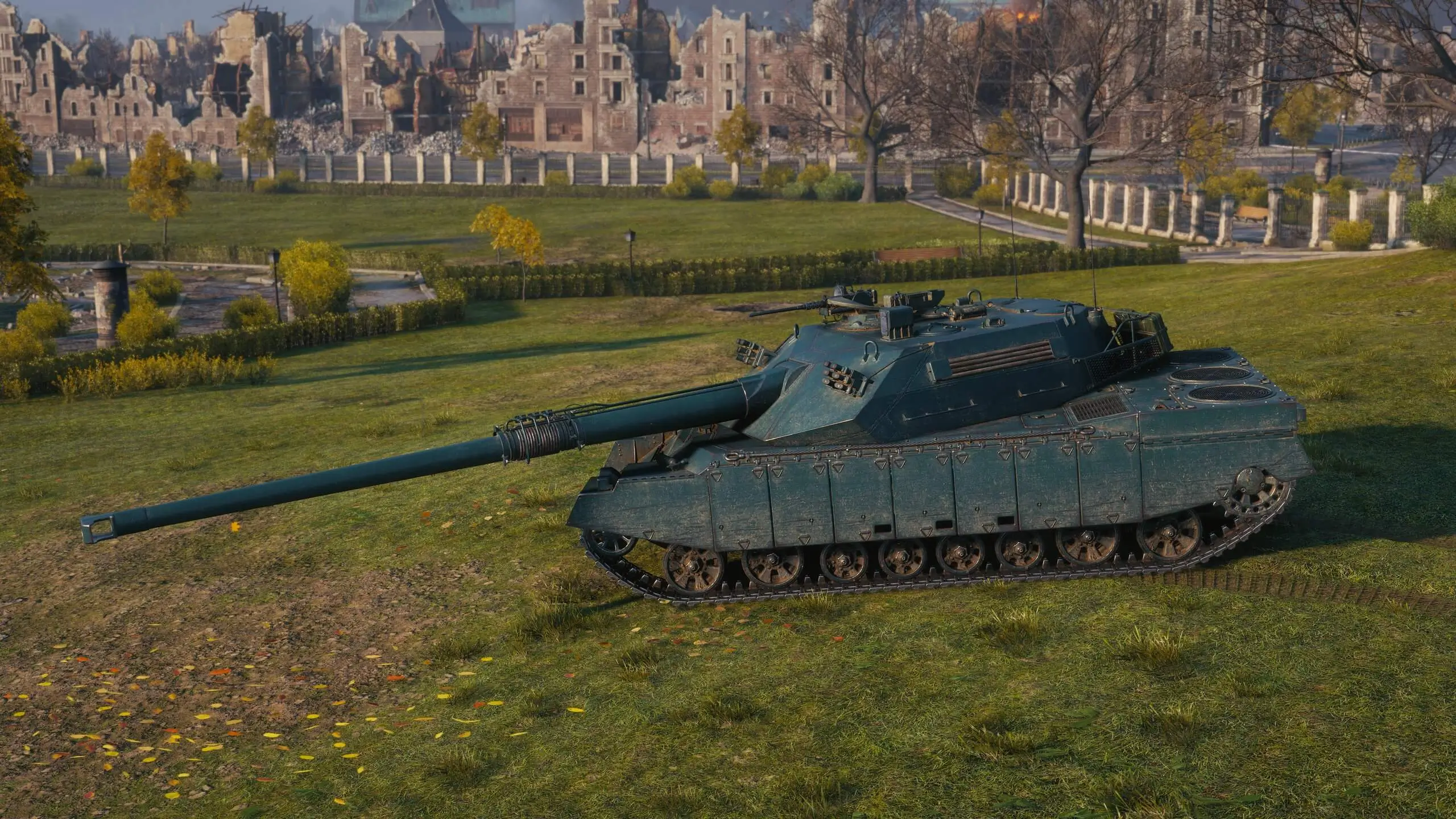
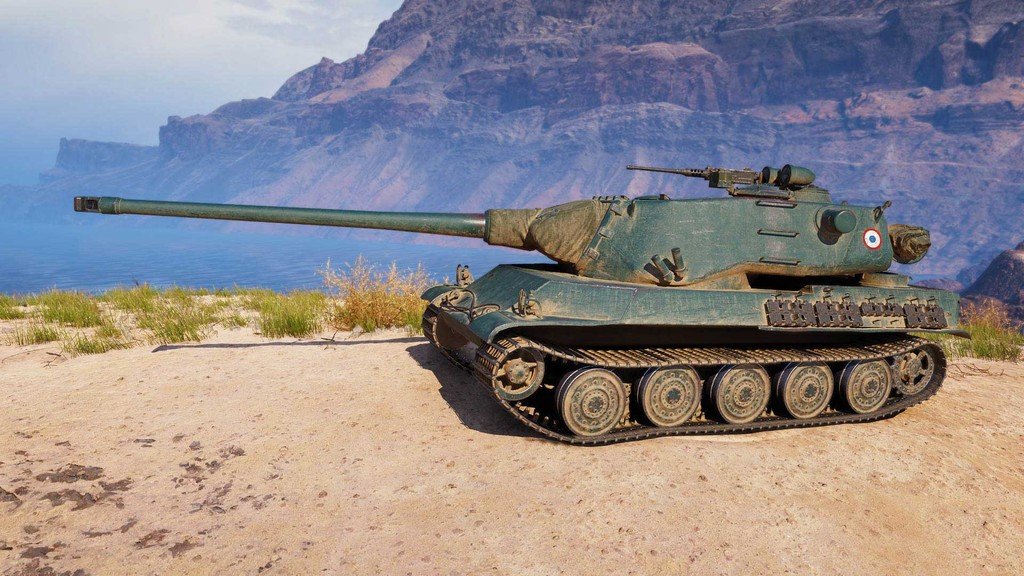
Small, fast, and surprisingly prickly, the Donnola is designed to be a ghost on the battlefield—appearing from nowhere to deliver a flurry of shells before vanishing back into the treeline. Positioned as a direct competitor to the French Char Mle. 75, this Italian light tank brings a unique “burst” flavor to Tier IX reconnaissance.
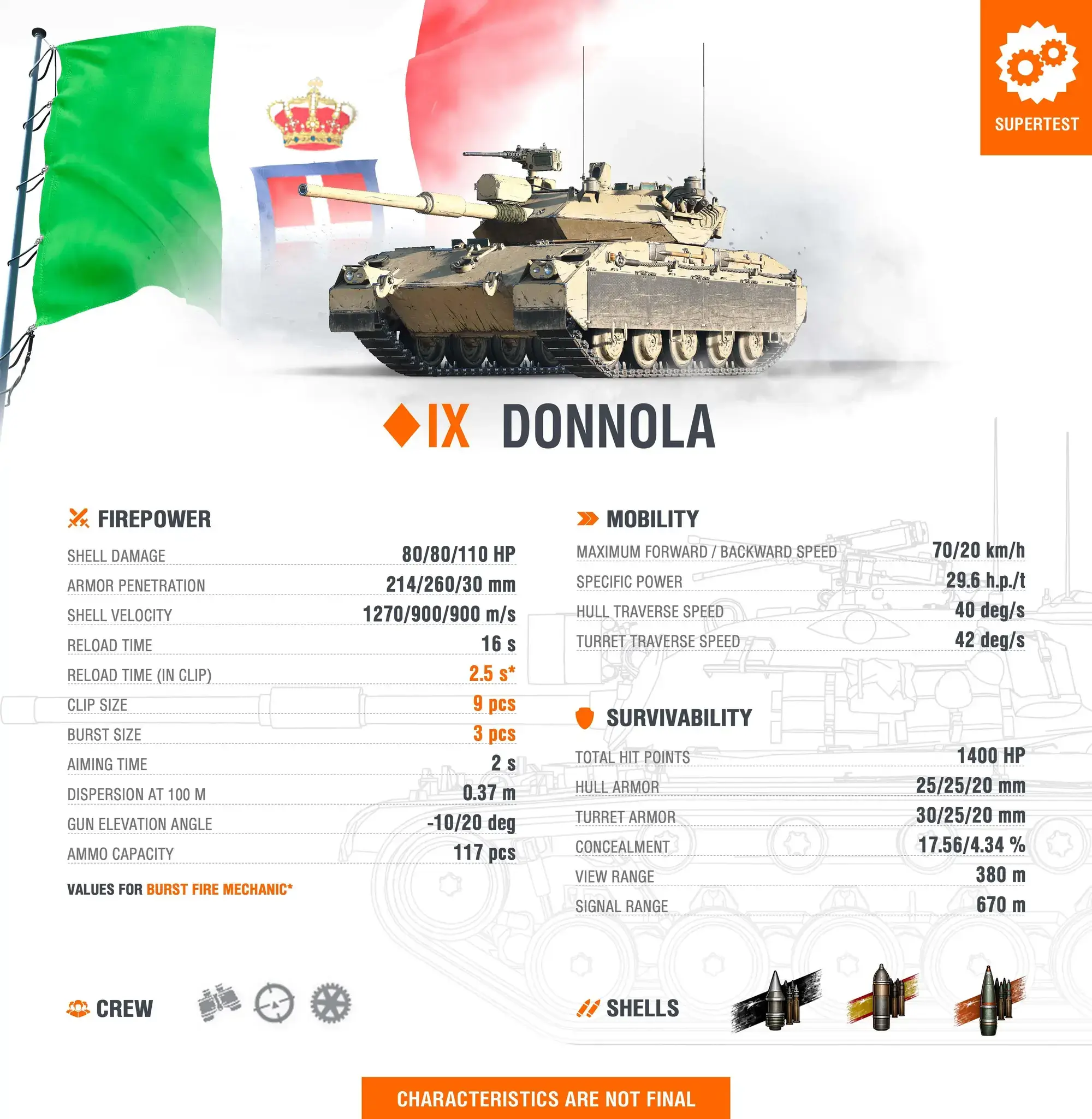
The Italian branch is expanding its horizons on the Supertest with the introduction of the Donnola, a Tier IX light tank that lives up to its name (Italian for “Weasel”). Small, fast, and surprisingly prickly, the Donnola is designed to be a ghost on the battlefield—appearing from nowhere to deliver a flurry of shells before vanishing back into the treeline. Positioned as a direct competitor to the French Char Mle. 75, this Italian light tank brings a unique “burst” flavor to Tier IX reconnaissance.
Rapid-Fire 60mm Gun: 9-Shell Magazine
The Donnola’s primary tool for disruption is its highly unconventional 60mm semi-automatic gun:
9-Shell Total Capacity: The magazine is structured into three “cassettes” of three shells each. This allows the tank to fire in rapid three-shot bursts, delivering a sudden spike of damage that can catch opponents off guard.
Burst Potential: With 80 HP per shell (based on initial reports), a full magazine represents a significant 720 HP burst, though the magic happens in the “mini-bursts” that allow for quick support fire.
16-Second Full Reload: For a Tier IX light tank, a 16-second reload for the entire magazine is remarkably fast, ensuring the Donnola is never out of the fight for long.
2-Second Aiming Time: The gun handling is tuned for the “hit-and-run” lifestyle. You pop out, dump a burst with minimal aiming delay, and retreat.
Swift 70 km/h Mobility
True to its “Weasel” moniker, the Donnola is one of the most agile vehicles entering the high-tier meta:
Top Forward Speed of 70 km/h: This puts it in the upper echelon of scouts, allowing it to contest key early-game positions like the hills of Mines or the bushes of Prokhorovka with ease.
20 km/h Reverse Speed: While not as fast as its forward momentum, the reverse speed is sufficient for backing out of danger once its “spamloader” magazine is empty.
Compact Size and Stealth: The Donnola’s small silhouette and high base concealment make it an exceptionally difficult target to spot and hit, even when active scouting.
Recon and Burst Support
The Donnola isn’t just a passive observer; it’s a “combat scout” that thrives on chaos:
Elite Reconnaissance: Thanks to its compact size and mobility, it excels at traditional scouting roles. It can weave through enemy lines to find hidden artillery or stationary TDs.
Aggressive Support: Unlike many lights that struggle to contribute damage, the Donnola’s “burst” mechanic allows it to support allies by punishing enemies who have just fired or are distracted by heavier targets.
Flexible Engagement: It can play as a traditional passive scout in the early game and transition into a lethal “clean-up” vehicle as the match progresses.
Tactical Considerations
Commanding the Donnola requires a high degree of situational awareness:
Trigger Discipline: Because the gun fires in bursts, you must ensure your first shell lands. Missing the start of a burst can lead to wasted potential and unwanted exposure.
Magazine Management: With a 16-second reload, you have windows of vulnerability. Always time your magazine swaps when you are safely behind cover or repositioning.
Map Exploitation: Use your 70 km/h speed to create crossfires. The Donnola is best when the enemy has to choose between looking at a heavy tank or looking at the “Weasel” biting their flank.
Playstyle Implications
The Donnola encourages a “High-Activity” playstyle:
The Ghost Scout: Spend the first few minutes identifying enemy movements without firing. Use your superior concealment to keep the enemy team lit for your snipers.
The Burst Opportunist: Once a gap opens, move in. Look for isolated targets or tanks with long reloads. Dump a 3-shell “mini-burst,” observe the reaction, and either stay to dump more or vanish.
Late-Game Menace: As the map opens up, the Donnola becomes terrifying. Its ability to relocate quickly and burst down low-HP targets makes it a premier late-game carry tank.
Community Reception
The “Donnola” has sparked lively debate within the World of Tanks community:
“Italian Bradley” Comparisons: Many players have pointed out the visual similarity to the Bradley or Marder, leading to a “modern” feel that some find exciting and others find out of place.
Tech Tree vs. Premium: Some frustration exists that this is a Tier IX premium/reward vehicle rather than the start of a long-awaited Italian light tank tech tree line.
The “Spamloader” Hype: Fans of high-clip-potential lights (like the AMX 13 57) are eagerly anticipating the Donnola, hoping it brings that same frantic, fun energy to Tier IX.
What Sets the Donnola Apart
The Donnola carves out a specific niche compared to other Tier IX scouts:
The “Cassette” Mechanic: Unlike the Char Mle. 75, which focuses on larger bursts, the Donnola’s 3×3 magazine offers more granular control over its damage delivery.
Pure Scouting Pedigree: While many high-tier lights are moving toward “medium-light” hybrids, the Donnola retains the small size and high camouflage values of a pure scout.
Modern Aesthetic: Its visual design stands out as one of the more modern-looking vehicles in the game, appealing to collectors of unique prototypes.
What’s Next?
As it progresses through the Supertest, Wargaming will likely be looking at:
Burst Accuracy: Does the “spam” fire become too inaccurate at range, or does it need a nerf to keep it from being a pocket-sniper?
Concealment Values: Finding the “sweet spot” where it’s hard to spot but not impossible for active scouts to counter.
Event Placement: Will this be the headline reward for an upcoming Frontline season or a part of a special assembly shop?
Final Thoughts
The Donnola is a breath of fresh air for the Italian line and the light tank class. It offers a sophisticated blend of high-end scouting and explosive fire support that rewards skilled players who can manage its unique magazine. While it may not be the tech tree expansion everyone was hoping for, it is undoubtedly one of the most mechanically interesting light tanks to enter the game in years. If you enjoy playing the “annoying weasel” that the enemy team simply cannot catch, the Donnola is a tank to keep on your radar.
1. 007 First Light — May 27 (PS5, Xbox Series X/S, PC) ⭐ Editor’s Pick
IO Interactive — the studio behind the acclaimed World of Assassination trilogy — returns with an origin story for everyone’s favorite secret agent. 007 First Light follows a young, brash James Bond in his earliest MI6 missions, long before he earned his 00-status.
Set across glamorous 1960s locales, the game blends IO’s signature systemic stealth gameplay with cinematic set-pieces. Expect multiple approaches to every objective: infiltrate through ventilation shafts, distract guards with improvised gadgets, or go loud with period-appropriate weaponry. The “First Light” mechanic lets Bond analyze environments in slow-motion, spotting patrol patterns and interactive objects before committing to a plan.
Critics who’ve seen early builds praise the authentic Bond tone — witty, stylish, and surprisingly emotional. The Switch 2 version has been delayed, but the core platforms are locked for a late-May launch.
Verdict: The most polished stealth-action experience of the spring. If you’ve ever wanted to become Bond, this is your moment.
2. Forza Horizon 6 — May 19 (Xbox Series X/S, PC)
Playground Games takes the Horizon Festival to Japan, and the results are breathtaking. Forza Horizon 6 features a massive open world spanning neon-lit Tokyo streets, serene Kyoto temples, snow-capped Hokkaido mountains, and coastal Okinawa highways.
The core formula remains gloriously intact: discover new cars, compete in diverse events, and customize your ride with thousands of options. New this year: dynamic weather that affects driving physics in real-time, a revamped skill tree for unlocking unique vehicle mods, and a co-op “Festival Crew” mode that lets up to four players tackle story missions together.
Early access begins May 15 for Premium Edition owners, with the standard release following on May 19.
A PlayStation 5 port is confirmed for later in 2026.
Verdict: The definitive arcade racing experience returns, bigger and more beautiful than ever. A must-play for racing fans and casual drivers alike.
3. Directive 8020 — May 12 (PS5, Xbox Series X/S, PC)
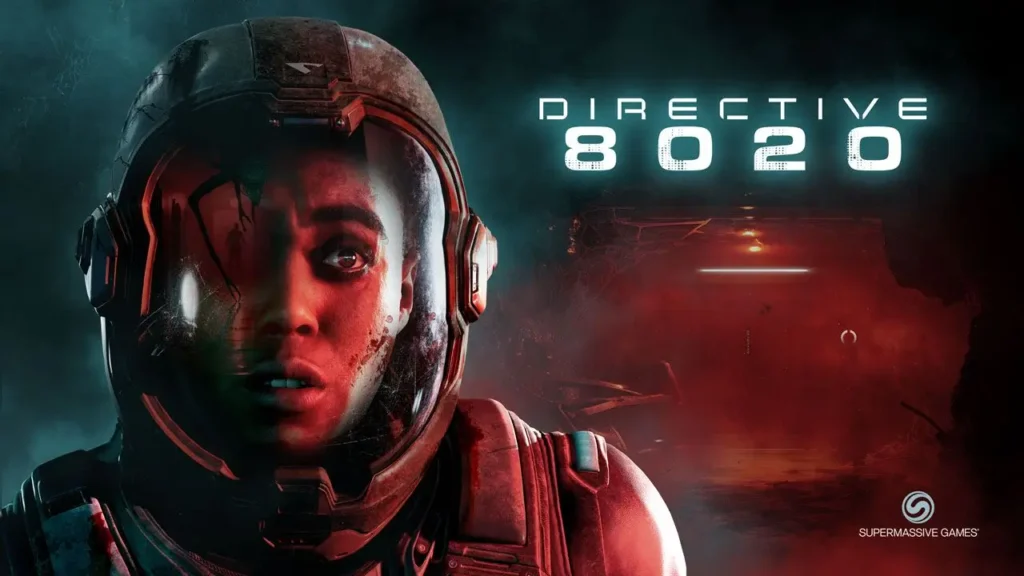
Supermassive Games — masters of narrative horror — ventures into sci-fi territory with this tense, choice-driven survival adventure. Directive 8020 drops players aboard the deep-space research vessel Aethelgard, where a routine mission spirals into a fight for survival against an unknown extraterrestrial threat.
True to The Dark Pictures Anthology formula, your decisions shape who lives, who dies, and how the story unfolds. New mechanics include a “Stress System” that affects character performance under pressure, and a cooperative mode where friends can vote on critical choices in real-time. The game’s claustrophobic corridors and eerie sound design have already drawn comparisons to Alien and The Thing.
Verdict: A gripping, replayable horror experience that proves Supermassive can thrive outside the supernatural. Perfect for fans of atmospheric tension.
4. LEGO Batman: Legacy of the Dark Knight — May 22 (PS5, Xbox Series X/S, Switch 2, PC)
Warner Bros. Games and TT Games reunite for a love letter to Batman’s entire legacy. LEGO Batman: Legacy of the Dark Knight spans decades of comics, films, and animated series, letting players experience iconic moments from the Caped Crusader’s history — all with the series’ signature charm and humor.
The game features an expansive Gotham open world, a roster of over 100 playable characters (including multiple Batman variants), and a story mode that cleverly weaves together different eras of Batman lore. New mechanics include dynamic suit-switching mid-mission and a “Detective Mode” puzzle system that encourages creative problem-solving.
Originally slated for May 29, the release was moved forward by a week — a welcome surprise for eager fans.
Verdict: The most ambitious LEGO game in years. A delightful blend of nostalgia, accessibility, and genuine Batman depth.
5. Indiana Jones and the Great Circle (Switch 2) — May 12 (Switch 2)
MachineGames’ critically acclaimed adventure finally arrives on Nintendo’s latest handheld. Indiana Jones and the Great Circle brings the full PC/console experience to Switch 2, optimized for portable play without compromising the game’s rich exploration, puzzle-solving, and whip-cracking action.
Players step into the boots of Indy in 1937, uncovering a global conspiracy tied to an ancient artifact. The Switch 2 version supports both handheld and docked play, with optional touch controls for puzzle interactions and gyro aiming for combat sequences.
Verdict: The perfect way to experience one of 2026’s best adventures on the go. Ideal for fans of narrative-driven action-adventure.
6. Mixtape — May 7 (PS5, Xbox Series X/S, Switch 2, PC)
This vibrant rhythm-action game lets you build the ultimate playlist while battling through stylized musical worlds. Mixtape combines fast-paced combat with music creation: every move you make influences the soundtrack, and chaining combos unlocks new instruments, genres, and visual effects.
With a curated soundtrack spanning hip-hop, electronic, rock, and global genres — plus robust customization tools — Mixtape appeals to both rhythm-game veterans and newcomers. The local co-op mode lets two players jam together, creating dynamic duets that affect the battlefield in real-time.
Verdict: A joyful, energetic surprise. The indie standout of early May.
7. Coffee Talk Tokyo — May 21 (PS5, Xbox Series X/S, Switch, PC)
The cozy sequel to the beloved café sim returns, this time set in a near-future Tokyo where humans, fantasy creatures, and AI coexist. As a barista, you listen to patrons’ stories, brew comforting drinks, and gently guide their lives through meaningful conversations.
Coffee Talk Tokyo expands on the original with new characters, branching dialogue trees, and a “Mood Brewing” system where ingredient choices subtly influence story outcomes. The pixel-art aesthetic, lo-fi soundtrack, and inclusive storytelling make this a perfect wind-down experience.
Verdict: Comfort gaming at its finest. Ideal for players seeking warmth, representation, and zero pressure.
Full May Release Calendar
Date
Game
Platform
Type
May 7
Mixtape
PS5, Xbox, Switch 2, PC
Rhythm/Action
May 12
Directive 8020
PS5, Xbox, PC
Narrative Horror
May 12
Indiana Jones: Great Circle (Switch 2)
Switch 2
Action-Adventure
May 19
Forza Horizon 6
Xbox, PC
Racing
May 21
Coffee Talk Tokyo
All Platforms
Cozy Sim
May 21
Yoshi and the Mysterious Book
Switch 2
Platformer
May 22
LEGO Batman: Legacy
All Platforms
Action-Adventure
May 27
007 First Light
PS5, Xbox, PC
Stealth-Action
May release dates are subject to change. Prices vary by platform and region.
Entering the Common Test for Update 2.2.1 as a Tier XI Heavy Tank, the Fauteur represents a bold evolution in French tank design. Historically known for their exceptional guns but vulnerable armor, the Fauteur takes the best traits of the French lineage—fast reload times and high alpha damage—and enhances them with a revolutionary charging mechanic: the Induction Propellant Afterburner.
This isn’t just another heavy tank; it’s a tactical artillery piece disguised as a heavy. With a massive hit point pool, a surprisingly robust turret, and the ability to dynamically adjust its damage output based on precision, the Fauteur demands a calculated approach to every engagement.
Powerful Firepower: The Art of Controlled Destruction
The Fauteur comes equipped with a main gun that sits comfortably among the elite heavy tank destroyers of the game:
400 HP Alpha Damage: A respectable baseline that allows for consistent damage per minute (DPM) when playing conservatively.
Fast 10.5-Second Reload: Typical of French heavy designs, allowing the Fauteur to rain shells down upon enemies quickly.
Solid Penetration: With 267mm standard penetration (272mm upgraded) and 322mm premium (327mm upgraded), the Fauteur can threaten almost anything at Tier XI, requiring only rare adjustments for heavily armored brawlers.
Induction Propellant Afterburner: High Risk, High Reward
The defining feature of the Fauteur is its unique charging mechanic, which allows commanders to trade stability for pure power:
Pre-Limit Damage Bonus (+25%): Before reaching maximum charge, the Fauteur can deliver a safely boosted shot dealing 25% more damage without severe accuracy penalties.
Post-Limit Nuke (+57.5% Damage): By holding the charge past the limit, the Fauteur can unleash a catastrophic shell dealing nearly 60% more damage—the ultimate punish for careless enemies.
Massive Penalty Trade-off: The price for this explosive power is steep. Upon entering the “Post-Limit” state, aiming time increases by 125% and dispersion increases by 125%.
💡 Tactical Insight: This mechanic transforms standard heavy tank gameplay. Instead of simply firing whenever possible, commanders must actively manage their charge level. Use pre-limited shots for safe trading, but save the precious moments when the enemy is pinned down to unleash the full, terrifying potential of the post-limited shot—if your aim is true!
Exceptional Accuracy (When Not Charging)
Despite its aggressive options, the base gun handling is quite refined:
0.35m Dispersion: Among the tighter values for heavy tanks, ensuring that shots land reliably during standard engagements.
2.3s Aiming Time: Quick enough to capitalize on movement shots, though patience is rewarded with better placement.
-7° Gun Depression: Sufficient for ridge-line fighting, supporting the heavy’s role as a second-line anchor.
Robust Armor & Hit Points
Unlike many glass-cannon mediums, the Fauteur boasts the durability expected of an apex Heavy Tank:
2,300 HP Pool (2,400 HP Upgraded): One of the highest health pools at Tier XI, giving the commander significant room for error and the ability to sustain multiple exchanges.
250mm Turret Frontal Armor: A formidable turret face that can bounce or diminish shots from lighter opponents and force enemies to aim for weaker zones.
220mm Hull Front / 80mm Sides / 50mm Rear: While not impregnable, the frontal armor is solid enough to hold position behind teammates. The thinner sides and rear require careful angling to prevent exploitation.
⚠️ Important Note: Full internal component layouts and camo ratings are not yet available.
Mobility: Swift for a Heavy
The Fauteur does not feel sluggish despite its size:
36 km/h Top Speed: A brisk pace for a Tier XI Heavy, allowing it to support flanks or relocate to critical sectors faster than static turrets.
15 km/h Reverse Speed: Adequate for quick peels after firing, essential for staying alive when charges run low or threats appear.
20.4 hp/t Specific Power: Decent maneuverability ensures the heavy remains agile on the battlefield.
Tactical Considerations
Mastering the Fauteur requires a shift in mindset:
Charge Management is Key: Never waste the “Post-Limit” window. Ensure you have a clear shot at a vulnerable target before pushing into the high-risk, high-reward state.
Exploit Recoil & Dispersion: When overcharged, your aim time will be sluggish (3.8s+ equivalent). Come to a complete stop and utilize cover to steady the ship before releasing the payload.
Play to Your HP: You are tankier than most French vehicles. Stand firm when supported, but do not dive solo into a hail of machine-gun fire.
Aim for Weak Spots: With the option of dealing ~640 damage in a single shot (base 400 + 60%), missing a weak spot shot due to dispersion penalties can be devastating. Precision is paramount.
Playstyle Implications
The Fauteur bridges the gap between a brawler and a sniper:
The Dynamic Shot-Caller: Start engagements conservatively with standard 400-damage shots. As enemies expose weaknesses or struggle with DPM, unleash the charged 600+-damage shot to finish the fight.
The Support Heavy: Use your high mobility and large HP pool to reinforce collapsing flanks. Once in position, act as a damage amplifier for your team.
The Aggressive Duelist: Engage other heavies, peppering them with fast shots until they are pressured, then land the decisive blow with the fully charged round.
What Sets the Fauteur Apart
The Fauteur brings fresh dynamics to the heavy tank class:
Controlled Burst Potential: The Induction Propellant Afterburner rewards skill expression in timing and prediction far more than traditional reload-based classes.
High-Tier Bulky Presence: Combining a 2,300 HP pool with 250mm turret armor makes it a very difficult tank to dismantle if played correctly.
French Legacy Reimagined: It captures the spirit of rapid-fire heavies but elevates them with a mechanic that demands active management of ballistics.
Community Reception & Expectations
Early impressions highlight excitement regarding the new mechanic:
Mechanic Depth: Players love the risk/reward balance. The decision to “peek and fire safely” vs. “hold for the big number” adds exciting mental stress to engagements.
Tank Weight: The combination of speed, HP, and turret armor has generated buzz about the Fauteur being a potential meta-definer.
Balance Questions: Will the 60% damage increase be too punishing against low-HP targets? How forgiving is the aiming degradation? These remain key testing points.
What’s Next?
Testing continues with a focus on:
Tuning the duration required to reach the “Post-Limit” state.
Adjusting the magnitude of dispersion and aim-time penalties.
Ensuring the armor layout supports the intended role of an active, mobile heavy.
Final Thoughts
The Fauteur is a masterclass in controlled aggression. It offers the satisfying punch of heavy hitters and the versatility of a tactical sniper, wrapped in a package that can withstand the punishment of Tier XI combat. Whether you’re looking to dominate a duel with a perfectly timed shot or support your team with consistent pressure, this Troublesome Tank delivers.
With Update 2.2.1 bringing three brand new Tier XI machines, the Fauteur stands out as a complex, rewarding choice for those willing to master the art of the charged strike.
Characteristics Are Not Final — all information sourced from World of Tanks Update 2.2.1 Common Test announcements. Stats subject to change before official release. Full armor layout, camouflage ratings, and other detailed statistics not yet available.
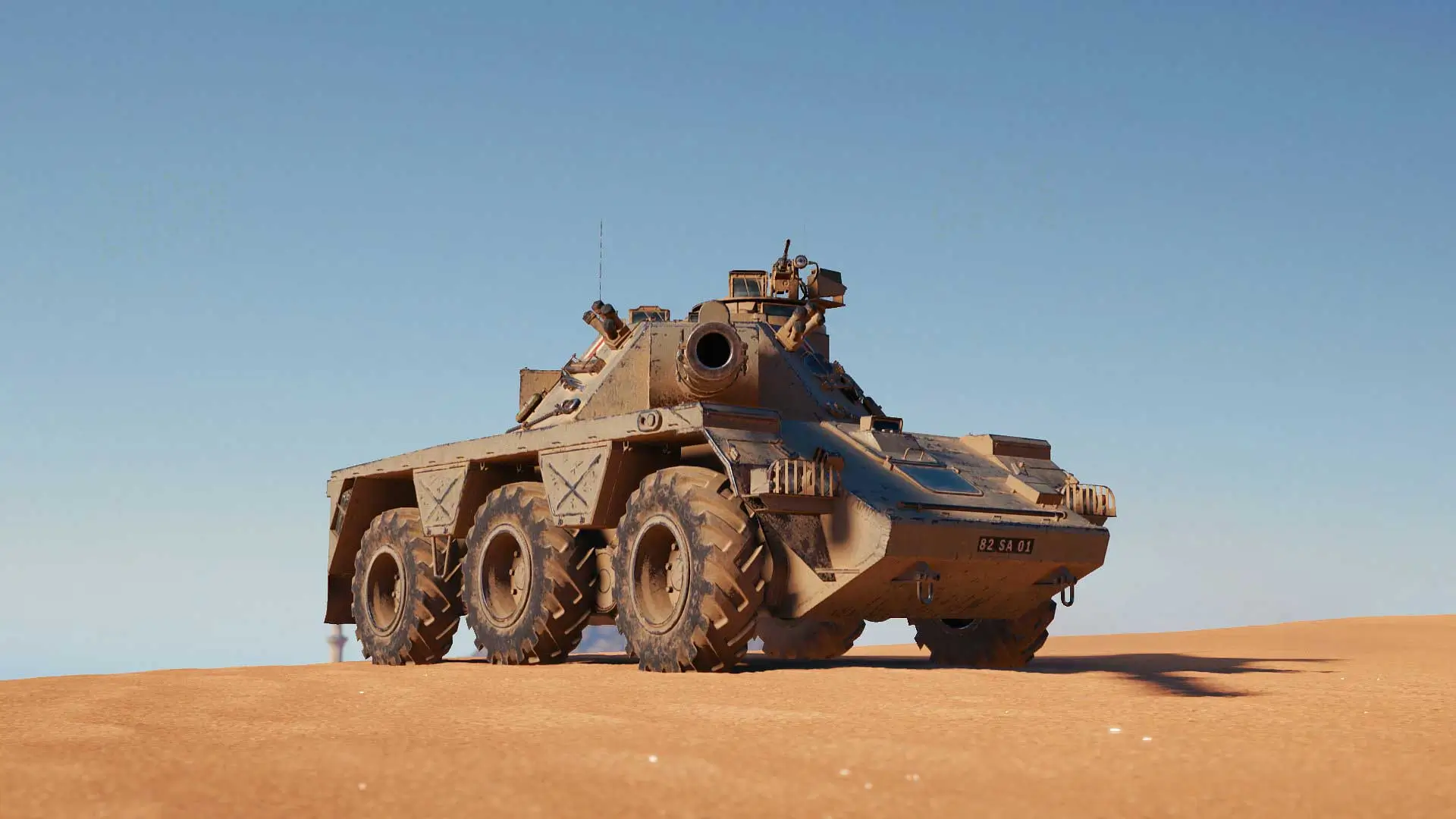
Emerging from the United Kingdom’s tech tree as part of Update 2.2.1, the Executor is a Tier XI wheeled medium tank that redefines what it means to be a “scout” vehicle. Named for its role as an enforcer of battlefield dominance, this vehicle combines the blistering mobility of wheeled platforms with the firepower traditionally reserved for heavier classes. Entering the Common Test with non-final characteristics, the Executor introduces the High-Pressure Turbocharger Assist—a game-changing ability that temporarily supercharges its already impressive mobility, allowing for explosive repositioning and opportunistic strikes.
Precise Firepower: 480 HP Alpha Damage
The Executor’s main gun is tuned for accuracy and consistent damage output:
480 HP Alpha Damage: A respectable alpha strike for a medium tank, allowing the Executor to punish overextended enemies or finish off weakened targets with authority.
11.5-Second Reload: A fast reload time enables strong sustained DPM, rewarding aggressive players who maintain pressure throughout engagements.
Versatile Ammunition Loadout: With 262mm standard penetration (267mm upgraded), 330mm premium penetration (335mm upgraded), and 55mm HE shells, the Executor can engage most targets effectively, though heavily armored foes may require careful shot placement or premium ammunition.
Exceptional Gun Handling
Where the Executor truly shines is in its gun handling characteristics:
0.27m Dispersion at 100m: Among the tightest dispersion values for any medium tank at Tier XI, enabling precision shots at long range and consistent hits on moving targets.
1.8-Second Aiming Time (1.6s upgraded): Lightning-fast aiming allows the Executor to capitalize on fleeting opportunities, snap-shot peeking enemies, and maintain accuracy while on the move.
-8° Gun Depression / +20° Elevation: Excellent gun depression supports hull-down play on ridgelines and allows the Executor to utilize terrain to its advantage—a hallmark of British vehicle design.
High-Pressure Turbocharger Assist: Mobility on Demand
The Executor’s signature ability transforms it from a fast medium tank into a battlefield comet:
140% Engine Power Boost (150% upgraded): When activated, the turbocharger dramatically increases engine output, providing instant acceleration and improved hill-climbing capability.
104% Top Speed Boost: Base top speed of 65 km/h (67 km/h upgraded) becomes even more formidable when the turbocharger engages, allowing the Executor to close distances or disengage with ease.
109% Reverse Speed Boost (115% upgraded): Perhaps most importantly, the turbocharger enhances reverse speed—critical for wheeled vehicles that rely on hit-and-run tactics and quick repositioning.
4-Second Duration (5s upgraded): While brief, the turbocharger window is designed for tactical bursts: escaping danger, flanking a distracted enemy, or racing to capture a key objective.
💡 Pro Tip: The High-Pressure Turbocharger Assist is not just an “escape button.” Skilled commanders will use it proactively—to execute unexpected flanks, reposition after a shot, or exploit gaps in the enemy line before they can react.
Glass Cannon Survivability
As with most wheeled vehicles, the Executor trades armor for agility:
1,950 HP Pool (2,000 HP upgraded): A modest but workable hit point total for a Tier XI medium; positioning and map awareness are essential to preserve HP.
38mm Hull Armor (All Around): Extremely thin hull armor means the Executor is vulnerable to virtually all HE shells and even heavy machine gun fire. Angling provides minimal benefit—avoid trading shots whenever possible.
159mm Turret Front / 45mm Sides / 38mm Rear: The turret front offers some protection against lower-tier ammunition, but at Tier XI, it should not be relied upon. The turret is best used for gun depression tactics, not armor bounces.
⚠️ Important: Full armor layout details, camouflage ratings, and module hitpoint values are not yet available. These stats are subject to change before official release.
Wheeled Mobility Master
The Executor inherits and enhances the strengths of the wheeled vehicle class:
65 km/h Top Speed (67 km/h upgraded): Blistering speed allows the Executor to reach key map positions early, rotate between flanks, or chase down retreating enemies.
33 km/h Reverse Speed (35 km/h upgraded): Strong reverse capability—further boosted by the turbocharger—enables effective hit-and-run tactics and rapid disengagement.
25.4 hp/t Specific Power (27.1 hp/t upgraded): Excellent power-to-weight ratio ensures responsive handling, quick acceleration, and the ability to maintain speed across varied terrain.
Tactical Considerations
Mastering the Executor requires embracing its high-risk, high-reward nature:
Never Trade Shots: With 38mm hull armor, the Executor cannot afford to brawl. Use terrain, cover, and mobility to avoid incoming fire.
Turbocharger Timing is Critical: Save the High-Pressure Turbocharger Assist for moments that matter: escaping a bad engagement, flanking an overcommitted enemy, or racing to secure an objective in the final minutes.
Leverage Gun Handling: Your 0.27 dispersion and fast aiming time allow you to shoot accurately while moving. Use this to fire on the move during repositioning—don’t come to a full stop unless absolutely necessary.
Map Awareness is Non-Negotiable: As a wheeled scout-firepower hybrid, the Executor excels when it has information. Use your speed to spot early, then transition to dealing damage from safe angles.
Playstyle Implications
The Executor rewards a “Mobile Precision Striker” approach:
The Aggressive Scout: Start the match by using your speed to secure early vision. Once spotted, use gun depression and precision to chip away at enemies from unexpected angles.
The Flank Harasser: Mid-game, use your mobility to exploit weak flanks. The turbocharger lets you punch through gaps, deliver 480-damage shots, and vanish before the enemy can respond.
The Late-Game Cleanup Crew: In endgame scenarios, your combination of speed, gun handling, and burst mobility makes you ideal for hunting down low-HP targets and securing victories.
The Repositioning Specialist: Unlike tracked mediums, the Executor can change direction instantly and maintain high speed in reverse. Use this to “dance” around cover, firing peek-a-boo shots without exposing your vulnerable hull.
What Sets the Executor Apart
The Executor occupies a unique niche at Tier XI:
Wheeled + Precision Gun: Most wheeled vehicles sacrifice firepower for mobility. The Executor delivers both: 480-damage alpha with elite gun handling and wheeled agility.
Turbocharger as Tactical Tool: The High-Pressure Turbocharger Assist isn’t just a speed boost—it’s a strategic resource that rewards foresight and timing.
British Medium Heritage: Building on the legacy of vehicles like the Centurion and the Concept No. 5, the Executor combines classic British gun depression and accuracy with next-generation mobility.
Community Reception & Expectations
Early impressions from the Common Test have sparked lively discussion:
Gun Handling Praise: Players are excited by the 0.27 dispersion and fast aiming time, seeing the Executor as a potential “sniper-medium” hybrid.
Armor Concerns: The 38mm hull armor has raised eyebrows—will the Executor be too fragile for Tier XI combat, or will its mobility compensate?
Turbocharger Balance: The community is watching closely to see if a 4-5 second mobility boost is impactful enough without being overpowered.
Wheeled Meta Shift: If the Executor performs well, it could revitalize interest in wheeled vehicles at high tiers, encouraging more dynamic, mobile gameplay.
What’s Next?
As a Common Test vehicle, the Executor’s characteristics remain subject to change. Testing will likely focus on:
Does the combination of precision firepower and wheeled mobility create a balanced, fun playstyle?
Is 38mm hull armor appropriate for Tier XI, or does it need adjustment to prevent instant deletion?
How impactful is the 4-5 second turbocharger window in real combat scenarios?
Will the Executor become a staple of aggressive medium tank play, or remain a niche pick for specialists?
Final Thoughts
The Executor represents a bold vision for the future of medium tanks in World of Tanks. By fusing elite gun handling, respectable alpha damage, and revolutionary wheeled mobility enhanced by the High-Pressure Turbocharger Assist, it offers a playstyle that rewards skill, map knowledge, and tactical timing. This isn’t a tank for commanders who prefer static positions or predictable engagements; it’s for those who thrive on adaptability, precision, and the thrill of the chase.
The turbocharger mechanic alone could redefine how players approach mobility-based vehicles, turning speed from a passive trait into an active, tactical resource. If Wargaming balances these features correctly, the Executor could become the most dynamic and versatile medium tank in the game—a true executor of battlefield strategy.
For fans of wheeled vehicles, British tech tree enthusiasts, or any commander who believes that speed and precision should triumph over brute force, the Executor promises to deliver a uniquely exhilarating experience. Start preparing your loadout now—this executor is ready to deliver judgment.
Characteristics Are Not Final — all information sourced from World of Tanks Update 2.2.1 Common Test announcements. Stats subject to change before official release. Full armor layout, camouflage ratings, and other detailed statistics not yet available.
A new apex predator is emerging from the American tech tree: the Gorilla, a Tier XI tank destroyer that redefines what it means to be a “support” vehicle. Named after one of nature’s most powerful and intelligent primates, this vehicle is designed to dominate the battlefield through sheer force and tactical flexibility. Entering the Common Test as part of Update 2.2.1, the Gorilla brings a revolutionary Multi-Pack Charge System that allows it to fire devastating partial shots before its main gun fully reloads, offering unprecedented adaptability in the heat of combat.
Devastating Firepower: 800 HP Alpha Damage
The Gorilla packs a main gun that commands respect at Tier XI:
800 HP Alpha Damage: This places it among the elite heavy hitters of Tier XI, capable of punishing even the most careless opponents with a single well-placed shot.
20.5-Second Reload: The deliberate reload time is the trade-off for such massive alpha damage, encouraging a disciplined firing rhythm that rewards patience and positioning.
Versatile Ammunition: With 305mm standard penetration (upgrading to 310mm), 380mm premium penetration (385mm upgraded), and 90mm HE shells, the Gorilla can handle virtually any target on the battlefield.
The Multi-Pack Charge System: Revolutionary Flexibility
What truly sets the Gorilla apart from every tank destroyer before it is its groundbreaking Multi-Pack Charge System:
390 HP Partial Shots: Before the full 20.5-second reload completes, commanders can fire a partial shot dealing nearly half the damage of a full round. This allows the Gorilla to respond to threats without waiting helplessly through the entire reload cycle.
255mm Penetration (260mm upgraded): While reduced from the main gun’s penetration, this is still sufficient to threaten most opponents, especially when targeting weaker armor zones.
200% Rate of Fire (222% upgraded): Partial shots can be fired at twice the speed of the standard reload, meaning you can unleash a 390-damage shot in roughly half the time it takes to load a full 800-damage round.
130% Dispersion Penalty (125% upgraded): The accuracy penalty for partial shots is relatively modest, allowing these emergency shots to remain effective even at medium ranges.
Precision Gun Handling
Despite its massive caliber, the Gorilla maintains respectable gun handling characteristics:
0.36m Dispersion at 100m: This tight dispersion allows the Gorilla to excel as a long-range sniper, punishing enemies who expose themselves even at extreme distances.
2.7-Second Aiming Time (2.6s upgraded): Quick enough to capitalize on fleeting opportunities, the aiming time ensures the Gorilla isn’t punished when quick shots are needed.
-6° Gun Depression (-7° upgraded) / +20° Elevation: While not the best-in-class depression, it’s sufficient for most hull-down positions and ridge-line fighting, especially when combined with the sturdy turret.
Armored Turret: The Brawler’s Advantage
Unlike most tank destroyers that rely solely on camouflage and distance, the Gorilla can actually trade shots:
235mm Turret Frontal Armor: This is remarkably thick for a tank destroyer, allowing the Gorilla to hold hull-down positions with confidence and bounce shots that would devastate lesser TDs.
101.6mm Side / 63.5mm Rear Turret Armor: While weaker than the front, the turret still offers some protection against high-caliber HE and machine gun fire.
Partial-Rotation Turret: Inheriting the T110E4’s design philosophy, the Gorilla features a sturdy turret with limited traverse, allowing it to engage targets without committing its entire hull.
Survivability: More Than Just Armor
The Gorilla brings substantial bulk to the battlefield:
2,150 HP Pool (2,200 HP upgraded): A healthy hit point pool gives the Gorilla room for error and allows it to survive encounters that would destroy glass-cannon TDs.
177.8mm Hull Frontal Armor: While not impenetrable at Tier XI, the hull armor is sufficient to occasionally bounce lower-tier shots and forces enemies to aim carefully.
88.9mm Hull Sides / 50.8mm Rear: As with most TDs, the hull sides and rear are vulnerable, emphasizing the importance of positioning and angling.
Mobility: Getting Into Position
While not a speed demon, the Gorilla has adequate mobility for its role:
35 km/h Top Speed (36 km/h upgraded): Sufficient to reach key sniper positions early in the match or relocate when a flank collapses.
12 km/h Reverse Speed: Modest but functional, allowing the Gorilla to retreat behind cover after firing, though commanders must plan their positioning carefully.
14.7 hp/t Specific Power (15.4 hp/t upgraded): Decent power-to-weight ratio ensures the Gorilla isn’t completely sluggish when maneuvering into firing positions.
Tactical Considerations
To master the Gorilla, commanders must embrace its dual nature:
Reload Management is Critical: The Multi-Pack Charge System gives you options, but using partial shots too liberally will reduce your overall damage output. Save them for emergency situations or when a full reload isn’t feasible.
Turret Armor is Your Friend: Unlike most TDs, you can actually use the Gorilla’s turret armor to your advantage. Seek hull-down positions where you can expose only your 235mm turret front.
Don’t Overextend: Despite the armored turret, you’re still a tank destroyer with a slow reverse speed. Always have an escape route planned.
Partial Shot Scenarios: Use partial shots when: an enemy is about to escape, you need to finish off a low-HP target, or waiting for a full reload would leave you defenseless against an aggressive push.
Playstyle Implications
The Gorilla rewards a “Flexible Sniper-Brawler” hybrid approach:
The Adaptive Sniper: Start the match in traditional TD fashion, using your 800-damage gun and excellent dispersion to punish enemies from range. As the match progresses and positions break down, transition to a more aggressive second-line role.
The Ridge-Line Guardian: Use your turret armor and gun depression to hold key ridge positions. Drop 800-damage shells on enemies who peek, or use partial shots to maintain pressure while reloading.
The Late-Game Anchor: In endgame scenarios, your combination of alpha damage, turret armor, and the ability to fire partial shots makes you a formidable opponent. You can trade HP more effectively than most TDs and respond to threats that would leave other TDs helpless.
The Counter-Push Deterrent: When enemies attempt to rush your position, the Multi-Pack Charge System means you’re never completely defenseless. Even mid-reload, you can unleash a 390-damage shot to slow their advance.
What Sets the Gorilla Apart
The Gorilla occupies a unique niche at Tier XI:
The Multi-Pack Charge Innovation: No other tank destroyer offers this level of reload flexibility. The ability to fire meaningful damage before a full reload completes fundamentally changes how TD gameplay flows.
Turreted Armor Advantage: Most Tier X+ TDs with big guns are either casemates (like the T110E3) or have paper-thin turrets (like the T110E4). The Gorilla’s 235mm turret front is a game-changer for the class.
American TD Evolution: The Gorilla represents the logical next step from the T110E4, addressing one of that tank’s greatest weaknesses (vulnerability during reload) while amplifying its strengths (devastating alpha and turret armor).
Community Reception & Expectations
Early impressions from the Common Test have generated significant discussion:
Reload Mechanic Excitement: Players are intrigued by the Multi-Pack Charge System, with many seeing it as a solution to the “reload vulnerability” problem that plagues all high-alpha TDs.
Armor Skepticism: Some veterans question whether 235mm turret armor will be sufficient in a Tier XI environment where 380mm+ penetration is becoming standard, though the partial-shot capability may compensate.
T110E4 Lineage: Long-time American TD players are excited to see the T110E4 finally receive a worthy successor that addresses its limitations while maintaining the aggressive turret-fighting playstyle.
Balance Concerns: The community is watching closely to see if 800 alpha damage combined with partial-shot flexibility might be too powerful, or if the 20.5-second reload will keep it in check.
What’s Next?
As a Common Test vehicle, the Gorilla’s characteristics are still subject to change. Testing will likely focus on:
Does the Multi-Pack Charge System provide enough flexibility without making the Gorilla overpowered?
Is 235mm turret armor appropriate for Tier XI, or does it need adjustment?
How does the 20.5-second reload balance against the 800-damage alpha and partial-shot capability?
Will the Gorilla become the new standard for American TD gameplay, or remain a specialized tool?
Final Thoughts
The Gorilla represents a bold evolution in tank destroyer design. By combining massive 800-damage alpha strikes with the revolutionary Multi-Pack Charge System and genuine turret armor, it offers a playstyle that bridges the gap between passive sniping and active brawling. This isn’t a tank for commanders who want to sit in the same bush for 10 minutes; it’s for those who want to adapt to the flow of battle, punishing mistakes with devastating firepower while never being completely helpless.
The partial-shot mechanic alone could redefine how players approach tank destroyer gameplay, eliminating the frustrating “reload vulnerability” windows that have plagued the class since World of Tanks’ inception. If Wargaming balances these features correctly, the Gorilla could become the most versatile and dynamic tank destroyer in the game—a true apex predator worthy of its name.
For T110E4 veterans looking to take their aggressive TD playstyle to Tier XI, the Gorilla promises to deliver everything you loved about its predecessor, with none of the helplessness. Start grinding that XP now—this gorilla is ready to rule the jungle.
Characteristics Are Not Final — all information sourced from World of Tanks
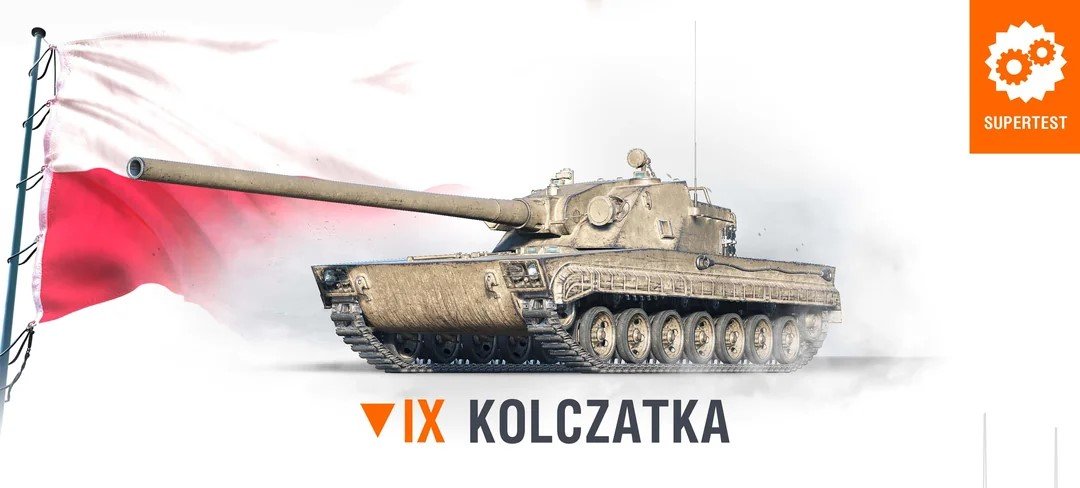
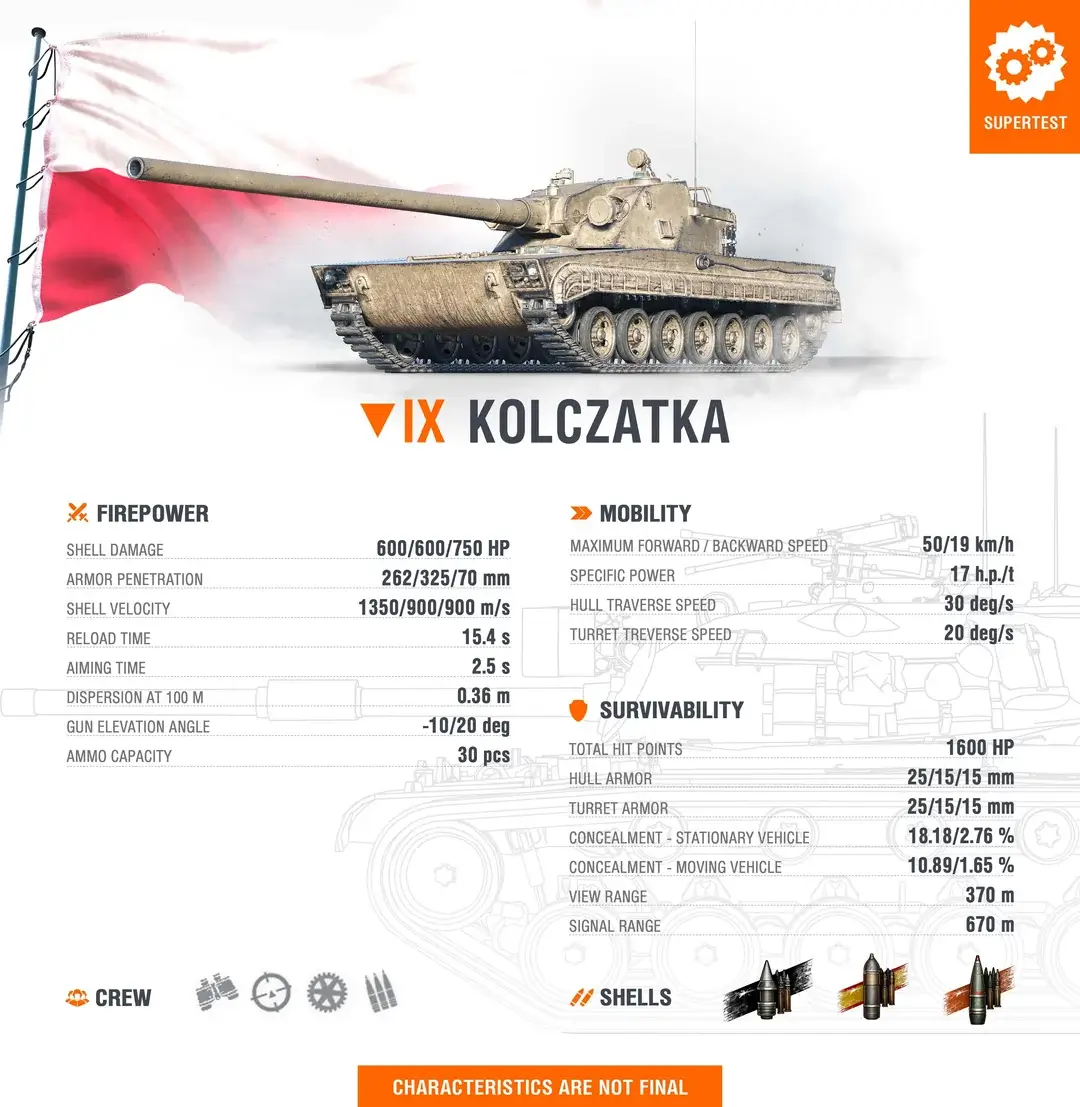
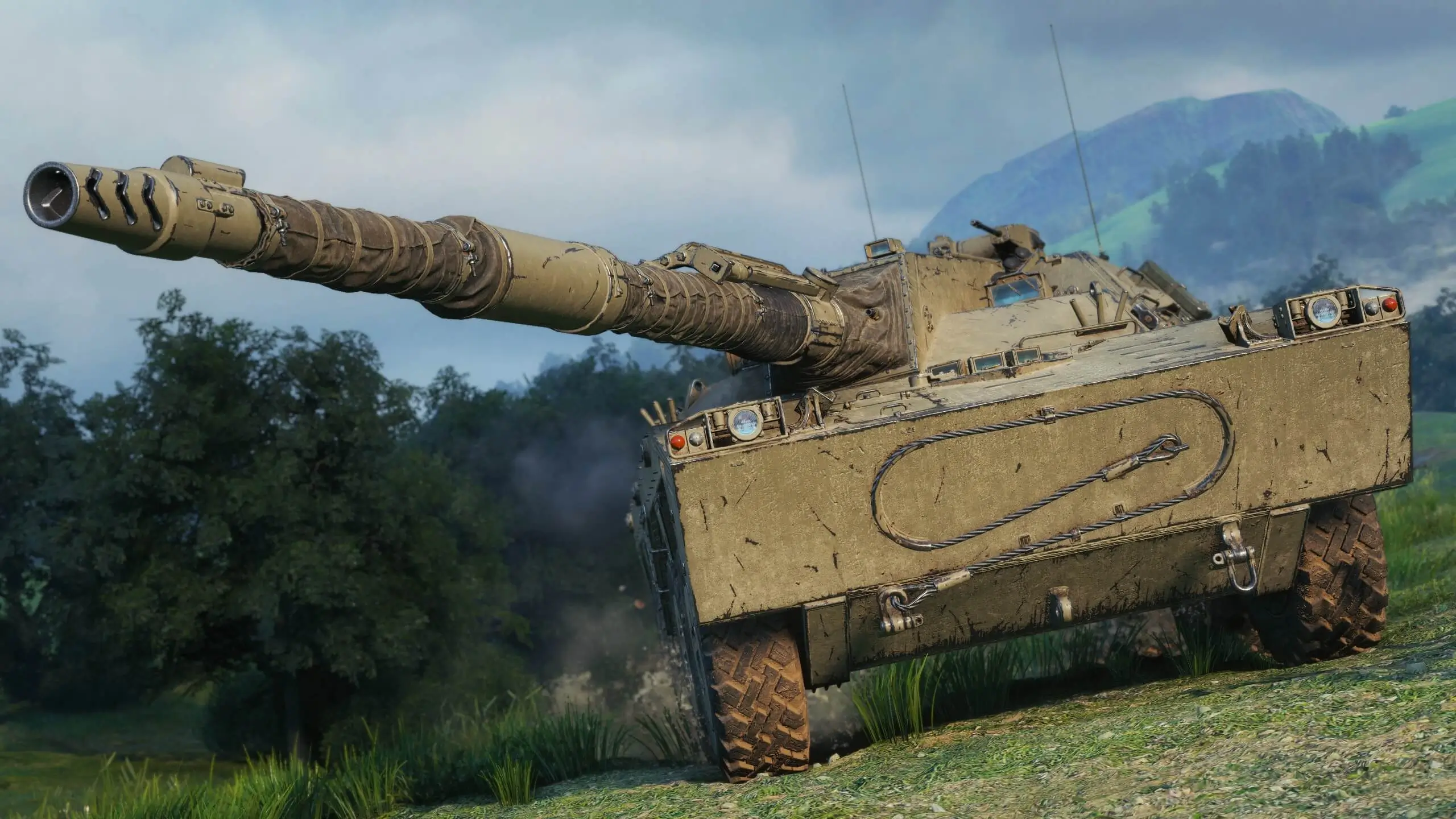
A new predator is emerging from the Polish tech tree: the Kolczatka, a Tier IX tank destroyer that defies the traditional “box on tracks” stereotype. Named after the spiny echidna, this vehicle is designed to be as prickly as its namesake. Entering the Supertest as a hybrid between a sniper tank destroyer and a highly mobile medium tank, the Kolczatka aims to offer a level of flexibility rarely seen in high-tier TDs.
High-Impact Firepower: 600 HP Alpha Damage
The Kolczatka packs a punch that demands respect at Tier IX:
600 HP Alpha Damage: This puts it comfortably ahead of most medium tanks and in direct competition with heavy hitters. A single successful shot can strip away a third of a same-tier opponent’s health.
15.4-Second Reload: While the reload is deliberate, it is the price paid for such high alpha damage on a platform this mobile. It forces a “hit and fade” rhythm that rewards careful timing.
Devastating Trades: In a support role, the Kolczatka can wait for an enemy to fire at a teammate before peeking out to deliver a 600-damage retaliation, winning almost any trade encounter.
Full Turret Flexibility: -10° Gun Depression
What truly distinguishes the Kolczatka from its peers is its mechanical versatility:
Fully Rotating Turret: Unlike many tank destroyers that are limited by narrow gun arcs, the Kolczatka enjoys a full 360-degree turret. This allows it to hold corners, sidescrape, and react to flankers without traversing its entire hull.
-10° Gun Depression: This is the “gold standard” for ridge-line fighting. The ability to work terrain effectively means the Kolczatka can hide its hull and only expose its turret, making it a nightmare to dig out of hull-down positions.
Support Capability: The combination of a turret and excellent depression allows it to fight alongside mediums on uneven terrain, rather than being relegated to the back of the map.
Mobile Support: 50 km/h Top Speed
Mobility is the third pillar of the Kolczatka’s design:
50 km/h Forward Speed: This allows the Kolczatka to keep pace with medium tank wolfpacks. It can reach key aggressive positions early in the match or relocate across the map if a flank collapses.
19 km/h Reverse Speed: A strong reverse speed is vital for a “paper” TD, allowing it to fire and quickly pull back behind hard cover or over a ridge before the enemy can return fire.
Aggressive Repositioning: Because it isn’t slow, the Kolczatka can afford to play aggressively, knowing it has the speed to retreat if the situation turns sour.
Versatile Positioning Philosophy
The Kolczatka is built for the “fluid” battlefield:
Beyond the Redline: While it can snipe, its design encourages “flexible positioning.” It can transition from a long-range overwatch role to a frontline support role as the match dictates.
The Second-Line Specialist: It excels when positioned just behind the heavy tanks, using its turret and alpha to punish enemies who focus on the frontline brawlers.
Dynamic Response: The Kolczatka rewards players who read the map. It is a tank destroyer that can actually influence the game by moving to where the fire is needed most.
Tactical Considerations
To master the Kolczatka, commanders must manage its unique profile:
Armor Awareness: Community reports suggest the armor is quite thin (described by some as “printer paper”). You cannot rely on bounces; your defense is your speed, your gun depression, and your ability to not be hit.
Reload Management: 15.4 seconds is a long time to be vulnerable. Always have a retreat path planned or a friendly tank nearby to cover you while you reload.
Hull-Down is Key: Use that -10° depression. Even if the turret isn’t “invincible,” a smaller target is always harder to hit than a full hull.
Playstyle Implications
The Kolczatka rewards a “Medium-TD Hybrid” playstyle:
The Ridge Hunter: Use your depression to peek over hills, drop a 600-damage bomb, and disappear before the enemy can aim.
The Late-Game Cleaner: In the closing stages of a match, your mobility and alpha allow you to hunt down wounded tanks and trade your HP to secure kills.
Support, Don’t Lead: While it can fight alongside allies, the lack of heavy armor means you should never be the first tank around a corner. Let the heavies take the hit, then use your turret to deliver the punishment.
Community Reception
Initial feedback from the Supertest has been a mix of curiosity and deja-vu:
The “Zmije” Comparison: Many players noted that the model looks identical to the previously tested Czech “Zmije” TD, leading to questions about whether this is a repurposed design or a new branch concept.
Paper Armor Concerns: The community is wary of “glass cannon” vehicles at Tier IX, where high-alpha HE shells and high-tier scouts can make life difficult for unarmored TDs.
Alpha Excitement: Despite the armor concerns, the prospect of a 600-alpha gun on a mobile, turreted platform with -10° depression has many players excited for a new high-skill-ceiling vehicle.
What Sets the Kolczatka Apart
The Kolczatka occupies a rare niche at Tier IX:
The Turreted Advantage: Most Tier IX TDs with big guns are either casemates (like the 704) or have limited turrets (like the T30). A fully rotating turret on a 50 km/h platform is a rare combination.
Polish Versatility: It brings the Polish philosophy of “heavy hits and good depression” to the tank destroyer class, offering a gameplay loop that feels distinct from the German or Soviet TD lines.
What’s Next?
As a Supertest vehicle, the Kolczatka’s stats are far from final. Testing will likely focus on:
Does the 15.4s reload balance out the 600 alpha on such a mobile platform?
Is the armor too weak for the current Tier IX/X meta?
Will this lead to a new Polish TD sub-branch or remain a standalone reward/premium vehicle?
Final Thoughts
The Kolczatka represents an interesting shift toward more active tank destroyer gameplay. By sacrificing raw armor for mobility, a full turret, and excellent gun depression, it offers a “high-risk, high-reward” experience. It isn’t a tank for those who want to sit in a bush all game; it’s a tank for those who want to be in the thick of the action, delivering massive blows and then vanishing before the enemy can react. If Wargaming keeps these flexible traits intact, the Kolczatka could become a favorite for veteran players who value versatility over raw protection.
Characteristics Are Not Final — all information sourced from World of Tanks Supertest announcements.
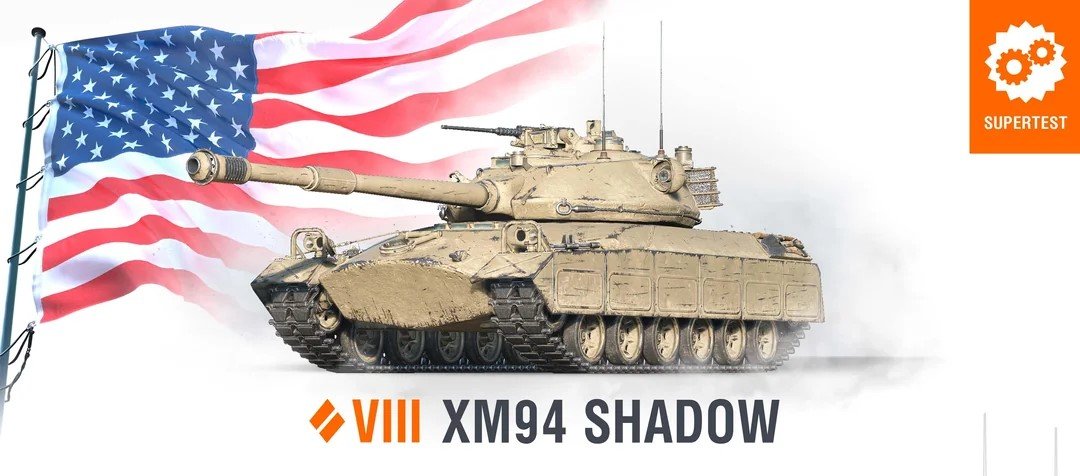
The World of Tanks Supertest has recently introduced a new contender to the American tech tree: the XM94 Shadow, a Tier VIII versatile medium tank. Designed to bridge the gap between heavy-hitting support vehicles and nimble flankers, the Shadow is built around a philosophy of adaptability.
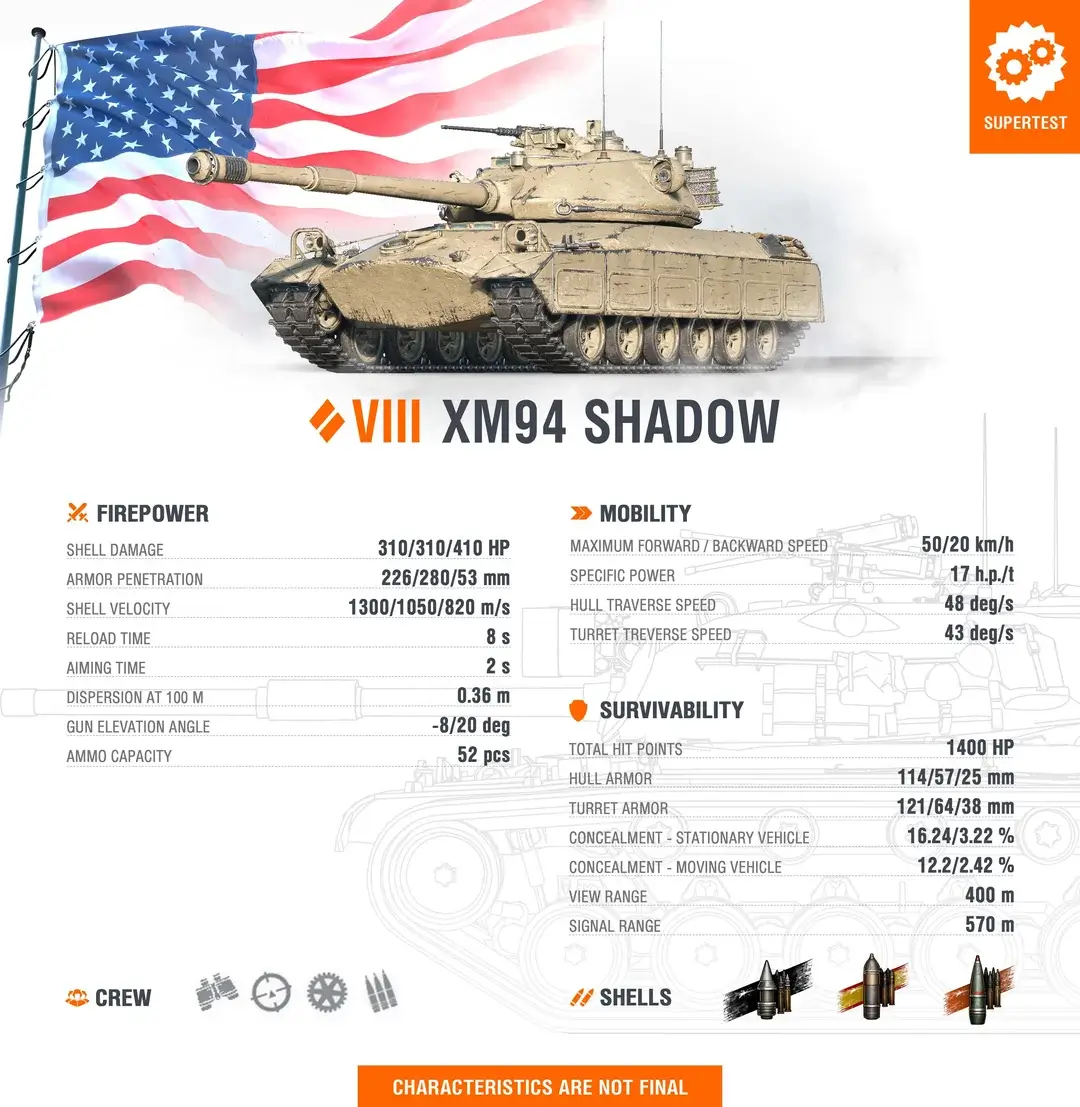
Versatile Gun: 310 HP Alpha Damage
The heart of the XM94 Shadow is its reliable and punchy armament:
310 HP Alpha Damage: In a tier where 240 or 280 alpha was once the standard, the Shadow steps up with a healthy 310 damage per shot. This allows it to trade more effectively against lower-tier opponents and hold its own in medium-to-medium brawls.
8-Second Reload: With a base reload of roughly 8 seconds, the Shadow maintains a competitive DPM that keeps it relevant in sustained firefights.
Good Handling Parameters: The “Shadow” moniker likely refers to its ability to snap shots and disappear; its gun handling is described as smooth, making it effective at both mid-range sniping and active maneuvering.
Pressure Management: The combination of alpha and handling ensures that the XM94 can punish mistakes quickly, forcing enemies to respect its line of sight.
Top Speed 50 km/h Mobility
True to its classification as a versatile medium, the XM94 Shadow doesn’t sacrifice speed for its firepower:
Top Forward Speed of 50 km/h: While not a “speed demon” compared to light tanks, 50 km/h is more than enough to reach key positions early or rotate to a collapsing flank.
Exceptional View Range: With a base view range of 400 meters, the Shadow is a spotting powerhouse at Tier VIII. It can often out-spot its peers, allowing it to dictate the terms of engagement before the enemy even knows it’s there.
Positional Flex: The mobility allows it to easily transition from a supporting sniper to an aggressive flanker as the battle evolves.
All-Around Tactical Presence
The XM94 Shadow is designed to be a “fluid” vehicle on the battlefield:
Tactical Niche Mastery: It fits comfortably into multiple roles—whether holding a ridge line using its turret or performing surprise flanking maneuvers to catch heavy tanks off guard.
Environmental Excellence: Wargaming suggests this vehicle “can excel in any environment,” implying a well-rounded kit that doesn’t suffer from the crippling specialized weaknesses found in more extreme tank designs.
No Adversary Unharmed: The goal of the Shadow is consistent performance. It has the view range to see, the mobility to move, and the gun to hurt anything it encounters.
Tactical Considerations
When piloting the XM94 Shadow, commanders should keep several factors in mind:
Leverage the View Range: With 400m base view range, optics can push this vehicle into scout-tier territory. Use your vision to get the first shot off.
Flank with Purpose: Don’t just sit in the back. The 50 km/h top speed is meant for relocating. If a flank is stalling, the Shadow is the perfect tool to reset the momentum.
Trading Discipline: While 310 alpha is good, it isn’t “big” compared to Tier VIII heavies or TDs. Use your reload time to fire twice for every one shot you take from higher-alpha enemies.
Playstyle Implications
The XM94 Shadow rewards proactive gameplay rather than static camping:
The Aggressive Spotter: In matches with few light tanks, the Shadow can effectively lead a push by spotting targets for its team while having the HP and armor to survive a return shot.
The Opportunist: Success in the Shadow comes from identifying gaps in the enemy line and exploiting them. Its versatility means you are rarely “stuck” in a bad situation—you almost always have the tools to escape or adapt.
Community Reception
Initial reactions from the community have been a mix of excitement and “power creep” concerns:
“Cries in T25 Pilot”: Long-time players have pointed out that the XM94 Shadow seems to overshadow (pun intended) older American mediums like the T25 Pilot 1 or the T44, which struggle with lower alpha and worse handling.
Power Creep Fatigue: There is a general sentiment that Tier VIII is becoming increasingly crowded with “super-mediums” that make older premiums feel obsolete.
The “Shadow” Hype: Despite the balance concerns, players are eager to see how the 310 alpha feels in practice, as it sits in a very comfortable “sweet spot” for medium tank gameplay.
What Sets the XM94 Shadow Apart
In a sea of American premiums, the Shadow stands out through balance:
Better Vision than Most: A 400m view range at Tier VIII is a significant advantage that many other versatile mediums lack.
The 310 Alpha Niche: It hits harder than the 240-alpha “needle” guns but fires faster than the 360/390-alpha “heavy-mediums.”
True Versatility: Unlike the TL-1 LPC which focuses on a specific brawling/DPM mix, the Shadow feels more like a modernized, high-performance evolution of the classic Pershing/Patton playstyle.
What’s Next?
As a Supertest vehicle, the XM94 Shadow is currently being balanced. Key questions remain:
Will the armor hold up against Tier IX and X opponents?
Will the 310 alpha be adjusted if the DPM proves too oppressive?
How will it be distributed? (Premium Shop, Marathon, or Loot Boxes?)
Final Thoughts
The XM94 Shadow represents the modern era of World of Tanks medium design. It moves away from “one-trick pony” vehicles and returns to the roots of what makes a medium tank fun: the ability to do everything reasonably well. While it may contribute to the ongoing discussion about power creep at Tier VIII, there is no denying that its stats make it an attractive prospect for any commander looking for a reliable, high-performance credit earner.
Characteristics Are Not Final — all information sourced from World of Tanks Supertest announcements.
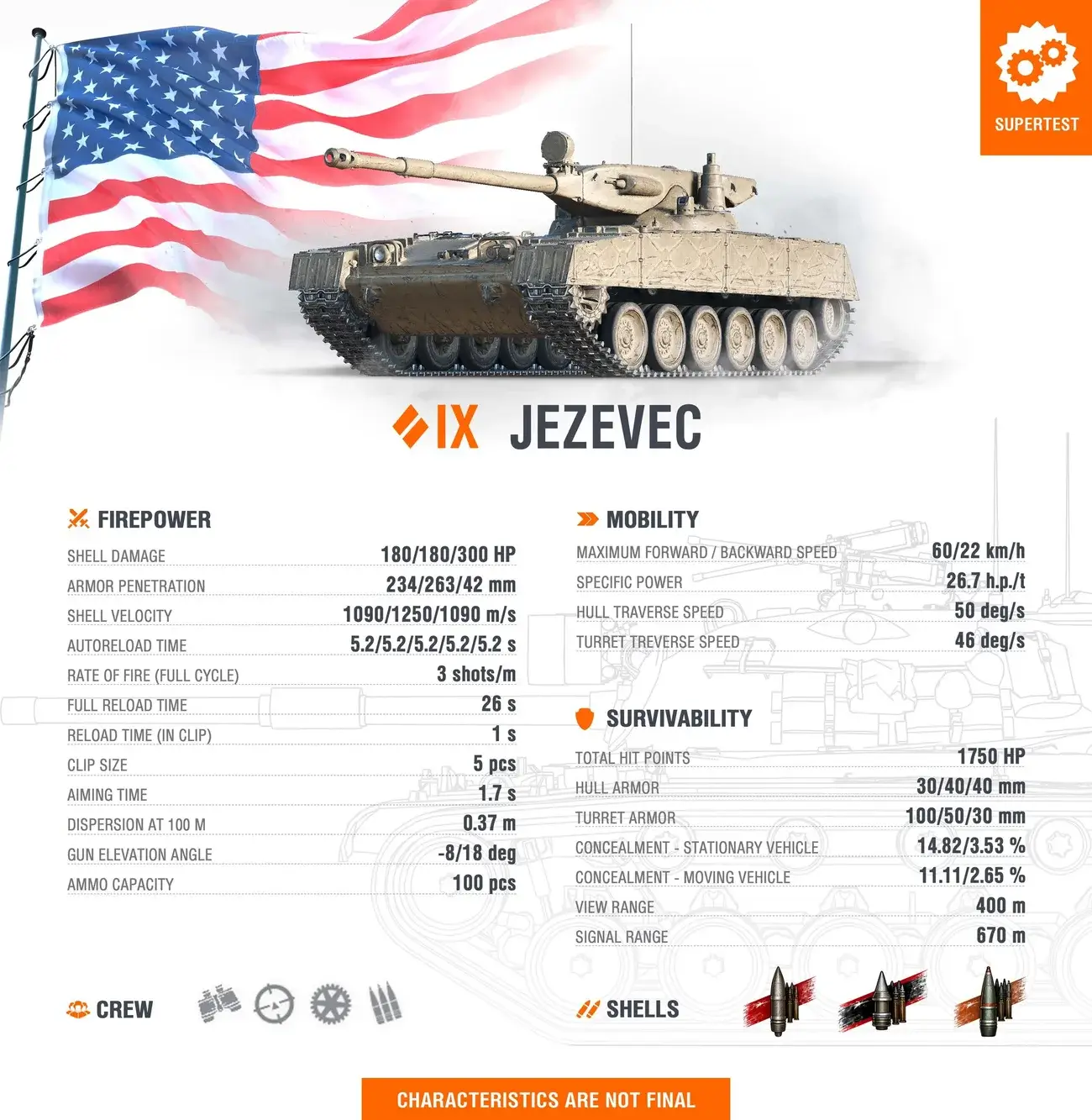
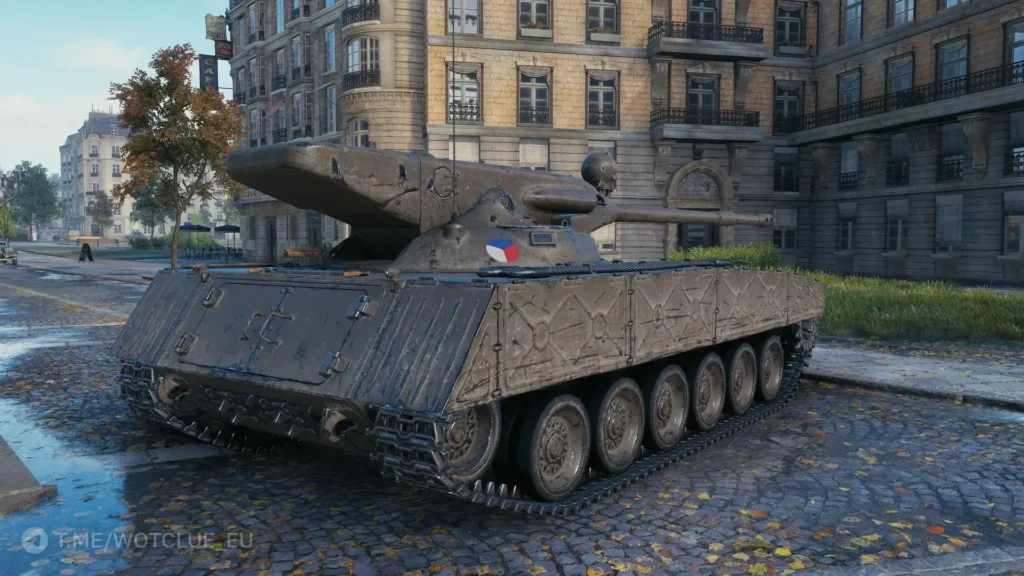
The World of Tanks Supertest has welcomed an unusual addition to the American medium tank lineup: the Jezevec, a Tier IX support medium tank equipped with a revolutionary autoreloading system. For players who appreciate high rate-of-fire gameplay but want something fundamentally different from traditional autoloaders or standard guns, the Jezevec offers a compelling package built around low per-shot alpha, rapid magazine deployment, flexible fire control, and exceptional mobility that enables aggressive positioning.
180 HP Alpha Damage: Volume Over Impact
The Jezevec features uniquely low alpha damage for Tier IX:
180 HP Per Shot: The alpha damage is exceptionally low for Tier IX medium tanks—less than half the standard 390-440 HP common to the tier. This characteristic fundamentally defines the Jezevec’s identity and creates gameplay unlike conventional mediums.
Small Caliber Philosophy: The explicitly mentioned “small caliber” gun prioritizes rate of fire and magazine capacity over per-shot devastation. Individual shells carry minimal impact but accumulate rapidly when deployed in sequence.
Volume Fire Approach: The low alpha compensates through sheer volume—the Jezevec delivers damage through multiple rapid hits rather than fewer devastating shots, creating DPM-focused gameplay.
Reduced Trading Capability: The 180 HP alpha creates unfavorable 1-for-1 trades against most opponents. Enemies with 390-440 HP guns gain more than twice the HP advantage in direct exchanges.
Tracking and Module Damage: The rapid-fire capability enables consistent tracking shots and module damage even with low alpha, keeping opponents immobilized or degraded through sustained fire rather than single devastating hits.
Five-Shell Magazine: Rapid Burst Potential
The Jezevec’s magazine system creates unique engagement patterns:
Five-Shell Magazine Capacity: The magazine holds five shells, providing 900 HP total burst damage when fully deployed. While lower than traditional autoloaders, the rapid deployment creates meaningful burst capability.
Short Delay Between Shots: The intra-clip reload is extremely brief, enabling the Jezevec to empty the entire magazine in rapid succession. The five-shell burst can be delivered in seconds, overwhelming opponents who expect conventional fire rates.
Significant Damage in Short Time: Despite low per-shot alpha, the combination of five shells and minimal intra-clip delay enables the Jezevec to “cause significant damage in a short time” through sustained burst fire.
900 HP Burst Potential: When deploying the full magazine, the Jezevec delivers 900 HP of damage—sufficient to severely punish isolated opponents or finish wounded enemies before they retreat.
Flexible Magazine Use: Unlike traditional autoloaders that suffer penalties for partial clip usage, the Jezevec’s unique autoreloading system enables firing any number of shells without subsequent disadvantage.
Equal Reload Autoreloader: Revolutionary Mechanic
The Jezevec’s defining characteristic is its unprecedented reload system:
5.2 Second Equal Reload: Each shell in the magazine reloads in exactly 5.2 seconds—the first shell, the second shell, and all subsequent shells share identical reload times. This equal-reload system is revolutionary and creates gameplay unlike any existing autoreloader.
No Traditional Magazine Penalty: The Jezevec can “fire all shells without any reload penalty”—after emptying the magazine, the gun immediately begins operating like a standard cyclic weapon with 5.2-second reloads rather than suffering extended magazine reload time.
Seamless Transition: After magazine depletion, the Jezevec “continues operating like a standard cyclic weapon,” meaning there’s no forced downtime or extended vulnerability window. The vehicle maintains combat effectiveness continuously.
Ultimate Flexibility: Commanders can choose to deploy the full five-shell burst for maximum damage, fire individual shells as needed for consistent DPM, or any combination—without penalty or forced commitment.
Unique Tactical Options: The equal-reload system creates tactical flexibility unavailable to traditional autoloaders. Fire one shell to finish a wounded enemy, deploy three shells for medium burst, or commit all five when opportunities arise—without strategic disadvantage.
Excellent Mobility: Aggressive Positioning
The Jezevec brings exceptional mobility to support its rapid-fire role:
60 km/h Maximum Speed: The top speed of 60 km/h is excellent for Tier IX medium tanks, enabling the Jezevec to reach forward positions early, respond to battlefield developments rapidly, and execute aggressive flanking maneuvers.
Strong Power-to-Weight Ratio: The explicitly mentioned “strong power-to-weight ratio” suggests responsive acceleration and cross-country performance that supports dynamic, mobile gameplay rather than static positioning.
Quick Position Reaching: The mobility enables the Jezevec to “quickly reach key positions,” securing advantageous locations before slower opponents arrive and establishing control over critical map areas.
Engage Enemies Effectively: The combination of speed and power-to-weight creates a vehicle that can “engage enemies effectively” through superior positioning rather than armor or raw firepower.
Flanking Excellence: The 60 km/h speed combined with the rapid-fire gun creates devastating flanking capability—circle opponents while maintaining sustained fire, delivering 900 HP bursts to sides and rear armor.
Support Medium Tank Classification: Team-Oriented Design
The Jezevec’s design philosophy emphasizes team support:
Support Role Identity: The “support medium tank” classification indicates the Jezevec functions best when complementing teammates rather than carrying battles alone. The low alpha and burst-focused damage delivery excel when supporting other engagements.
Finishing Capability: The rapid-fire system excels at finishing wounded opponents that teammates have damaged. Enemies sitting at 200-800 HP can be eliminated in a single Jezevec burst before they retreat.
Tracking Support: The ability to maintain sustained fire enables consistent tracking shots, immobilizing enemies for teammates to exploit while the Jezevec continues delivering damage.
Flexible Fire Contribution: The equal-reload autoreloader enables the Jezevec to contribute consistently throughout battles—deploy bursts when opportunities arise, maintain steady fire during extended engagements, adapt to situations seamlessly.
Team Push Support: During coordinated team advances, the Jezevec’s rapid-fire capability creates suppressive fire and overwhelming damage volume that forces enemies into defensive positions or retreat.
No Reload Penalty: Continuous Combat Presence
The revolutionary mechanic’s greatest advantage is sustained threat:
Always Combat Ready: Unlike traditional autoloaders that alternate between devastating clips and extended vulnerability, the Jezevec maintains consistent threat potential throughout battles. There’s never a “useless reload window” where the vehicle cannot contribute.
No Forced Downtime: Traditional autoloaders force 30-40+ second downtime after clip depletion. The Jezevec transitions seamlessly to 5.2-second cyclic fire, maintaining continuous combat presence and sustained damage output.
Psychological Advantage: Opponents cannot “wait out” the Jezevec’s reload. The vehicle remains threatening constantly, forcing enemies to respect its damage potential throughout engagements rather than timing pushes during extended reloads.
Sustained DPM: The 5.2-second reload after magazine depletion likely creates competitive DPM for Tier IX. The Jezevec maintains damage output through sustained fire rather than relying solely on burst damage.
Risk Reduction: Traditional autoloaders risk being caught mid-reload during critical moments. The Jezevec’s seamless transition eliminates this vulnerability, ensuring the vehicle can always respond to threats with immediate firepower.
Methodical Frontline Pressure
The Jezevec’s design supports aggressive, mobility-focused gameplay:
Forward Positioning Priority: Use the excellent mobility to reach advantageous positions early. The Jezevec thrives at the forefront of advances where its rapid-fire capability creates maximum pressure.
Burst When Opportune: Deploy the full five-shell magazine when enemies expose themselves—crossing open ground, engaging teammates, or presenting vulnerable angles. The 900 HP burst punishes mistakes severely.
Sustained Fire When Needed: After magazine depletion, continue firing at 5.2-second intervals. The seamless transition maintains threat potential without forced retreat or vulnerability windows.
Flanking Aggression: Leverage the 60 km/h speed to execute flanking maneuvers. Circle opponents while maintaining fire, delivering burst damage to sides and rear where the 180 HP per shell penetrates reliably.
Team Coordination: Operate in proximity to teammates who can draw enemy fire and create burst opportunities. The Jezevec excels when supporting other engagements rather than forcing isolated 1v1 confrontations.
Tactical Considerations
The Jezevec’s unique characteristics create specific tactical opportunities:
Magazine Management: Decide when to deploy burst fire versus sustained cyclic fire. Against single targets, sustained fire often proves more effective. Against multiple targets or during brief exposure windows, burst damage shines.
Mobility Exploitation: Use the 60 km/h speed aggressively. Reach positions before enemies, flank exposed opponents, and relocate when spotted—the Jezevec survives through speed, not armor.
Low Alpha Acceptance: Accept that 1-for-1 trades favor opponents. The Jezevec wins through superior positioning, sustained damage over time, and opportunistic burst damage—not direct trading.
Target Prioritization: Focus on wounded opponents within burst-kill range (200-800 HP). The Jezevec excels at cleanup work, eliminating damaged enemies before they escape.
Continuous Presence: Unlike traditional autoloaders, never retreat for extended reloads. The Jezevec maintains combat presence continuously, leveraging the equal-reload system to remain threatening throughout engagements.
Playstyle Implications
The Jezevec rewards commanders who embrace aggressive, DPM-focused gameplay:
Speed Over Armor: Trust mobility for survival. The Jezevec likely features minimal armor, requiring commanders to avoid direct confrontations and leverage speed for positioning advantages.
Volume Over Alpha: Accept the low per-shot damage and focus on delivering maximum shot volume. The Jezevec wins through accumulated damage, not individual devastating shots.
Opportunistic Aggression: Use mobility to create flanking opportunities. The rapid-fire system devastates opponents who expose sides or rear armor during extended engagements.
Patience in Trading: Avoid direct trades against higher-alpha opponents. The Jezevec creates advantages through positioning, timing, and sustained fire—not frontal confrontations.
Commanders looking to master the Jezevec should consider:
Using the 60 km/h mobility to reach early positions and secure map control
Deploying full five-shell bursts when enemies commit to extended engagements
Maintaining sustained cyclic fire after magazine depletion rather than retreating
Flanking aggressively to leverage rapid-fire against vulnerable armor
Targeting wounded opponents within burst-kill range for efficient eliminations
Operating near teammates who can create burst-damage opportunities
Accepting unfavorable trades in favor of superior positioning and DPM
Treating the equal-reload autoreloader as both a burst weapon and sustained-fire gun
Community Reception
Initial community reactions to the Jezevec reveal significant controversy:
Nation Change Criticism: The most immediate and vocal reaction focused on the Jezevec changing from Czech to American designation while keeping the Czech name. Community members expressed frustration: “Why would you ever change Jezevec to an American tank?? And even if you would go about it, why keep the Czech name?”
“Another Tier IX American Premium”: Players expressed fatigue with Tier IX American premium proliferation, questioning whether the nation needs additional premium vehicles when alternatives exist.
Equal-Reload Interest: The unique autoreloading system where all shells reload in 5.2 seconds generated curiosity, with players viewing this mechanic as genuinely innovative compared to traditional autoreloaders.
Low Alpha Skepticism: The 180 HP per-shot damage drew immediate concerns about trading capability and effectiveness against higher-alpha contemporaries. Community discussions questioned whether volume fire compensates for weak individual shots.
Testing Concerns: The Jezevec bypassed full Supertest phases, generating community concerns about balance and readiness. Players noted this trend could lead to problematic vehicles entering the game without adequate testing.
What Sets the Jezevec Apart
The Jezevec occupies a unique position in the Tier IX medium tank landscape:
Equal-Reload Autoreloader: The revolutionary system where all shells reload in exactly 5.2 seconds is unprecedented in World of Tanks, creating gameplay fundamentally different from both traditional autoloaders and conventional guns.
No Magazine Penalty: The ability to fire all shells and immediately continue as a cyclic gun eliminates the extended vulnerability windows that define traditional autoloader gameplay, maintaining consistent threat potential.
Lowest Tier IX Alpha: The 180 HP per-shot damage is exceptionally low for Tier IX, creating a vehicle that wins through volume and positioning rather than per-shot impact—a unique approach for the tier.
Seamless Fire Transition: The Jezevec operates as both an autoloader and a conventional gun without forced mode switching or strategic penalties, enabling unprecedented tactical flexibility.
Czech-American Identity: The retention of the Czech name “Jezevec” (meaning “badger”) despite American classification creates unusual cultural identity that distinguishes the vehicle from pure national designs.
What’s Next?
As a Supertest vehicle, the Jezevec’s characteristics remain subject to adjustment. Key questions for testing include:
What are the detailed armor values, and can the Jezevec survive direct engagements?
What is the exact DPM after magazine depletion with 5.2-second reloads?
Will the equal-reload autoreloader prove balanced or create unfair sustained-fire advantages?
Can the 180 HP alpha compete effectively against 390-440 HP contemporaries?
Will the Czech name be changed to reflect American classification, or will it remain?
What are the penetration values for the small-caliber gun?
Does the excellent mobility compensate for low alpha and likely minimal armor?
Final Thoughts
The Jezevec represents one of the most mechanically innovative vehicles to enter World of Tanks Supertest. By introducing an equal-reload autoreloading system where all shells share identical 5.2-second reload times and the gun transitions seamlessly to cyclic fire after magazine depletion, Wargaming has created a vehicle that defies traditional classification—functioning simultaneously as an autoloader and a conventional gun without the limitations of either.
For commanders who appreciate high rate-of-fire gameplay, enjoy aggressive positioning through superior mobility, and value sustained damage output over devastating alpha strikes, the Jezevec offers unique appeal. The equal-reload system eliminates the frustrating vulnerability windows that plague traditional autoloaders while maintaining burst damage capability, creating a vehicle that remains consistently threatening throughout battles.
However, the Jezevec demands significant adaptation. The 180 HP alpha creates severely unfavorable trading scenarios against virtually all Tier IX opponents. Direct confrontations favor enemies by 2:1 or greater HP ratios, requiring the Jezevec to win through positioning, flanking, and sustained fire rather than frontal engagements. If armor values prove minimal—as expected for a support medium—the vehicle will punish positioning mistakes severely.
The nation change from Czech to American while retaining the Czech name has generated community controversy that overshadows discussion of the innovative mechanics. This decision raises questions about design philosophy and national identity within the game that extend beyond the Jezevec’s individual characteristics.
Whether you’re excited about a revolutionary equal-reload autoreloader or skeptical about whether 180 HP alpha can compete at Tier IX, the Jezevec undeniably offers something mechanically distinctive. If Wargaming successfully balances the reload system, mobility advantages, and alpha limitations, the Jezevec could become a favorite for players who enjoy DPM-focused, positioning-intensive gameplay with unprecedented tactical flexibility.
For those who have wanted a medium tank that maintains consistent combat effectiveness without traditional autoloader downtime, accepting low alpha damage as the price, the Jezevec might be exactly what you’ve been waiting for.or.
Characteristics Are Not Final — all information sourced from World of Tanks Supertest announcements.
Arguably the best medium tank sniper at tier 10, the Concept B is getting a successor, which might bring joy to many enjoyers of this vehicle. With its new ability, it might address the only weakness of the tier 10, its clunkiness and mobility, which hampers it from quickly retreating.
The Pinnacle of the British Wheeled Line
The fast and nimble Executor is the pinnacle of the British wheeled medium tank line. If you’ve been threading through maps on wheeled vehicles and loving every second of it, the Executor is the natural destination — the ultimate expression of what this playstyle can become. Everything the line has been building toward has been refined and pushed to its absolute ceiling.
The High-Pressure Turbocharger Assist: Speed on Demand
The mechanic that defines the Executor is deceptively simple — and devastatingly effective. Its High-Pressure Turbocharger Assist ability boosts its engine power, acceleration, and speed for a few seconds — to catch up with its target, to escape a dangerous area quickly, or to jump out of an enemy’s crosshairs.
And when it activates, you get flaming exhaust pipes to go with it. Style points fully intact.
Think about what this means in practice. Every wheeled medium player knows the nightmare scenario: you’ve committed to a flank, the situation turned, and now you need to get out — fast. On a normal vehicle, you either make it or you don’t. On the Executor, you pop the turbocharger and you’re simply gone. No debate. Meanwhile, on the offensive side, a target that thinks it has enough distance to be safe suddenly finds the Executor right on top of it, with nowhere to run.
What Kind of Playstyle Should You Expect?
The Executor’s signature ability slots naturally into the wheeled medium identity and supercharges the most impactful moments of that playstyle.
The escape artist. Every wheeled medium has some capacity to disengage, but the Executor turns it into a near-guarantee. Pushed by a heavy? Turbocharger. Caught in the open by artillery? Turbocharger. Got spotted in the wrong place at the wrong time? You already know. The ability to reliably escape bad situations means Executor players can take calculated risks that no other vehicle can afford.
The aggressive spotter. Active scouting at Tier XI is dangerous business. You’re pushing into unknown territory, often alone, often deep in enemy territory. The turbocharger means you can extend further than any other vehicle, knowing you have a burst of speed in reserve if something goes wrong. That confidence changes how aggressively you can play the spotting game.
The flanker that can’t be caught. On offense, the turbocharger closes distance on retreating targets and opens distance from pursuing ones. For hunting down damaged enemies or running down light tanks that think they’ve gotten away — the Executor is merciless.
Unlocking the Executor
If you’ve been grinding the British wheeled line, you’re already most of the way there. Accumulate 325,000 XP on the required Tier X predecessor and you’ll be ready to unlock the Executor the moment Update 2.2.1 drops. Given how active wheeled mediums tend to be in the current meta, that XP should come naturally if you’re playing to the line’s strengths.
Final Thoughts
The Executor isn’t trying to reinvent what a wheeled medium is — it’s perfecting it. The High-Pressure Turbocharger Assist doesn’t add a new mechanic you have to learn from scratch; it takes the most critical moments of wheeled gameplay — the chase, the escape, the commitment — and makes them decisive. If you love speed, map control, and the thrill of playing at the very edge of your vehicle’s limits, the Executor was built for you.
No stats confirmed yet, but the concept is pure and focused. Get that Tier X XP banked and be ready.
Once one of the most broken lines in World of Tanks, it is getting a tier 11. We are talking about the M4 54, French heavy, which is always either too weak or too strong. It is going to be interesting to see how Fauteur will stack against the existing tier 11 heavies, and the competition is fierce.
The Rightful Heir to the AMX M4 mle. 54
The Fauteur is the rightful heir to the AMX M4 mle. 54, one of the most respected French heavies in the game. If you’ve been playing the M4 54 and loving its combination of strong armor and a punishing gun, the Fauteur is exactly where that journey leads. It inherits the well-armored, top-tier brawler identity of its predecessor — and then adds something nobody has seen before at this tier.
The Induction Propellant Afterburner: Science Meets Carnage
This is the mechanic that makes the Fauteur genuinely exciting. The Fauteur features an Induction Propellant Afterburner that automatically accumulates electrical charge over time, which is partially consumed to boost damage when firing. The charge has a limit that can be manually disabled for even more damage, at the cost of worsened gun handling.
Let that sink in. Your gun is constantly charging between shots. Every second you spend positioning, angling, waiting for the right moment — the Fauteur is building energy. When the moment comes and you pull the trigger, you’re not firing a standard shell. You’re firing an electrically supercharged round that hits harder than anything the AMX M4 mle. 54 could dream of.
And if patience runs out? You can manually override the charge limit and dump everything into a single devastating shot — at the price of your gun handling taking a hit. High risk, higher reward. Very French.
What Kind of Playstyle Should You Expect?
The Induction Propellant Afterburner naturally rewards a particular style of play, and it’s one that suits a well-armored heavy perfectly.
Patience pays off. Unlike the Gorilla, which rewards aggression and staying in the fight, the Fauteur rewards commanders who know when not to fire. Every second you wait behind cover, angling your hull, or waiting for the right trade — your gun is getting more dangerous. Trigger discipline isn’t just good play here, it’s a core mechanic.
The manual override is a big skill check. The ability to disable the charge cap and squeeze out maximum damage at the cost of gun handling is where good Fauteur players will separate themselves. Knowing when to pop that override — for a critical peek on a key target, to finish a low-health enemy, or to punish a badly positioned opponent — will define who gets the most out of this tank.
Armor makes it all possible. None of the above works if you’re constantly getting penned and forced to react. The Fauteur’s strong armor is what gives you the luxury of waiting, of choosing your moment, of letting that charge build. Expect a hull-down or angling-focused playstyle where the goal is to always fire on your terms, not the enemy’s.
Unlocking the Fauteur
If you’re already sitting on a fully researched AMX M4 mle. 54, you’re in great shape. You can prepare in advance by accumulating 325,000 XP on the required Tier X vehicle — the AMX M4 mle. 54 — so you’re ready to unlock the Fauteur the moment Update 2.2.1 goes live.
Final Thoughts
The Fauteur is shaping up to be one of the most conceptually interesting heavies in the Tier XI roster. It’s not about raw speed, clip potential, or gimmick burst damage — it’s about discipline, positioning, and timing. A tank that rewards you for thinking before you shoot is a rare thing at top tier, and that alone makes the Fauteur worth watching very closely.
No final stats yet, but the concept is rock solid. Start banking that AMX M4 mle. 54 XP now.